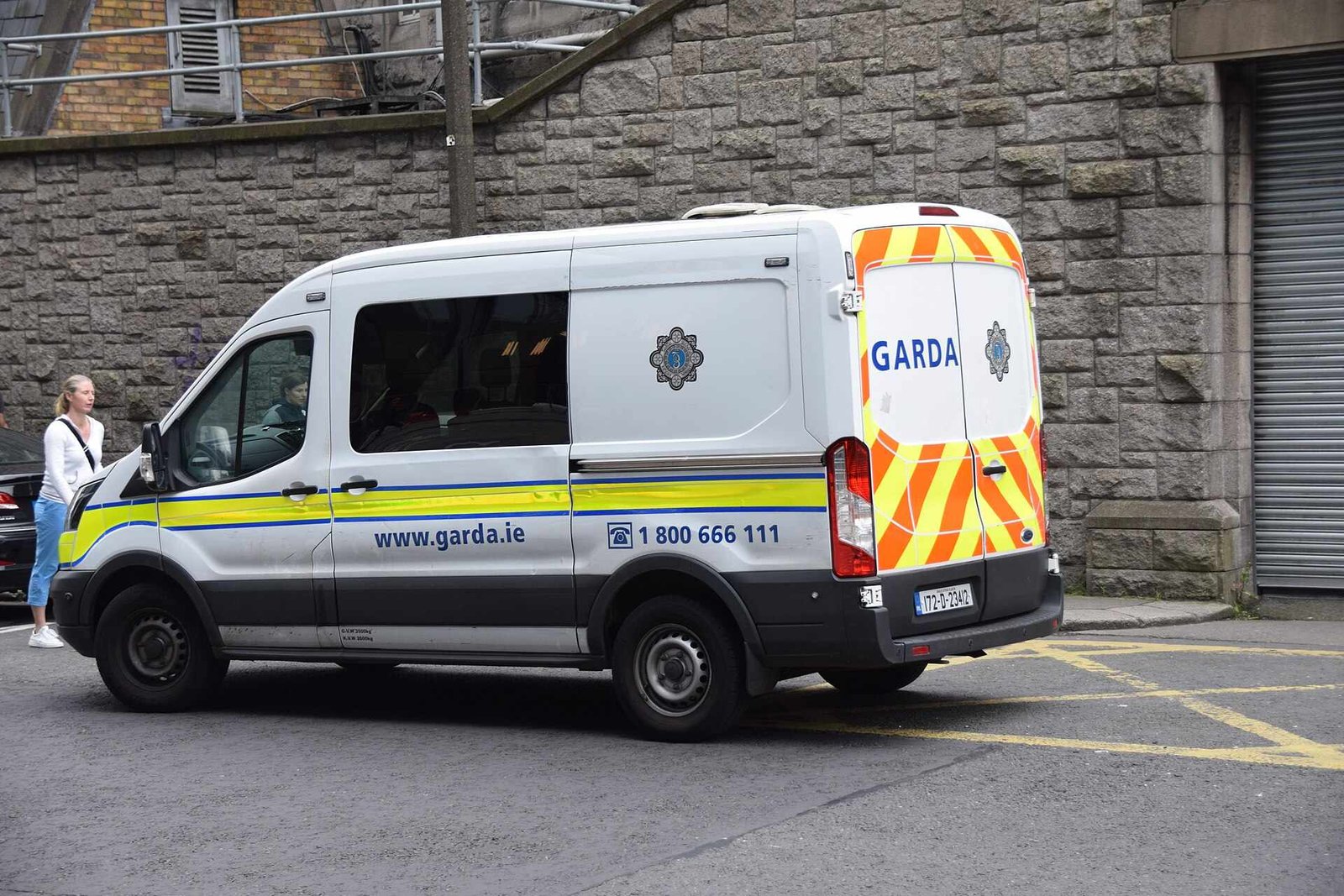

Irish police have intercepted an “extremely significant” car bomb near the Northern Ireland border during an operation targeting dissident republicans, resulting in the arrest of two suspects.
Members of the Garda Síochána‘s special detective unit stopped a vehicle travelling on the N2 road south of Carrickmacross, County Monaghan, on Wednesday afternoon. A military bomb disposal team was called to examine the explosive device found inside the car.
A woman driver in her 20s was arrested at the scene and remained in custody on Friday. A man in his 40s was later detained and continues to be held. Both were arrested on suspicion of offences against the state.
“What we found was an extremely significant seizure,” Garda Commissioner Justin Kelly stated. “This was an explosive device.”
While the intended destination of the vehicle remains unclear, the incident follows two car bomb episodes in Northern Ireland this year that authorities have attributed to dissident republicans. One device exploded outside a police station on the outskirts of Belfast in April, causing no injuries, while an earlier attempted bombing was thwarted when officers carried out a controlled explosion.
The seizures are a reminder of the decades of sectarian violence known as “The Troubles,” a conflict involving Irish republican and British loyalist militants and U.K. security forces that left almost 3,600 people dead before the 1998 Good Friday peace accord brought a formal end to the hostilities.
Officials describe the ongoing threat as coming from a small minority who rejected the peace agreement. “There are a small minority of dissident republicans who did not agree with the Good Friday Agreement, they did not put weapons and explosives out of use,” Kelly noted. “I would describe them as radicalized republicans, and this is a threat that we’re going to continue to face for some time.”
The interception underscores the persistence of security challenges along the border more than two decades after the peace deal, even as broader political relations between Ireland and the United Kingdom have stabilized.
The investigation remains active, and both detainees continue to be questioned as detectives work to establish the origin of the device and its intended target.