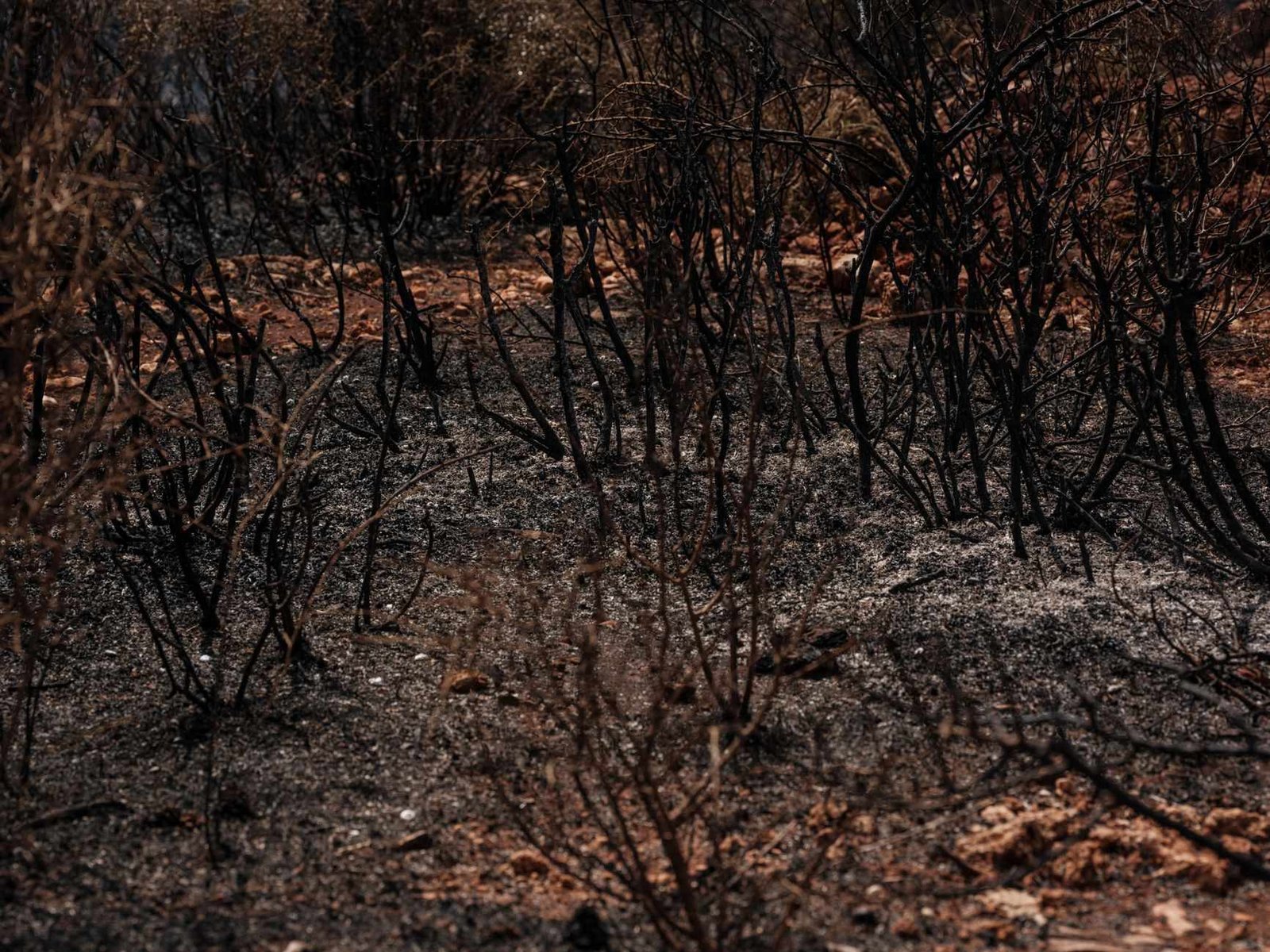

A wave of arson attacks struck several Palestinian communities across the occupied West Bank this week, with settlers setting fire to mosques, vehicles and agricultural land in what residents describe as retaliatory violence following a deadly confrontation days earlier.
Palestinian residents reported that groups of settlers entered villages after dark, igniting olive groves, torching parked cars and damaging places of worship. The attacks spanned multiple locations, leaving charred farmland and gutted vehicles in their wake and prompting fresh alarm among communities already braced for further unrest.
The violence marks a sharp escalation in the aftermath of a clash near the village of Tell, where four Palestinians and two Israelis were killed. That confrontation, which unfolded earlier in the week, has become a flashpoint for retaliatory attacks across the territory.
The latest incidents follow a pattern of rising settler violence that has intensified across the West Bank in recent months, with similar unrest reported in the aftermath of an earlier shooting near Nablus that left several people dead. Damage to mosques and farmland has drawn particular concern given the central role such sites play in daily community life.
Rights groups have long warned that perpetrators of such attacks rarely face legal consequences. “There is no accountability for settler war crimes against Palestinians,” campaigners said, pointing to what they describe as a persistent gap between reported incidents and prosecutions.
Agricultural land holds significant economic and cultural value for many Palestinian families, and the burning of olive groves in particular carries lasting consequences, as mature trees can take years to replace. The destruction of vehicles and community infrastructure compounds the disruption to affected villages.
The West Bank, home to both Palestinian communities and Israeli settlements, has seen a marked rise in friction over the past year. Settlements built on land captured in 1967 are considered illegal under international law, a position rejected by Israel, and the territory remains a persistent source of tension.
Israeli authorities have said they investigate incidents of violence, though critics argue enforcement remains inconsistent. Palestinian officials have called for greater protection for communities facing repeated attacks.
With tensions running high following this week’s fatalities, residents and observers fear further reprisals in the days ahead. Calls for de-escalation have grown as the cycle of violence threatens to draw in additional communities across the territory.