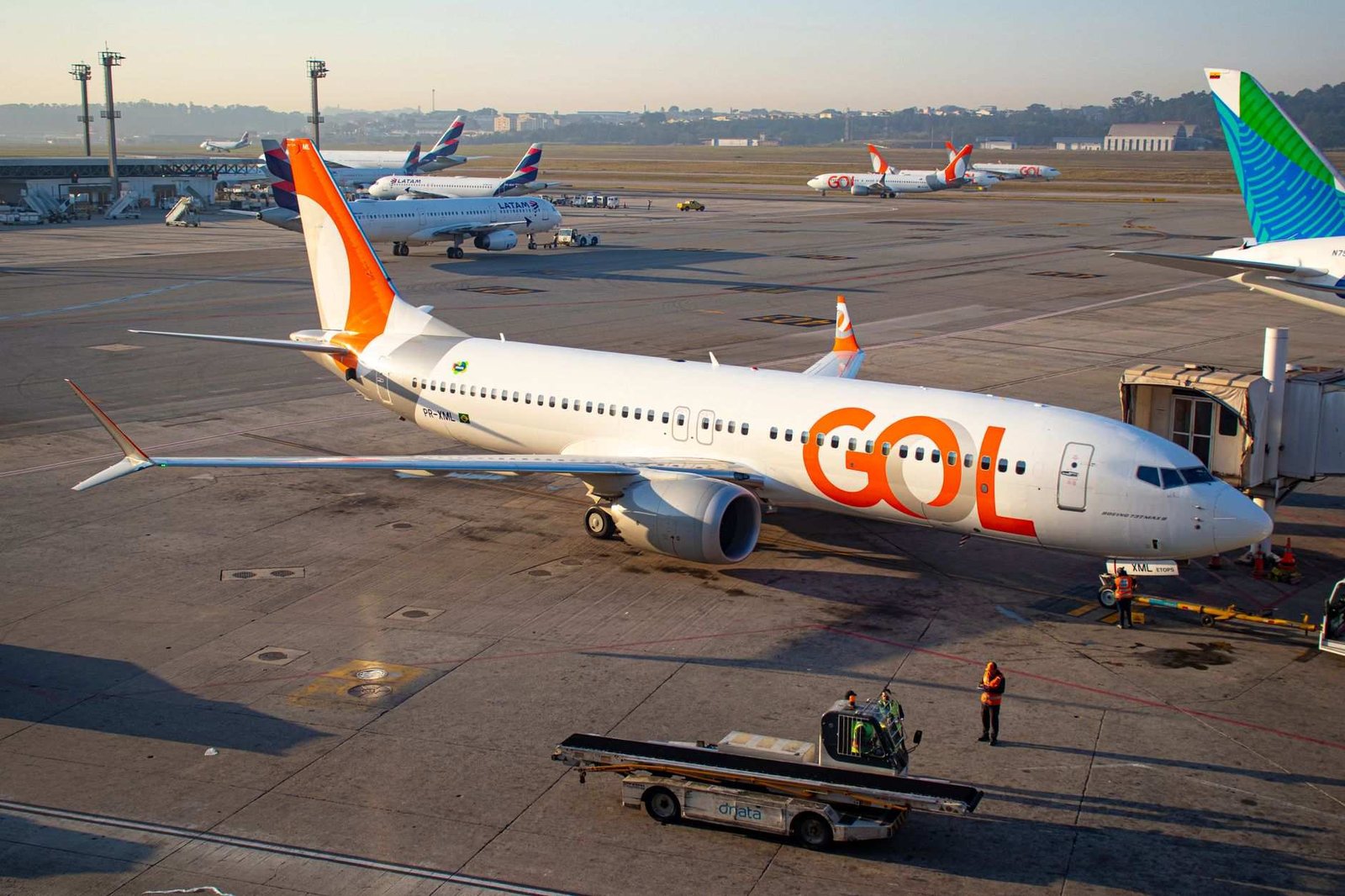

The U.S. Federal Aviation Administration has proposed mandatory inspections of hundreds of Boeing 737 MAX aircraft after determining that seats on the jets were incorrectly installed, raising fresh safety concerns for one of the world’s most widely operated airliners.
The regulator’s proposed directive would apply to 453 U.S.-registered aircraft, requiring operators to examine passenger seating that may not have been fitted according to design specifications. The move underscores continued scrutiny of the manufacturing and assembly processes surrounding the 737 MAX family.
Improperly installed seats can compromise safety during turbulence, hard landings, or emergency situations, when seat structures are designed to remain firmly anchored and absorb impact forces. The FAA’s proposal is intended to verify that affected seats meet certification standards before any risk materialises.
The directive remains in a proposal stage, allowing for a public comment period before it is finalised and enforced. Once adopted, airlines would be required to complete the checks within a set timeframe and correct any deficiencies identified.
The finding adds to a series of quality-control challenges that have shadowed Boeing in recent years. The company has faced intense regulatory oversight following two fatal 737 MAX crashes and subsequent manufacturing lapses, including a mid-flight door panel failure that reignited questions about its production standards.
Boeing’s legal troubles have also mounted, with the manufacturer having agreed to a criminal fraud settlement connected to earlier certification issues. The latest inspection order reflects the sustained regulatory attention the aircraft continues to attract.
The 737 MAX remains a cornerstone of Boeing’s commercial fleet, and the model is operated by carriers across North America, Europe, and Asia. Airlines outside the United States may face similar directives from their own aviation authorities, which frequently align with FAA safety actions.
The proposal is expected to prompt affected operators to schedule inspections during routine maintenance windows to minimise disruption to flight schedules. Boeing has not indicated that the issue poses an immediate flight-safety risk requiring aircraft to be grounded.
The FAA is anticipated to finalise the directive after reviewing industry feedback, with compliance deadlines to follow. The outcome will be closely watched as a measure of Boeing’s progress in addressing longstanding manufacturing and quality-assurance concerns.