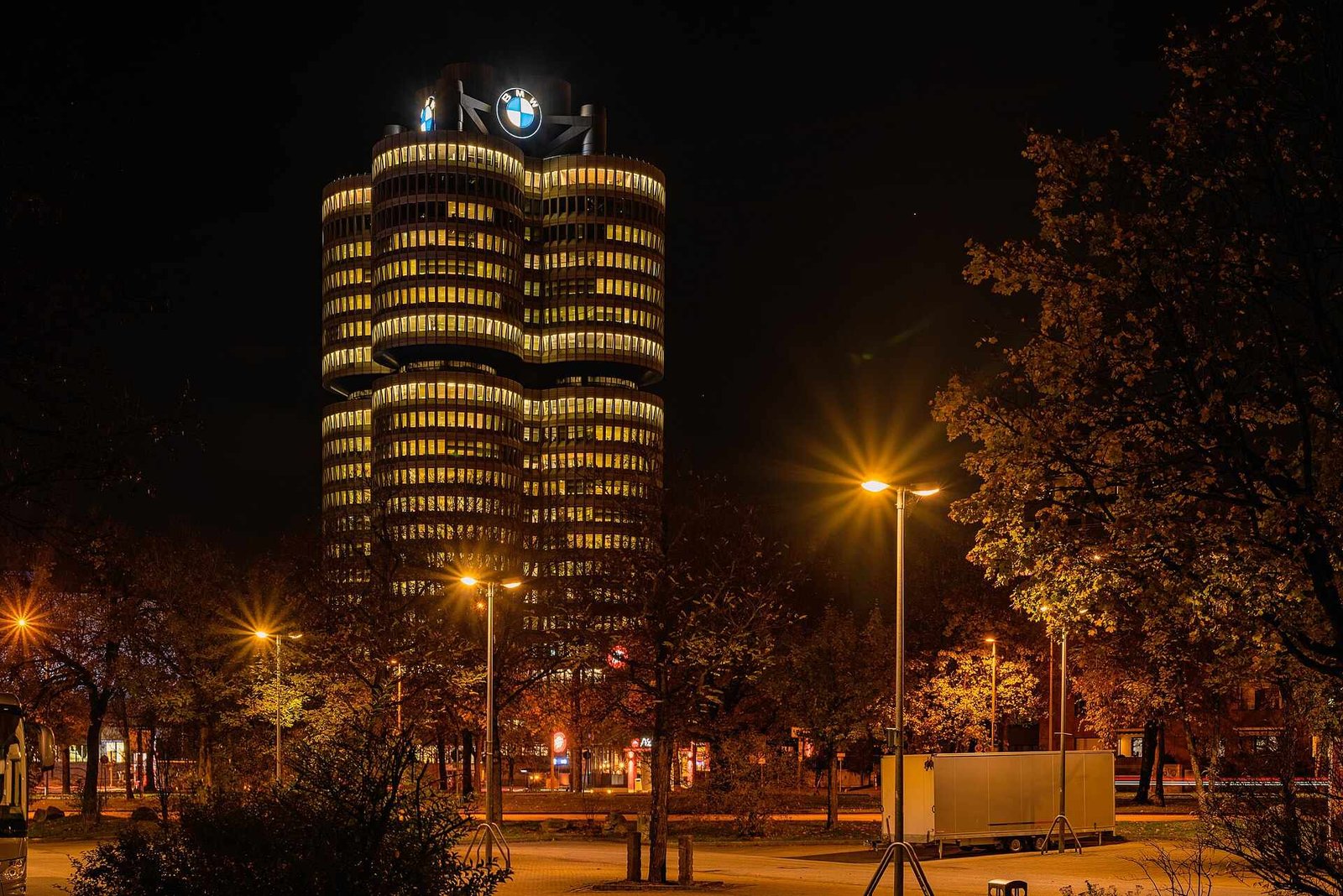

BMW plans to eliminate as many as 8,000 jobs across its German operations by the end of 2027 through a voluntary redundancy programme, marking the latest sign of Europe’s largest carmakers cutting costs as they contend with intensifying competition from Chinese manufacturers.
The Munich-headquartered company confirmed on Wednesday that the reductions will target administrative and development divisions, leaving production operations unaffected. The programme was agreed with employee representatives, a BMW spokesperson said.
The cuts underscore the mounting strain on Germany’s flagship auto sector, which has struggled to match the pace and pricing of a new generation of Chinese electric-vehicle makers. Rivals such as BYD have expanded aggressively in Europe, offering lower-cost models that have eroded the traditional dominance of German brands.
This move comes as several major European manufacturers pursue similar restructuring. The German industry has been squeezed by weak demand, high energy and labour costs, and a slower-than-anticipated transition to electric vehicles.
BMW’s decision follows a wave of cost-cutting across the continent. Porsche has deepened its own restructuring plans, while French automaker Renault has trimmed its engineering workforce, both citing pressure from Chinese competitors. The broader picture reflects a market in which price wars have squeezed margins for global brands operating in China and beyond.
By focusing the layoffs on white-collar roles rather than factory lines, BMW appears intent on preserving manufacturing capacity while streamlining overhead. A voluntary redundancy scheme typically allows a company to reduce headcount without compulsory dismissals, offering financial incentives to departing staff.
Germany’s automotive industry remains a cornerstone of the national economy, employing hundreds of thousands of workers directly and supporting a vast network of suppliers. Repeated rounds of job cuts have raised concerns about the sector’s long-term competitiveness as the global market shifts toward electrification.
Despite these challenges, BMW has continued to invest heavily in its electric-vehicle line-up, betting that a stronger product range will help it defend market share. The company has not disclosed a precise figure for the total number of positions affected.
The programme is expected to run through 2027, giving BMW time to phase in the reductions gradually. How effectively the German group can balance cost discipline with its electrification ambitions may prove decisive as competition from Chinese automakers continues to reshape the global industry.