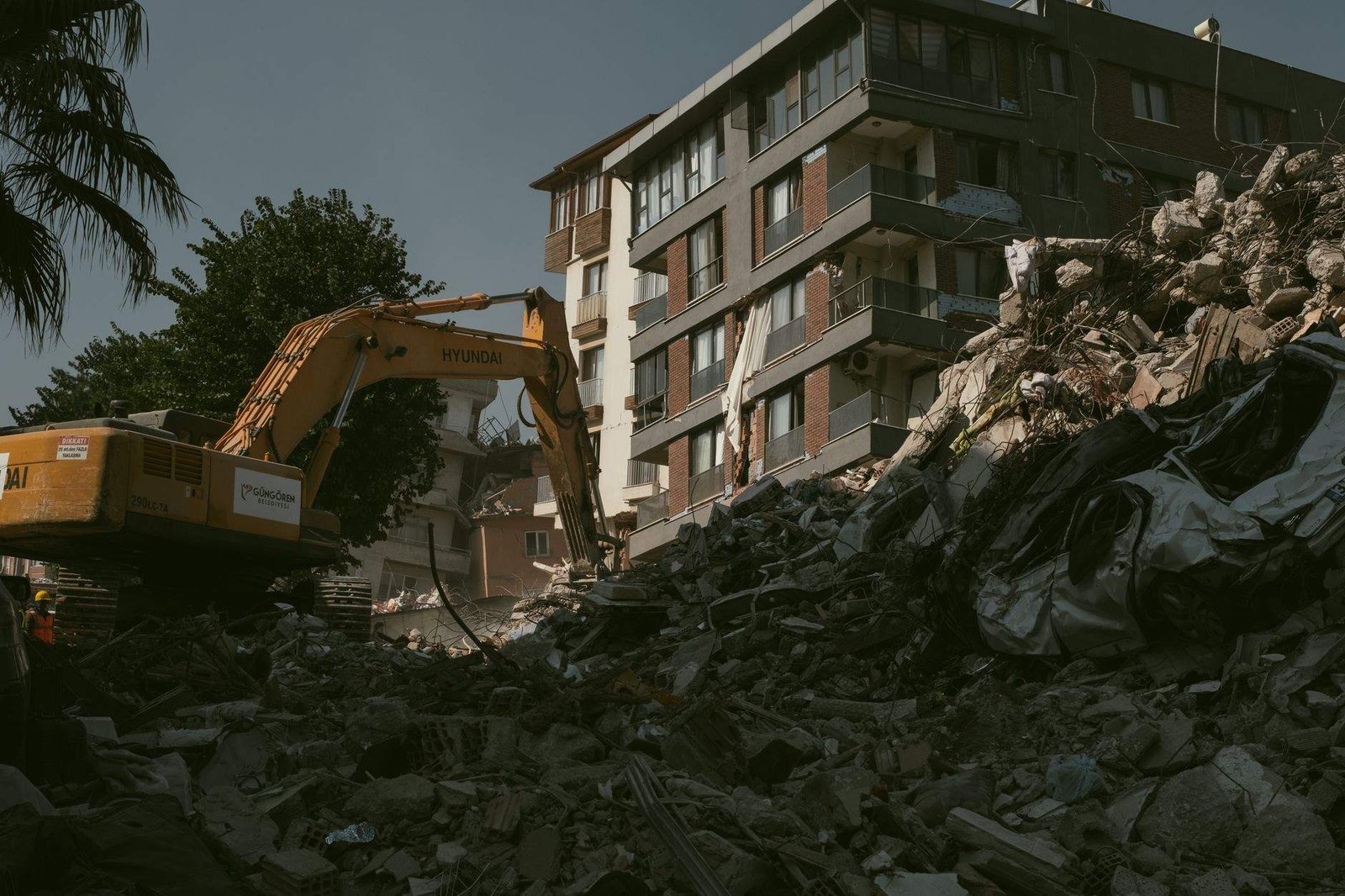

The death toll from the powerful earthquake that struck southwestern Japan this week has climbed to at least 23, the Kumamoto prefectural government confirmed Thursday, as rescue crews raced against time in what officials described as a critical and narrowing window for finding survivors.
The magnitude 7.1 quake, which struck the Kumamoto region on Japan’s southern main island of Kyushu on Tuesday, has also left at least 63 people injured, five of them seriously. The total number of those still missing remained unclear as of Thursday, complicating rescue operations across the affected area.
Emergency teams continued to comb through collapsed homes and debris, though officials acknowledged that the chances of pulling additional survivors from the rubble were diminishing with each passing hour. The days immediately following a major quake are widely regarded as decisive for locating trapped residents alive.
The disaster triggered an explosion at an AEON Mall shopping center in Kashima, toppled a factory chimney and flattened numerous residential structures. The scale of the destruction has strained local resources, leaving communities grappling with disrupted water supplies during a period of intense summer heat.
The earthquake initially claimed 13 lives when it first struck the region, a figure that has since risen sharply as recovery teams reached previously inaccessible sites and confirmed additional casualties.
Access to clean water has emerged as a pressing concern for displaced residents, many of whom are sheltering in evacuation centers amid high temperatures. The combination of water shortages and heat has heightened health risks for vulnerable populations, including the elderly.
Kyushu sits within one of the world’s most seismically active zones, and Japan has invested heavily in earthquake preparedness and rapid-response systems. Even so, the intensity of Tuesday’s quake overwhelmed some infrastructure and underscored the persistent dangers posed by such events.
Authorities are expected to continue search and rescue operations in the coming days while assessing the full extent of the damage. Attention is likely to shift toward restoring essential services and supporting the thousands of residents affected by the disaster.