
Leopold Aschenbrenner‘s high-profile artificial intelligence hedge fund reportedly plunged 67% in July, a steep reversal that triggered a violent unwinding of crowded positions and sent momentum stocks whipsawing across markets.
The sharp drawdown, which traders have dubbed the “Leopold liquidation,” forced the fund to shed concentrated bets tied to the AI trade. The forced selling rippled through equities that had ridden the momentum wave for much of the year, hitting names that money managers had piled into on similar conviction.
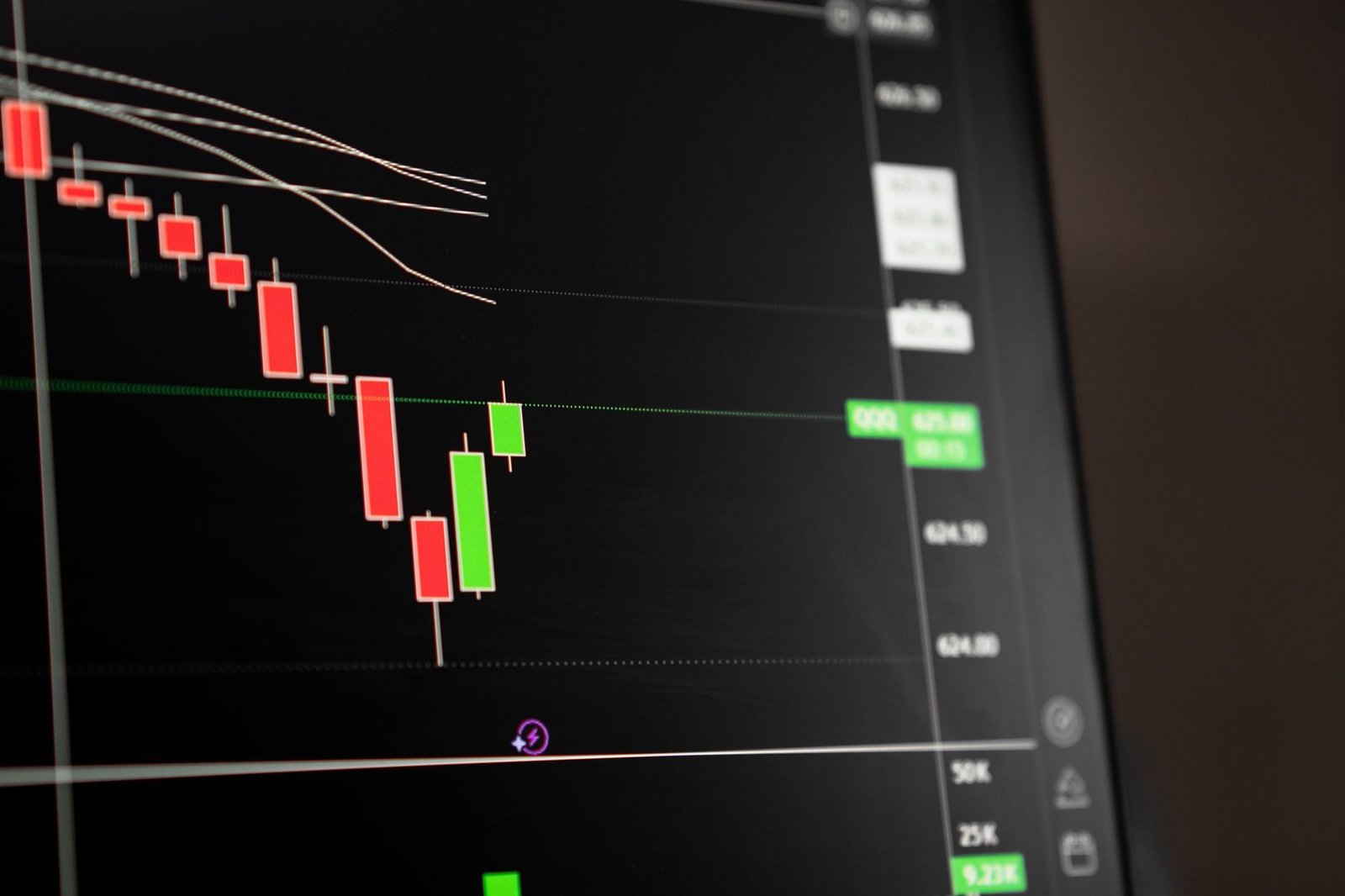
In the aftermath, momentum stocks staged one of their strongest single-day rebounds on record, snapping back sharply once the liquidation pressure eased. CNBC described the recovery as a dramatic “snap-back move,” underscoring how quickly sentiment reversed after the initial rout.
Aschenbrenner drew widespread attention as a former OpenAI researcher who launched an investment firm built around a thesis that artificial intelligence would reshape the global economy and financial markets. That conviction translated into aggressive, concentrated positioning that amplified both gains and losses.
The episode highlights the risks embedded in heavily crowded trades, where many funds hold overlapping positions. When one large player is forced to exit, the resulting cascade can magnify losses across the market before conditions stabilize.
Momentum strategies, which chase stocks with strong recent performance, are particularly vulnerable to these dynamics. A concentrated liquidation can rapidly invert the very trends that such strategies depend on, producing outsized swings in a matter of days.
The turbulence echoes broader patterns seen when leveraged funds reposition. Similar dislocations have surfaced in prior episodes when hedge funds have rapidly adjusted their exposure in response to shifting market conditions.
Despite the scale of the July decline, the swift recovery in momentum names suggests underlying demand for AI-linked equities remains resilient. The rebound points to continued investor appetite for the theme even after a costly shakeout.
The events raise questions about the durability of highly concentrated AI-driven strategies and the fragility of momentum positioning heading into the second half of the year. Investors will be watching whether the recovery holds or whether further deleveraging lies ahead.