
Shares of Linde plc, the world’s largest industrial gas company, tumbled sharply following its latest quarterly earnings report, marking one of the stock’s steepest single-day declines in more than a year and placing it among Friday’s most notable large-cap movers.
The sell-off left investors weighing whether the drop reflects deeper structural concerns or an overreaction to near-term headwinds. Some market watchers argue the decline offers an attractive entry point for those willing to look past current obstacles.
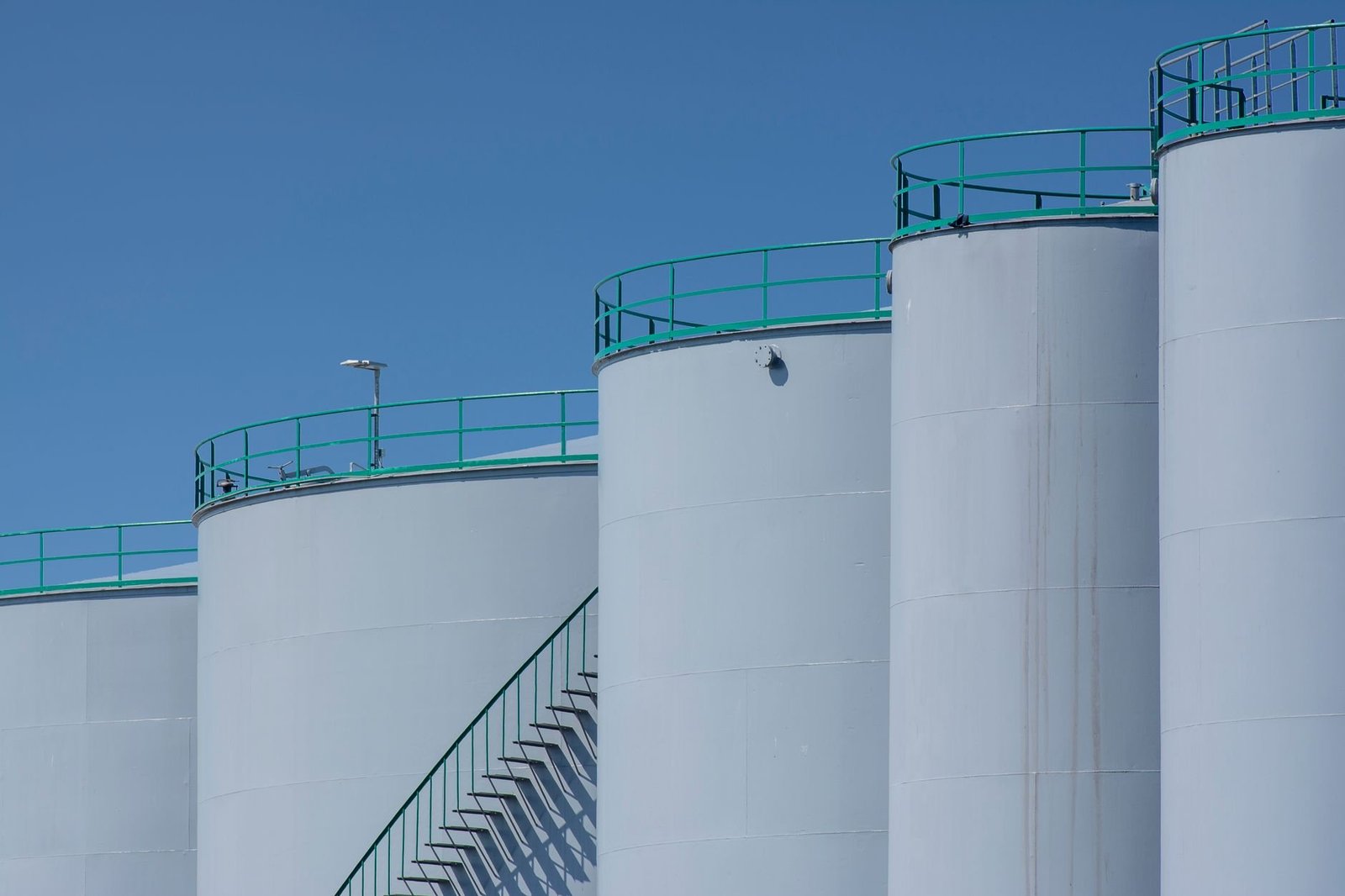
Linde, which supplies gases such as oxygen, nitrogen and hydrogen to industries ranging from healthcare to manufacturing and semiconductors, has long been viewed as a defensive holding thanks to its diversified customer base and steady cash flow. The company operates across the Americas, Europe and Asia, giving it broad exposure to global industrial demand.
The stock’s slide came alongside movement in other major names on Friday, with networking equipment maker Arista Networks also featuring among the day’s significant market-cap shifts.
“That’s a gift for investors who can see past current obstacles,” CNBC noted in its assessment of the drop, framing the pullback as a potential buying opportunity rather than a warning sign about the underlying business.
Industrial gas producers have faced pressure from softer manufacturing activity in several key markets, along with currency fluctuations that can weigh on results reported in U.S. dollars. Despite these challenges, Linde has historically maintained resilient margins and consistent pricing power.
The reaction underscores how sensitive investor sentiment has become during a busy corporate earnings stretch, where even solid results can trigger sharp moves if they fall short of elevated expectations. The broader market has seen heightened volatility as traders parse fresh data and corporate guidance, a dynamic evident across Wall Street’s crowded earnings calendar this quarter.
For long-term investors, the central question is whether Linde’s fundamentals remain intact. The company’s scale, its role supplying critical inputs to sectors including clean energy and electronics, and its record of returning capital to shareholders continue to anchor the bull case.
Analysts suggest the near-term picture may stay choppy as macroeconomic uncertainty persists, but many view Linde’s positioning in hydrogen and industrial decarbonisation as a longer-term growth driver.
Investors will now watch upcoming trading sessions for signs of stabilisation, as well as any updated guidance that could clarify the trajectory of demand across Linde’s core markets in the months ahead.