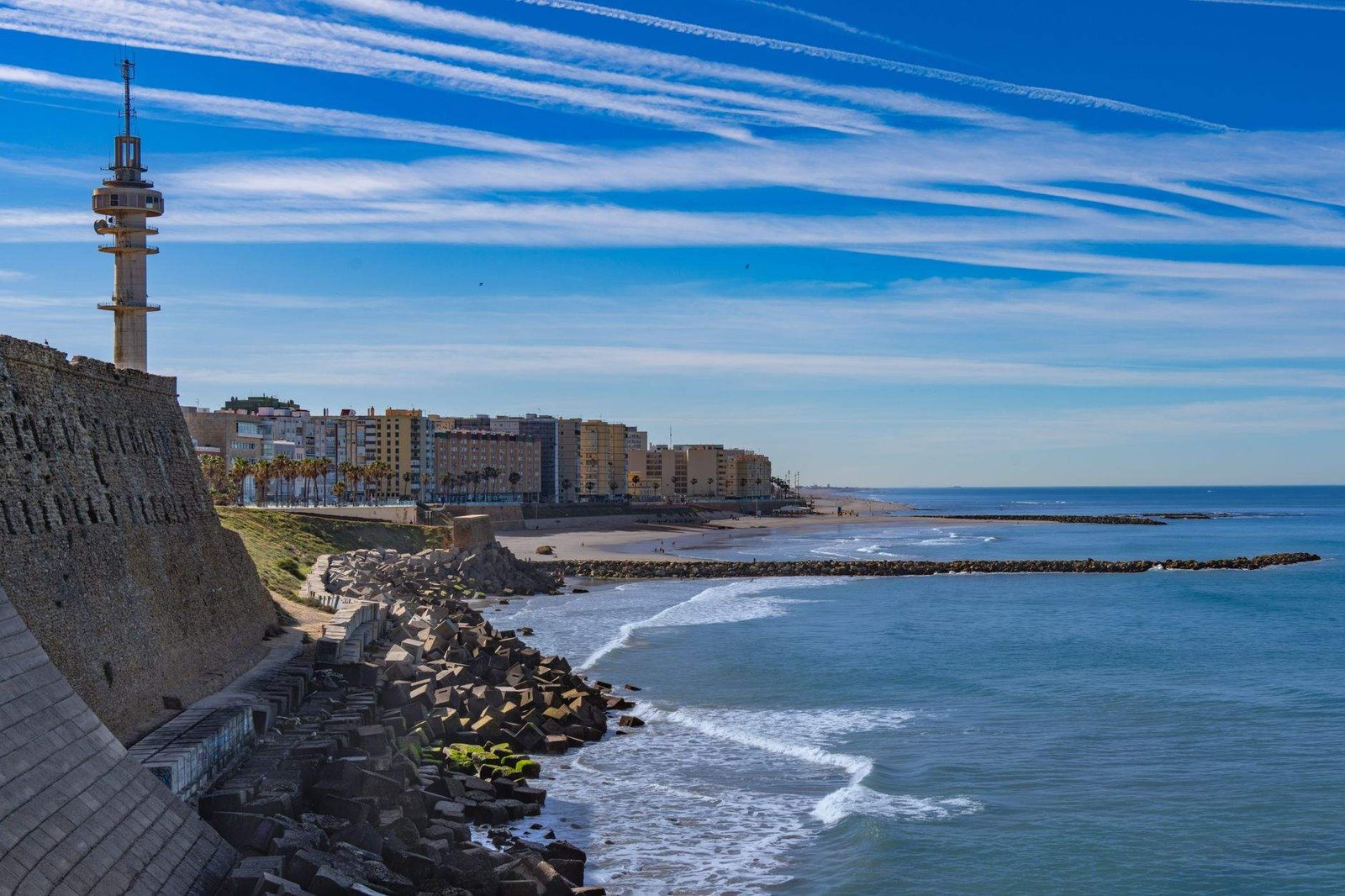

Spanish authorities have confirmed that roughly 50,000 migrants who crossed into the North African enclave of Ceuta during an unprecedented surge have returned to Morocco, easing a crisis in which at least 67 people died.
The mass influx began Thursday, with tens of thousands entering the Spanish territory by land and sea over several days. In response, Spain installed a floating barrier along the coastline to deter further crossings and reinforce the frontier separating the enclave from Moroccan territory.
Ceuta, a small Spanish city bordering Morocco, is one of only two European Union land borders on the African continent. Its position has long made it a focal point for migration between the two continents, though the scale of the recent movement was without recent precedent.
The 67 confirmed deaths underscored the dangers of the crossings, many of which occurred at sea. Rescue and recovery operations continued as authorities worked to account for those who attempted the journey during the peak of the surge.
Spanish Foreign Minister Jose Manuel Albares sought to reassure European partners over the security implications of the events. “The integrity of the Schengen area is absolutely guaranteed,” he stated, referring to the passport-free travel zone that underpins movement across much of the bloc.
The surge placed renewed strain on Spain’s border management and revived long-standing questions over cooperation with Morocco on migration control. Rabat has historically played a central role in managing flows toward the enclaves of Ceuta and Melilla, and coordination between the two governments remains critical to preventing further crises.
Migration across the Mediterranean and toward Europe’s southern borders has repeatedly produced tragedy in recent years, with overcrowded and unseaworthy vessels contributing to a high toll. Earlier incidents off the coast of North Africa have highlighted the risks faced by those attempting to reach European territory.
The installation of the floating barrier reflects a broader trend of physical deterrence measures at Europe’s external frontiers, a strategy that has drawn scrutiny from humanitarian organisations concerned about the safety of those attempting crossings.
Spanish officials indicated that the situation in Ceuta had largely stabilised following the return of migrants to Morocco. Authorities are expected to review border protocols and reinforce coordination with Rabat to prevent a recurrence of the surge in the months ahead.