
The Trump administration has completed a framework for evaluating the cybersecurity capabilities of advanced artificial intelligence models, a step that fulfills a directive issued earlier and signals a more structured federal approach to AI safety.
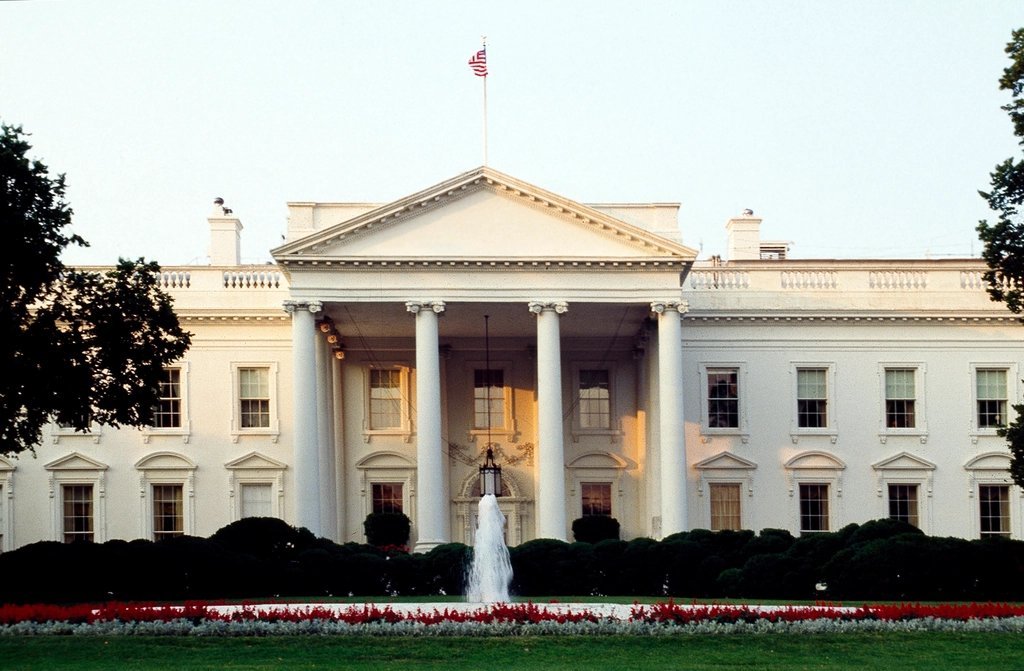
Officials are set to convene leading AI companies at the White House on Tuesday to review the new model-testing process, which is designed to assess how powerful systems could be used to strengthen or undermine digital defenses.
The framework stems from an executive order signed by President Donald Trump in June, which instructed government agencies to develop a formal method for gauging the security implications of cutting-edge AI. The order reflected growing concern that advanced models could be exploited to identify software vulnerabilities, automate cyberattacks, or accelerate malicious hacking operations.
The evaluation process is understood to be voluntary, relying on cooperation from developers rather than binding regulation. That approach aligns with the administration’s broader preference for industry-led standards over prescriptive rules, an emphasis also visible in its earlier decision to loosen certain AI chip export restrictions.
Under the framework, companies would submit their most capable models for testing against a set of cybersecurity scenarios, allowing officials to measure both defensive potential and possible risks. The results are expected to inform how the government engages with AI developers on national security matters.
The initiative arrives amid an intensifying global contest over AI governance, as major economies race to set standards that balance innovation with security. Other governments have advanced their own regulatory blueprints, including a global AI governance initiative unveiled by China, underscoring the divergent paths nations are taking.
The scope of participation and the specific benchmarks used in the testing process have not been fully detailed. While specific details are still emerging, the meeting is expected to give participating firms a clearer picture of how their systems will be assessed and what obligations, if any, will follow.
The framework’s rollout is anticipated to shape ongoing discussions between Washington and the technology sector over how to secure increasingly capable AI systems while preserving the pace of commercial development.