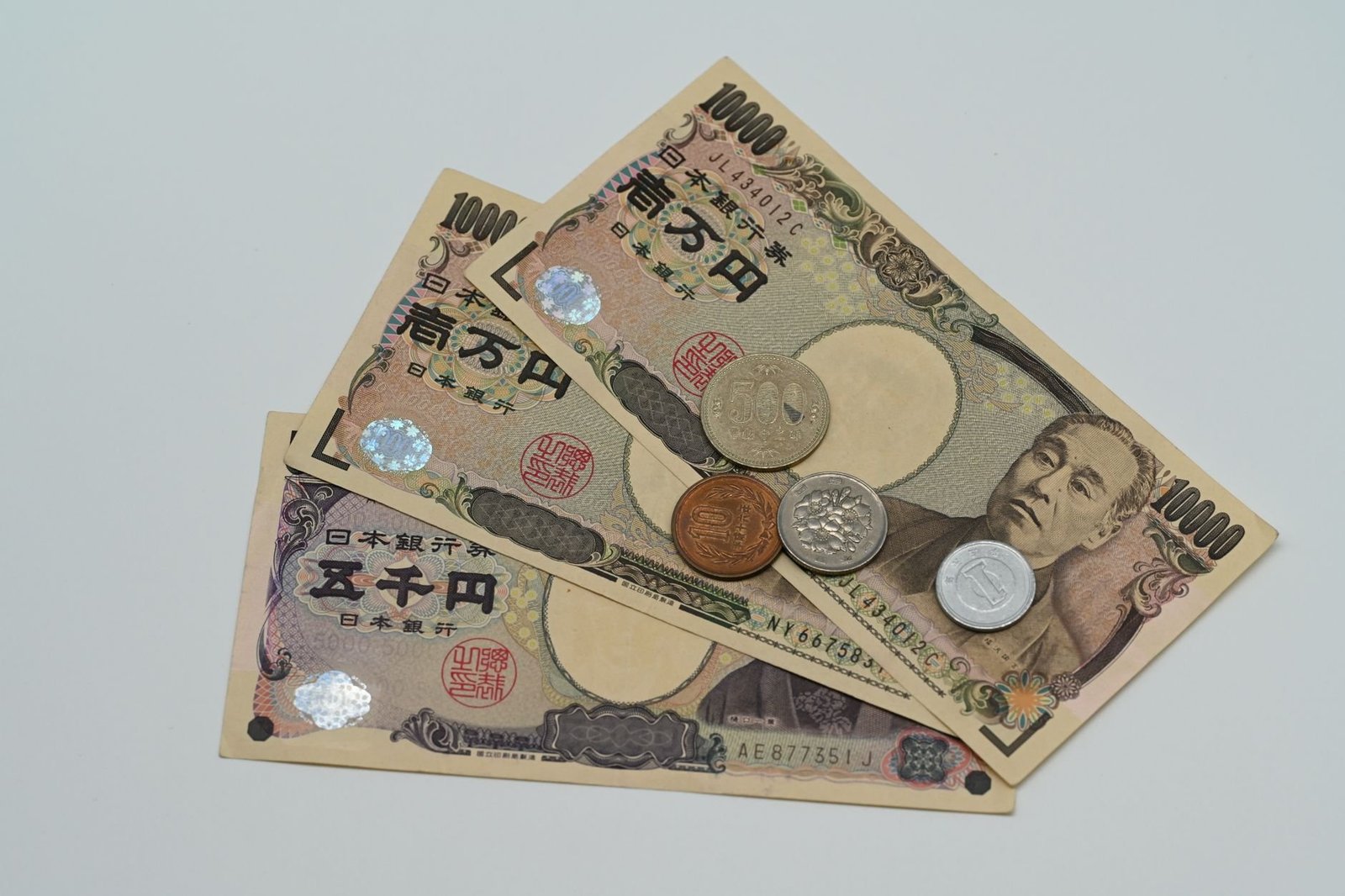

The United States has taken the unusual step of intervening alongside Japan to shore up the weakening yen, a coordinated move that has drawn attention across global currency markets for its rarity and its unconventional execution.
The intervention marks one of the few instances in recent years in which Washington has actively participated in supporting a foreign currency, rather than leaving Tokyo to defend the yen on its own. The dollar-yen pair has been a focal point for traders, with the yen sliding to levels that have raised concern among policymakers in both countries.
What has made the operation particularly notable is the reported use of euros rather than dollars in parts of the intervention, a detail that has puzzled analysts and prompted questions about the mechanics and motivation behind the effort.
“The last thing you want is to give markets any kind of reason to ask questions,” one market observer noted, characterizing the operation as “weird” and “unwise” given the risk of confusing investors about the intent behind the coordinated action.
Currency interventions are typically deployed when officials judge that exchange-rate moves have become excessive or disorderly. A rapidly depreciating yen raises the cost of imports for Japan, including energy and food, while complicating monetary policy calculations for the Bank of Japan.
For the United States, joining such an operation signals a willingness to cooperate with a key ally at a moment of strain, though direct US participation in defending another nation’s currency remains uncommon and can carry its own political and market sensitivities.
Traders are now closely watching key technical levels in the dollar-yen pair to gauge whether authorities will step in again. Analysts suggest that further sharp moves could trigger additional rounds of intervention, though the effectiveness of such measures often depends on underlying interest-rate differentials rather than one-off actions.
The historic yen defense has underscored the challenges facing Japanese policymakers as they attempt to balance currency stability against broader economic conditions. Repeated interventions can drain reserves and may offer only temporary relief if fundamental pressures persist.
Market participants will be monitoring upcoming signals from both the Bank of Japan and US authorities for indications of whether the coordinated approach will continue. For now, the operation has reinforced how far officials are prepared to go to prevent disorderly swings in one of the world’s most heavily traded currency pairs.