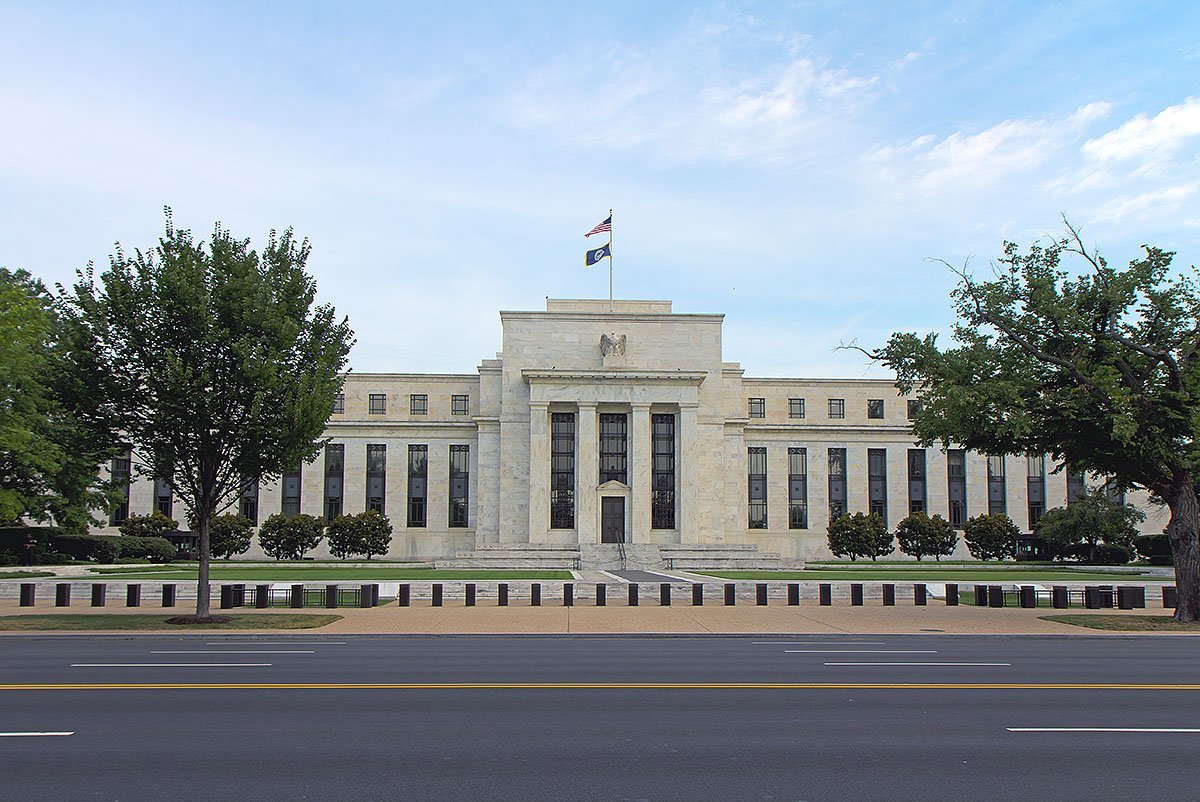

A growing number of Federal Reserve officials are turning their attention to the accelerating pace of artificial intelligence investment, monitoring whether the surge in spending could pose emerging risks to the broader financial system.
The scale of capital flowing into AI infrastructure has become a defining feature of the current economic landscape, with major technology companies committing enormous sums to data centers, advanced chips, and computing capacity. That momentum has helped drive equity markets higher while raising questions about concentration and sustainability.
Some policymakers now view the investment boom as significant enough to warrant closer scrutiny, weighing the possibility that valuations and spending could outpace the near-term returns AI ventures are able to generate. The concern echoes wider debates among investors about when the technology will begin delivering measurable payoffs.
This development comes as markets have already shown signs of unease over the timing of returns. Earlier this year, shares of several large technology firms slid as investors questioned when AI spending would translate into profits, underscoring the sensitivity of markets to shifting sentiment around the sector.
For the central bank, the issue extends beyond individual stock prices. Officials are examining how heavily the economy has come to lean on AI-related capital expenditure, and what a sudden pullback in that spending might mean for growth, employment, and financial stability.
The attention marks a shift in emphasis. While the Fed’s primary mandates remain price stability and maximum employment, the potential for concentrated investment cycles to amplify market volatility has increasingly featured in internal discussions.
Concerns about AI’s broader economic footprint have surfaced across the central banking community. Atlanta Fed President Raphael Bostic has previously warned about the technology’s potential to reshape the U.S. labor market, reflecting a widening focus on how the AI boom could ripple through the real economy.
Analysts suggest the risk lies less in any single company and more in the possibility that a broad reassessment of AI’s prospects could trigger a rapid correction, given how much market value is now tied to a handful of large firms.
Despite these concerns, the Fed has not signaled any specific policy response tied to AI spending, and officials have stopped short of characterizing the current cycle as a bubble. The monitoring appears aimed at building a clearer picture of the risks rather than acting on them.
The heightened vigilance is expected to continue as spending commitments mount and earnings from AI investments remain uneven. For now, policymakers appear focused on gathering evidence, mindful that the trajectory of the technology could carry consequences well beyond the balance sheets of the companies leading the charge.