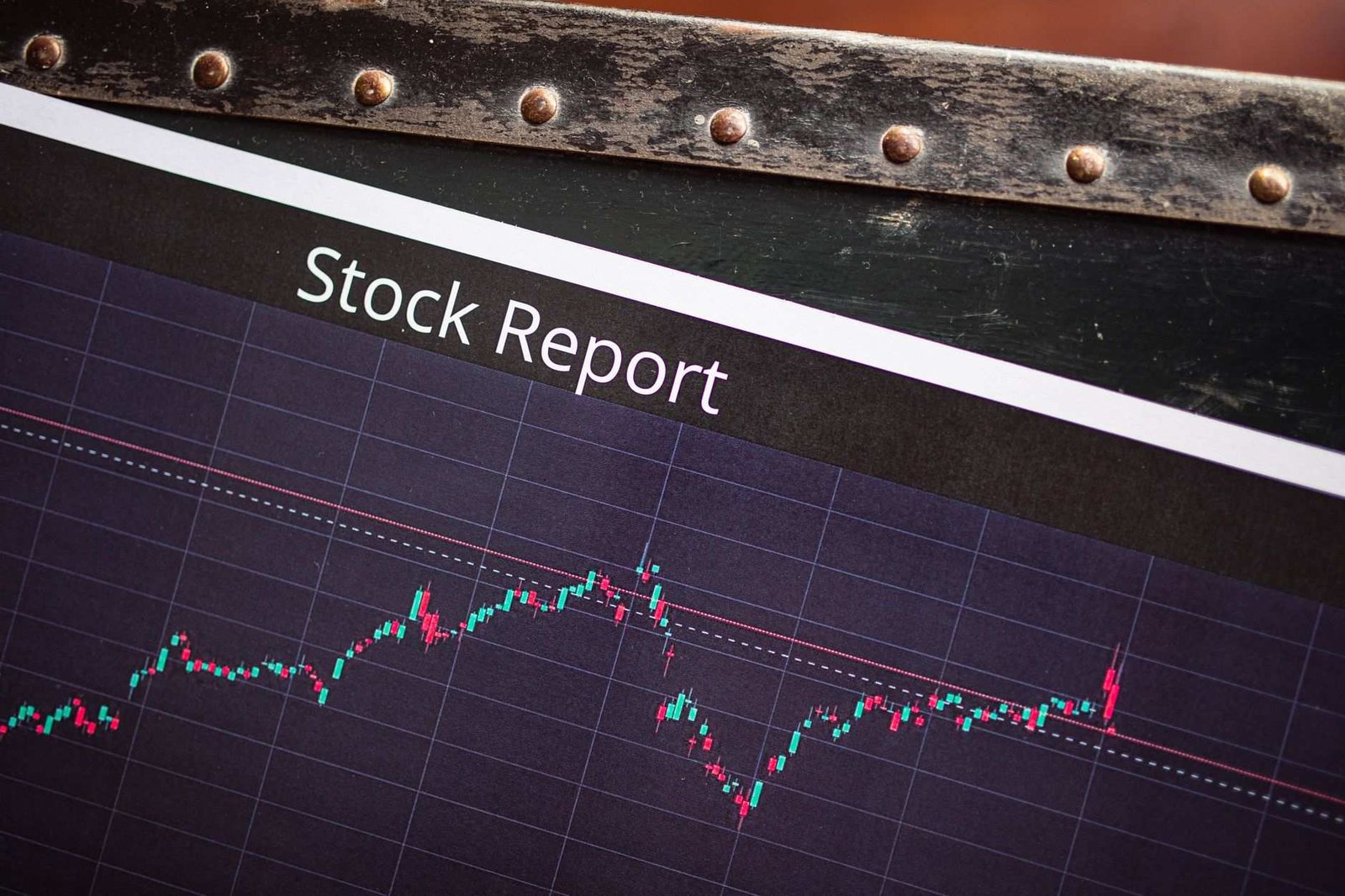

U.S. stocks moved higher on Friday after a softer-than-expected July employment report cooled fears of further interest rate increases and lifted sentiment across the major indexes.
The Dow Jones Industrial Average, the S&P 500, and the Nasdaq Composite all opened in positive territory, with technology shares helping to drive early gains as traders recalibrated their expectations for monetary policy.
The rally followed the release of monthly payrolls data that surprised to the downside, showing weaker job growth than economists had anticipated. Investors interpreted the slowdown as a sign that the labor market may be cooling, reducing the likelihood that the Federal Reserve will need to tighten policy further.
A softening jobs picture has historically supported equities, as it eases pressure on the central bank to keep borrowing costs elevated. Lower rates tend to benefit growth-oriented sectors, particularly technology, where valuations are sensitive to changes in interest rate expectations.
The market response echoed earlier episodes in which favorable inflation and labor data buoyed sentiment. In a similar pattern last year, technology shares led broad gains when economic data aligned with market forecasts, underscoring how closely equities track expectations for the Fed’s next moves.
Friday’s advance reflected a broader recalibration of risk appetite, with investors weighing signs of a slowing economy against the prospect of a more accommodative rate environment in the months ahead.
The employment figures form part of a closely watched stream of economic indicators that the Federal Reserve monitors as it assesses the balance between controlling inflation and supporting growth. A cooling labor market could give policymakers greater flexibility in their approach.
Market participants will now turn their attention to upcoming inflation readings and the next round of policy signals from the central bank, which are expected to shape the trajectory of equities through the remainder of the year.