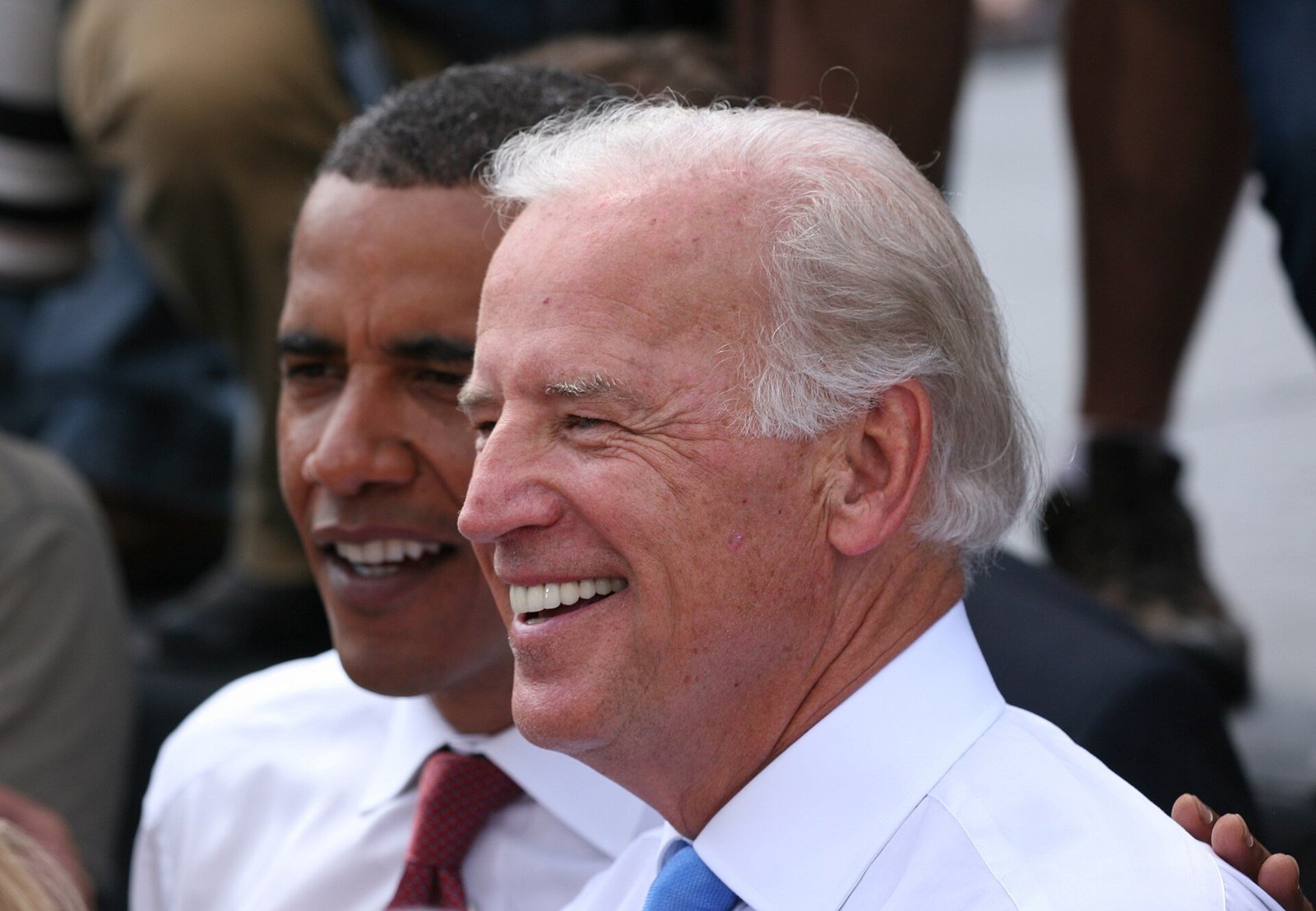

Former US president Joe Biden’s prostate cancer has spread to other parts of his body, including his bones, and is causing him significant pain, his son Hunter Biden said in a newly broadcast interview, offering the most detailed public account yet of the 82-year-old’s health.
“The cancer has spread, is metastasized into his bones and further. It’s very painful. It’s very debilitating in many respects,” Hunter Biden said during a wide-ranging conversation with the BBC broadcast late Friday. He grew emotional while discussing his father’s condition, describing it as difficult to watch.
Biden was diagnosed with an advanced form of prostate cancer in May 2025, with the disease already showing signs of metastasis to the bone at the time of the announcement. His office said then that the cancer was hormone-sensitive, a characteristic that can allow for more effective treatment and management.
Prostate cancer that has spread to the bones is generally considered incurable, though treatment can slow its progression and help control symptoms. Bone metastases are a common cause of pain in advanced cases and can significantly affect a patient’s mobility and quality of life.
Despite the diagnosis, the former president has continued to engage on public issues since leaving office. Hunter Biden’s remarks underscored the contrast between his father’s public activity and the private toll of the illness.
The interview marked a rare moment of candour from the Biden family regarding the former president’s condition, which has drawn continued public attention in the aftermath of his single term and his decision to withdraw from the 2024 presidential race.
Neither the former president nor his office has issued detailed updates on his treatment regimen since the initial announcement, and specifics about his prognosis remain private.
Hunter Biden, who has faced his own legal and personal difficulties in recent years, has increasingly spoken publicly in defence of his family. His latest comments are likely to renew discussion over the former president’s future public role as he navigates the ongoing course of treatment.