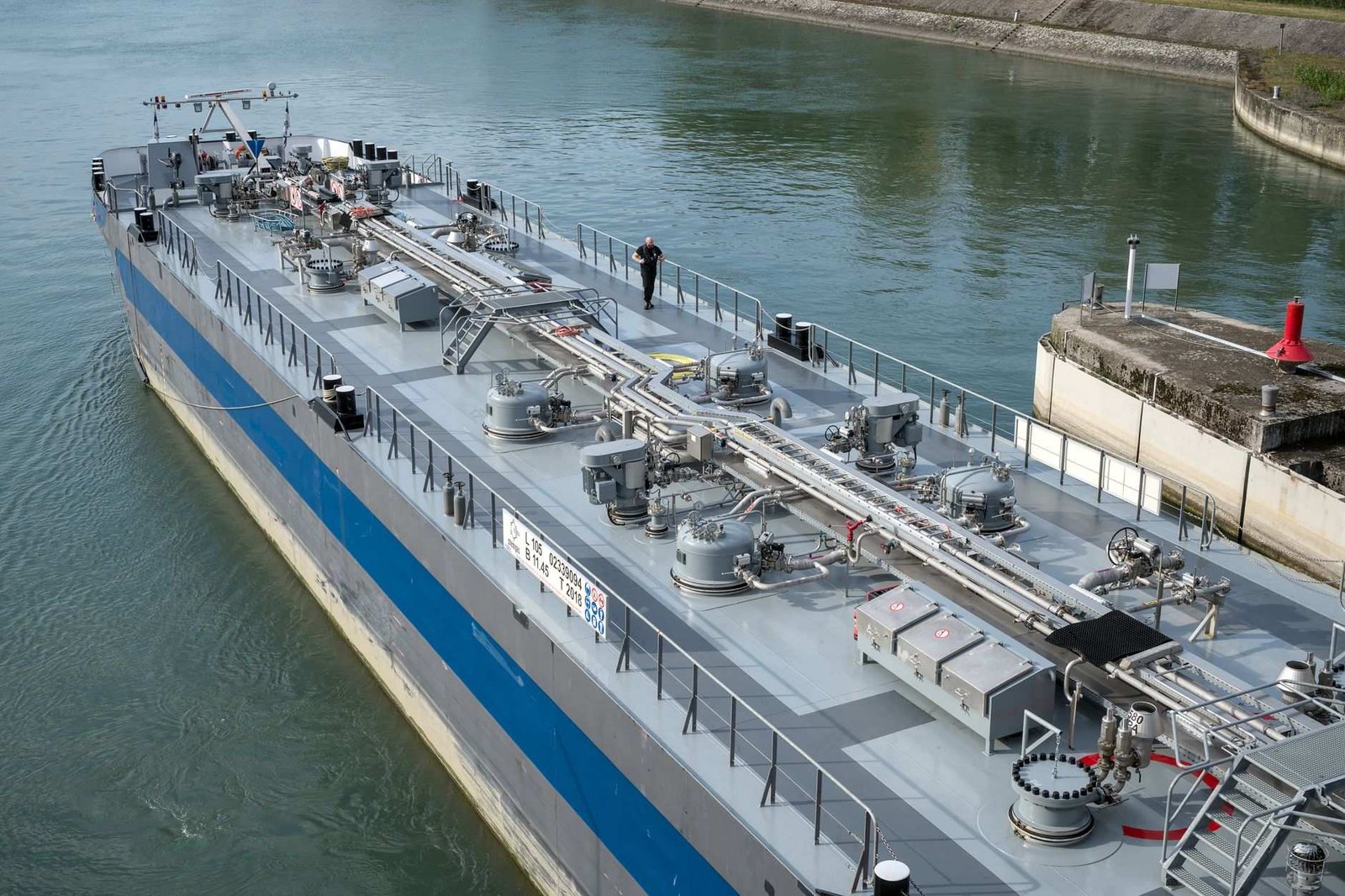

President Donald Trump has extended a waiver of the Jones Act for another 90 days, allowing foreign-flagged ships to transport energy products and agricultural commodities between U.S. ports as the war with Iran continues to disrupt global oil flows.
The extension takes effect on August 17 and applies only to cargoes tied to energy and agriculture, including oil, refined fuels, fertilizers and soybean oil. Trump first waived the 1920 law on March 17 to ease the movement of oil and refined fuels among domestic ports, seeking to reduce price pressures after the outbreak of the conflict.
The Jones Act requires that goods shipped between U.S. ports be carried on vessels built, owned and crewed by Americans. Waiving it temporarily opens that domestic trade to foreign ships, expanding capacity when demand for tanker transport rises.
The renewed waiver signals that Washington is bracing for continued disruption. The Strait of Hormuz, a critical waterway for the shipment of oil and natural gas, remains effectively closed because of the fighting, tightening supplies and keeping upward pressure on prices.
The latest move comes after the administration’s earlier signals of a deal to reopen the strait failed to materialize, leaving energy markets exposed to prolonged uncertainty.
Unlike previous extensions, the new waiver introduces an additional layer of oversight. The Pentagon will consult with the Maritime Administration to determine which specific voyages qualify for exemption, narrowing the scope compared with the broader waivers issued earlier this year.
“To ensure our military and key industries maintain uninterrupted access to critical resources,” White House spokeswoman Taylor Rogers said, describing the rationale for the extension. She added that the waiver has boosted domestic deliveries of gasoline, diesel and jet fuel.
The disruption has reverberated across Asian energy markets, where importers reliant on Gulf shipments have scrambled to secure alternative supplies. Beijing has taken its own steps to manage domestic availability, having tightened fuel export controls earlier this year.
The 90-day timeline suggests the administration anticipates elevated price pressures through the autumn. Whether the waiver is renewed again will likely depend on the trajectory of the conflict and any progress toward reopening the strait.