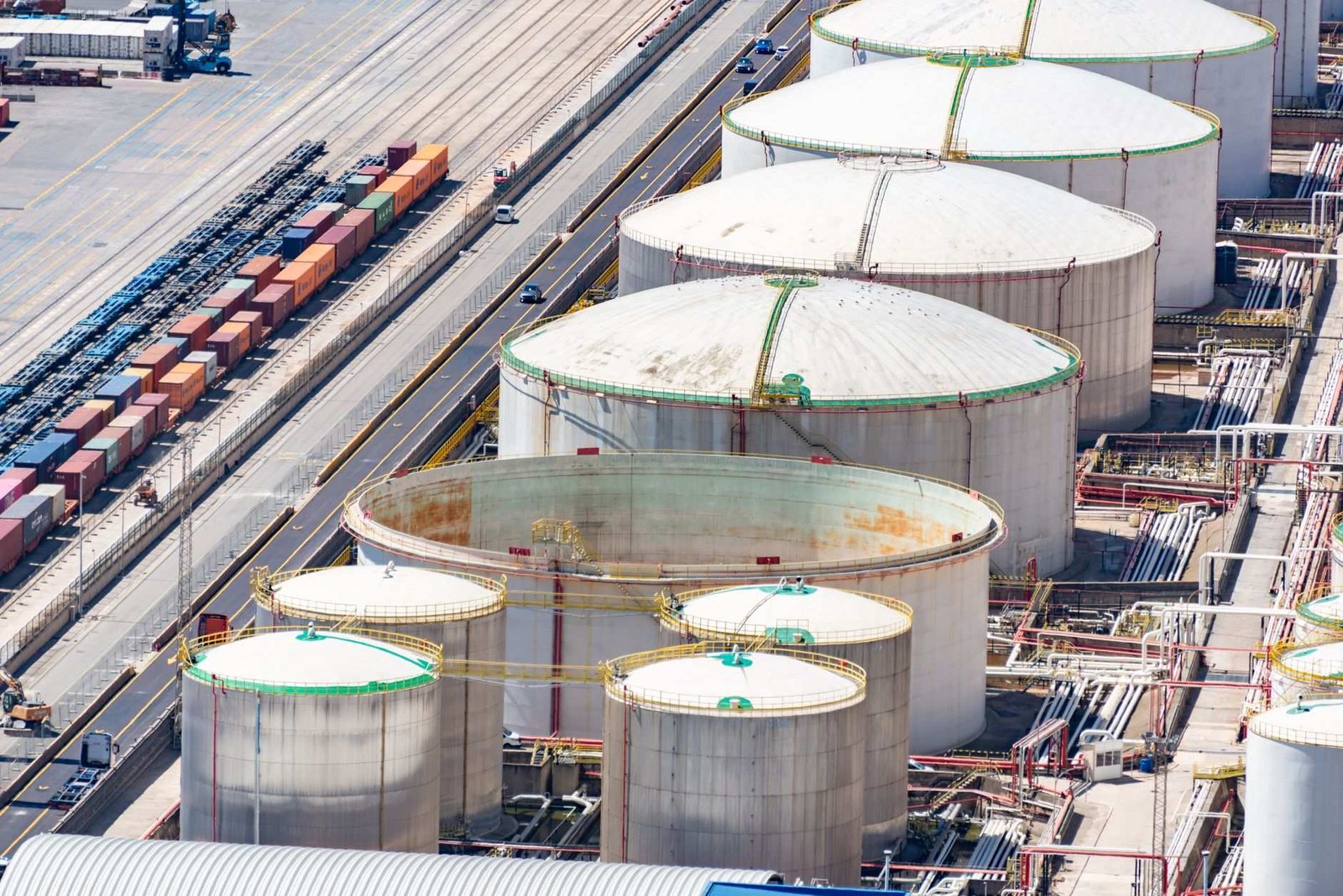

Crude oil held in the U.S. Strategic Petroleum Reserve has dropped below 300 million barrels for the first time since 1983, marking a multi-decade low as global oil prices climbed on fading hopes for a diplomatic breakthrough between Washington and Tehran.
The decline in the emergency stockpile underscores the challenge facing U.S. policymakers, who drew down the reserve heavily in recent years to counter surging fuel costs and now face a slow, costly path to refilling it.
Oil futures rose sharply as prospects for a U.S.-Iran agreement dimmed, reviving concerns about tighter global supply. Renewed uncertainty over Iranian barrels reaching international markets has added a risk premium to prices already sensitive to geopolitical developments.
The Strategic Petroleum Reserve, established in the 1970s following the Arab oil embargo, was designed to cushion the American economy against severe supply disruptions. At its peak, the reserve held well over 700 million barrels, but successive releases have left it at a fraction of its historical capacity.
The reserve was drawn down significantly to help stabilize markets during periods of elevated prices, and efforts to replenish it have progressed slowly amid higher crude costs. Refilling the stockpile at current price levels remains an expensive undertaking for the government.
The latest price movements echo a volatile stretch for energy markets, which have swung repeatedly on shifting signals from negotiations involving Iran. Earlier gains had come as diplomatic momentum raised hopes of a lasting de-escalation, only for sentiment to reverse as talks stalled.
Market watchers note that the combination of a depleted emergency reserve and renewed geopolitical tension leaves the United States with less buffer to absorb future shocks. A thinner stockpile could translate into greater price sensitivity should supply disruptions materialize.
The trajectory of oil prices in the coming weeks is likely to hinge on whether diplomatic channels between Washington and Tehran reopen, as well as broader decisions from major producers on output levels. For now, the reserve’s decline to a 43-year low signals a narrowing margin for policymakers navigating an unsettled global energy landscape.