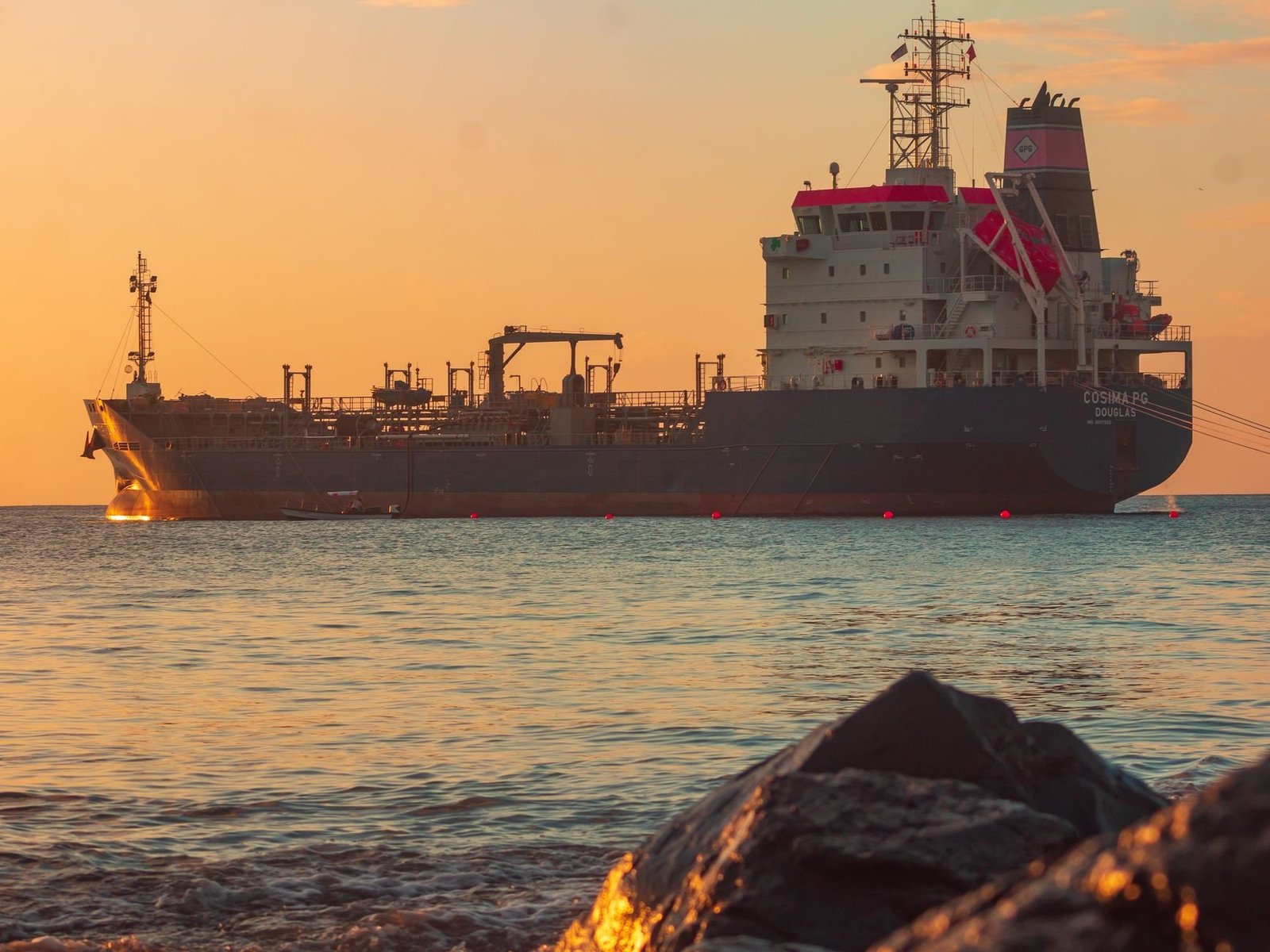

Vessel traffic through the Strait of Hormuz has collapsed to near a three-month low, with only eight ships crossing the strategic waterway on Tuesday, down from a daily average of 130 to 140 before the conflict between the United States, Israel and Iran erupted earlier this year.
The roughly 90% decline underscores the severe disruption to one of the world’s most critical energy corridors, through which a significant share of global crude oil and liquefied natural gas normally passes. The plunge coincides with stalled negotiations aimed at ending the standoff.
President Donald Trump reiterated that Washington maintains “control” over the strait, repeating an assertion he has made repeatedly as peace talks with Tehran show little sign of progress. The characterization contrasts with the sharp drop in commercial shipping, which has left much of the corridor effectively idle.
The disruption traces back to late February, when U.S. and Israeli forces struck Iranian targets, triggering a prolonged confrontation that has repeatedly closed or restricted the waterway. Since then, the strait has become a focal point of the broader dispute, with earlier episodes including a naval blockade imposed as diplomacy broke down.
Bordered by Iran to the north and Oman and the United Arab Emirates to the south, the Strait of Hormuz is the only sea route from the Persian Gulf to the open ocean. At its narrowest, the channel is about 33 km wide, leaving little room for vessels to avoid contested waters.
The steep reduction in transits carries implications for global energy markets, as shippers, insurers and oil producers reassess the risks of moving cargo through the region. Prolonged disruption threatens to tighten supplies and add volatility to prices already sensitive to Middle East instability.
Diplomatic efforts to secure a deal between Washington and Tehran remain in doubt, with both sides offering diverging accounts of the state of negotiations. The absence of a breakthrough has kept commercial operators cautious about resuming normal traffic.
For now, the near-empty shipping lanes stand as a visible measure of the impasse. Whether transit levels recover will depend largely on the trajectory of talks in the coming weeks, and on whether either side moves to de-escalate a confrontation that has already reshaped one of the world’s busiest maritime chokepoints.