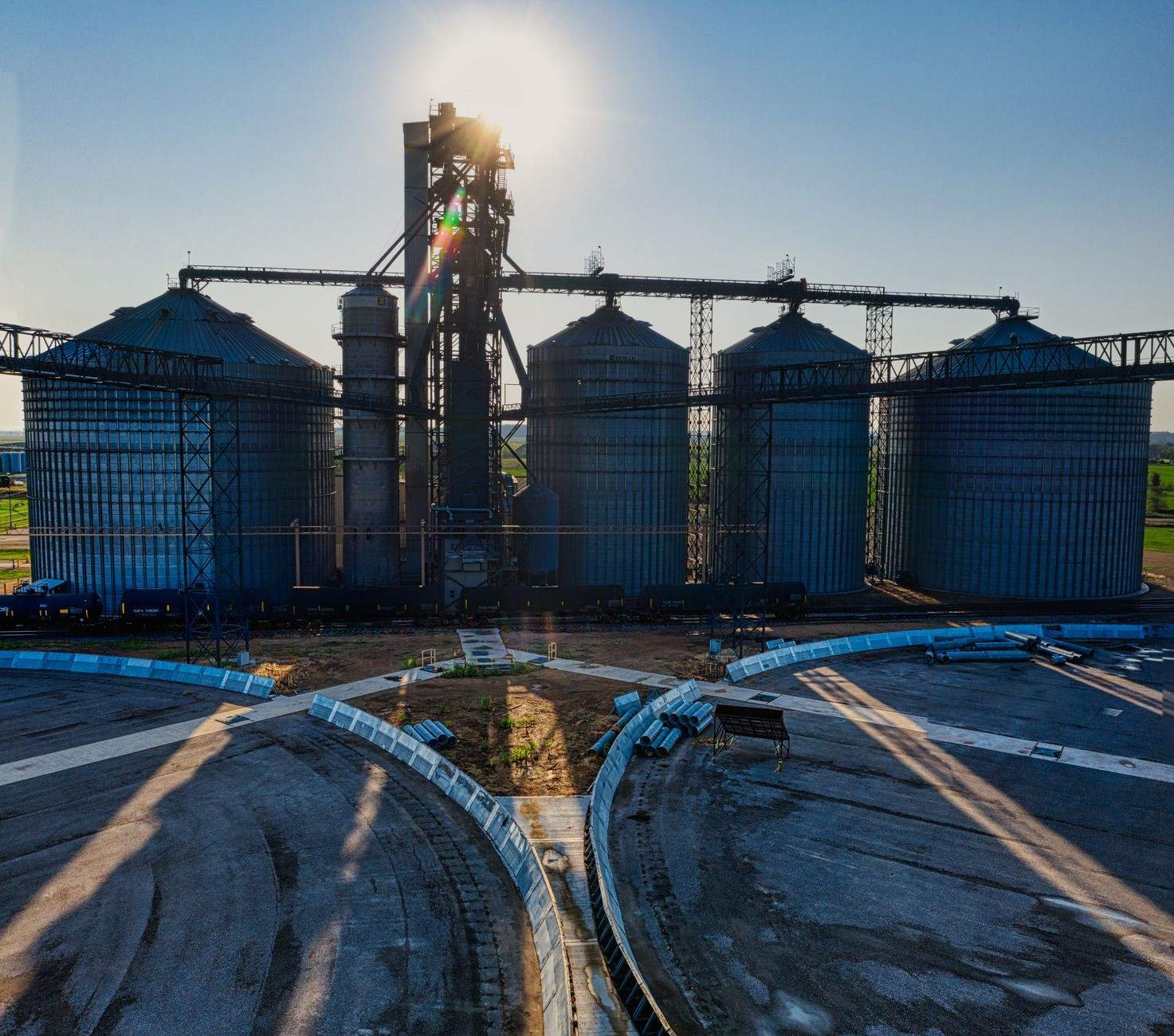

Ukraine has launched a large overnight drone assault on the Black Sea port of Novorossiysk, damaging three of Russia’s largest grain terminals and forcing them to suspend operations in a strike that Moscow warned could destabilise global food markets.
Grain shipments from the port are currently impossible because of serious damage to terminal infrastructure, people familiar with the matter said. A loading gallery at United Grain’s Novorossiysk Grain Plant collapsed after the strikes, and several silos were damaged, while a gallery and truck-unloading facility were also affected.
The assault also targeted warships anchored in the port, part of a broadening Ukrainian campaign to disrupt Russian export capacity along the Black Sea coast. Novorossiysk is one of Russia’s most important commercial gateways, handling a substantial share of the country’s wheat and grain exports.
Russian officials warned that the disruption risks sending shockwaves through international grain supply chains, cautioning that prolonged outages could stoke volatility in a market already sensitive to Black Sea instability. Russia is among the world’s leading wheat exporters, and buyers across the Middle East, North Africa and Asia depend heavily on shipments loaded at its southern ports.
The strike marks an escalation in Kyiv’s strategy of targeting the economic infrastructure that sustains Russia’s war effort. Ukrainian forces have increasingly reached deep behind the front lines with long-range drones, hitting refineries, logistics hubs and, more recently, warehouses tied to Russia’s retail and logistics networks.
The Black Sea has been a recurring flashpoint throughout the conflict, with both sides trading strikes on shipping and port facilities. The collapse of an earlier grain-export arrangement brokered to keep supplies flowing has left commercial routes exposed to military action.
The extent of the damage at Novorossiysk and the timeline for restoring operations remain unclear, with assessments still under way as crews inspect the affected silos and loading galleries.
Analysts have long cautioned that sustained disruption to Russian export terminals could tighten global availability and push prices higher, with the sharpest impact falling on import-dependent nations. How quickly the terminals resume loading is likely to determine whether the strike produces a lasting effect on world grain flows.