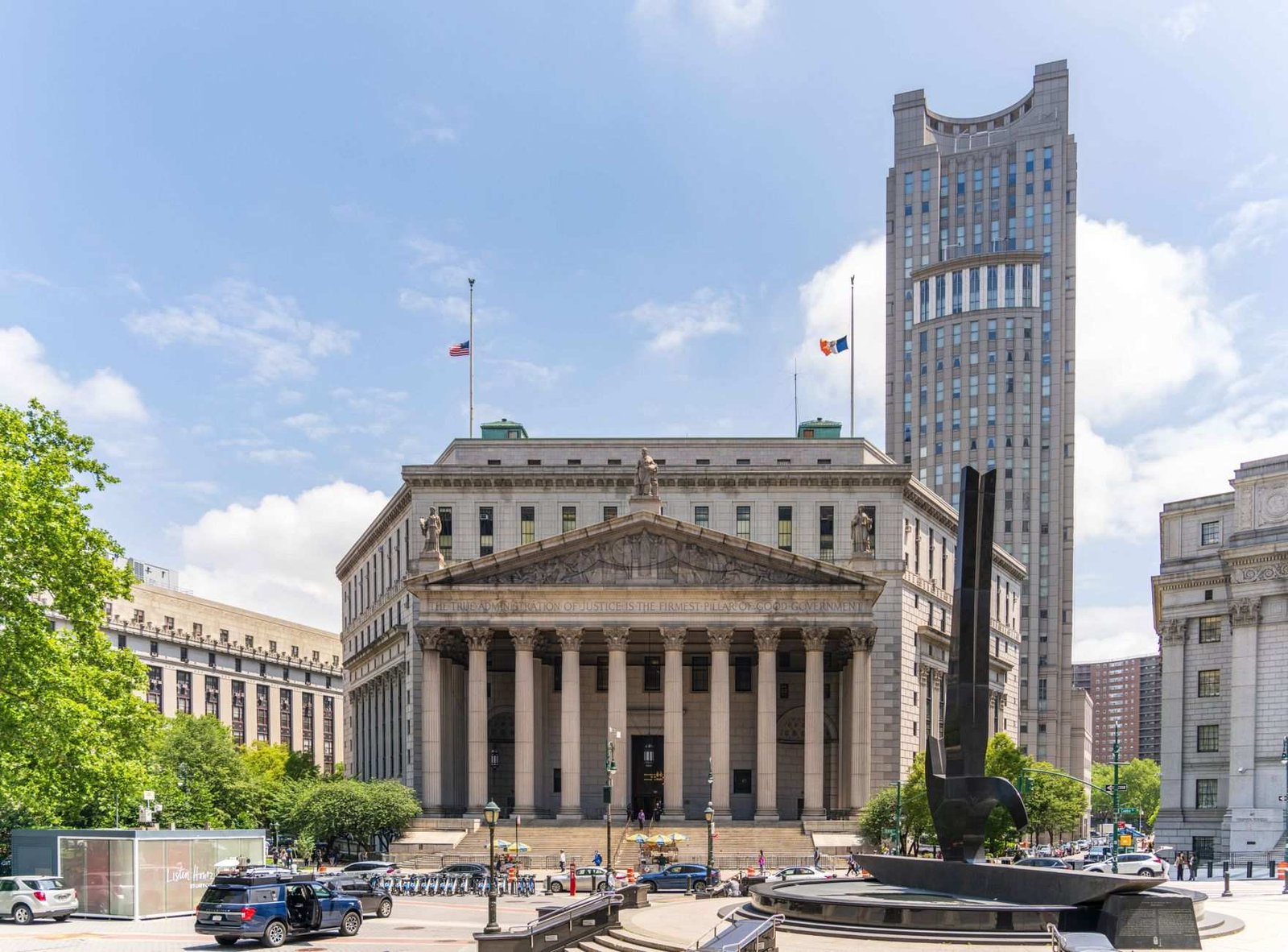

Luigi Mangione pleaded guilty in a Manhattan federal court on Friday to stalking charges in the killing of UnitedHealthcare CEO Brian Thompson, a move his attorneys signaled they will use to challenge a separate state murder case set for trial next month.
Appearing before Judge Margaret Garnett, Mangione admitted to shooting Thompson outside a New York City hotel and entered his plea to federal stalking counts. The guilty plea averts a federal trial in one of the most closely watched criminal cases in the United States.
Central to Mangione’s defense strategy is the argument that his federal admission bars a subsequent state prosecution on double jeopardy grounds. His lawyers are expected to contend that trying him again on state murder charges for the same conduct would violate protections against being prosecuted twice for the same offense.
Legal analysts have long noted that the two cases proceed under separate sovereigns—federal and state authorities—a distinction that historically has allowed both to bring charges arising from a single act. Whether Mangione’s plea reshapes that calculus will now fall to the courts to decide.
The state case remains on the calendar, with a murder trial scheduled to begin September 8. The looming September proceeding in Manhattan will test the reach of the double jeopardy argument if prosecutors and defense counsel cannot resolve it beforehand.
Thompson, 50, was shot outside a Manhattan hotel on December 4, 2024, as he walked to UnitedHealth Group’s annual investor conference. Mangione was arrested five days later at a McDonald’s in Altoona, Pennsylvania, roughly 375 km west of New York City, after a days-long manhunt that drew national attention.
The killing was condemned by public officials but also became emblematic of widespread American frustration with health insurance industry practices, generating an outpouring of commentary that placed the case at the intersection of crime and public policy.
Since Thompson’s death, UnitedHealth Group has faced mounting scrutiny on multiple fronts, including a federal investigation into its Medicare billing practices and shareholder litigation over its financial disclosures.
The resolution of the federal case narrows the legal battle to the state court, where the stakes—and the double jeopardy question—will be decided. A ruling on whether the state prosecution may proceed is expected to shape the timeline as the September trial date approaches.