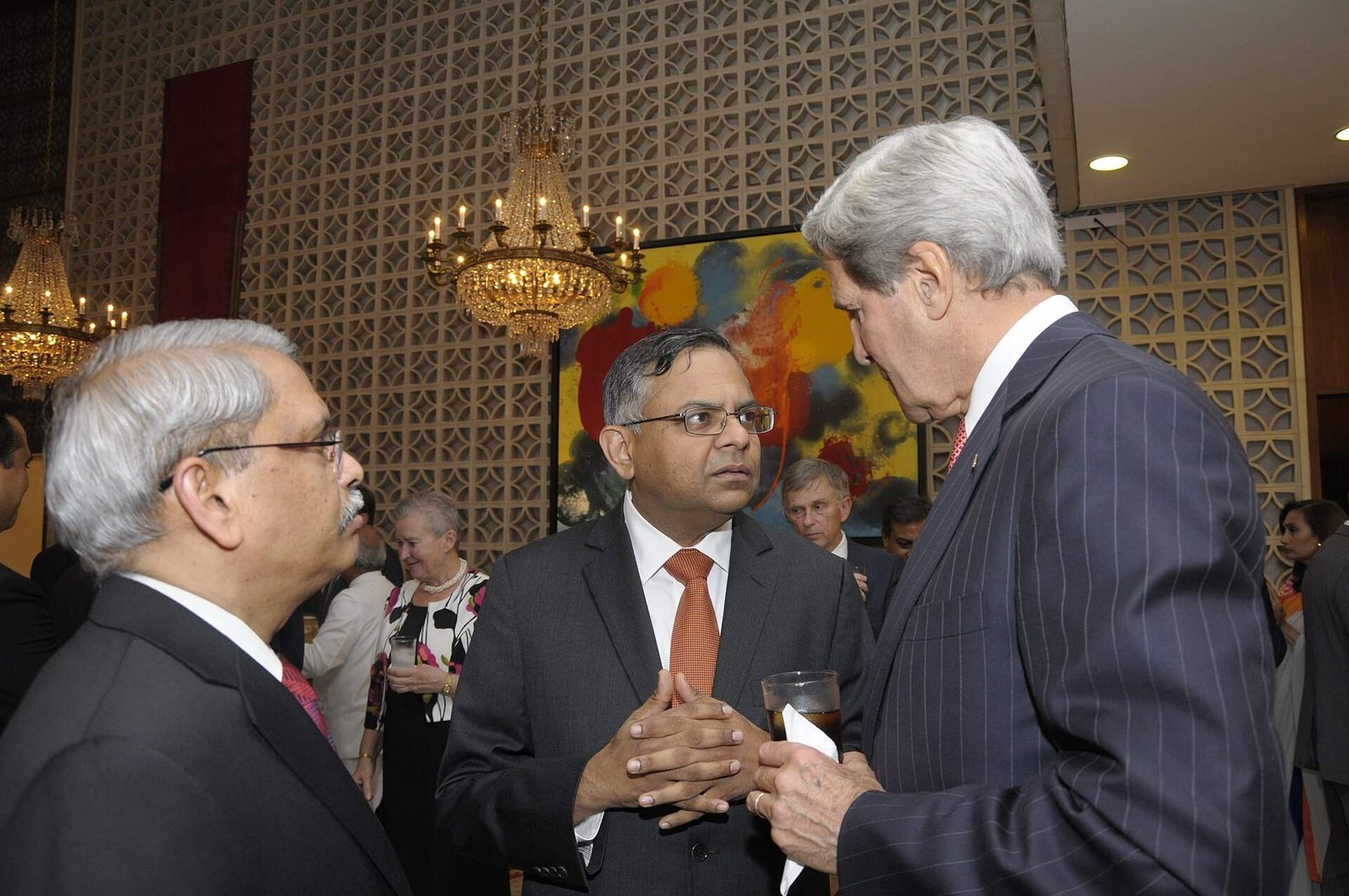

N Chandrasekaran, chairman of India’s Tata Group, will step down when his term ends in February after declining to seek reappointment, ending an eight-year tenure marked by expansion and, more recently, tension with the conglomerate’s controlling charitable trusts.
Chandrasekaran informed the board of Tata Sons, the group’s holding company, that he would not pursue a further term, citing a lack of support for his continuation. His departure removes the first non-family executive to lead one of India’s largest and most influential business houses.
The move follows growing friction between the chairman and Tata Trusts, the philanthropic entity that owns roughly two-thirds of Tata Sons and wields significant influence over its direction. The trusts have historically shaped major decisions at the group, and disagreements over strategy and governance are understood to have strained the relationship.
Chandrasekaran, widely known as “Chandra,” joined Tata Consultancy Services early in his career and rose to become its chief executive before taking the top job at Tata Sons in 2017. He was appointed in the aftermath of a bitter boardroom dispute involving his predecessor, Cyrus Mistry, and was credited with restoring stability across the sprawling conglomerate.
Under his leadership, the group pursued an aggressive expansion strategy spanning airlines, semiconductors, electronics manufacturing and electric vehicles. Tata took control of Air India in 2022, returning the carrier to the founding family after decades of state ownership, and invested heavily in new technology and consumer businesses.
The Tata Group is one of the pillars of the Indian economy, with interests ranging from steel and automobiles to software, hospitality and consumer goods. Its companies employ hundreds of thousands of people and generate revenues that place the conglomerate among the most valuable in the country.
Boardroom transitions at major global firms have drawn heightened attention in recent years, with companies from technology to finance reshaping leadership. Similar shifts have played out elsewhere, including a wave of board and executive changes at Intel as firms respond to competitive and governance pressures.
The succession question now falls to Tata Sons and its controlling trusts, which will need to identify a new chairman to steer the group’s next phase. The decision carries weight well beyond the conglomerate, given Tata’s role in national infrastructure, employment and strategic industries.
Chandrasekaran is expected to complete his current term through the transition, ensuring continuity as the group prepares for new leadership. The naming of his successor will be closely watched by investors, partners and policymakers across India and abroad.