
Japan’s economy expanded at an annualized rate of 1.1% in the April–June quarter, well below market expectations of about 2%, as flat consumer spending and slowing export growth weighed on the world’s fourth-largest economy.
Real gross domestic product, the total value of the nation’s goods and services, rose a seasonally adjusted 0.3% from the previous quarter, Cabinet Office data released Monday showed. The annualized figure marks a sharp slowdown from the 2.1% pace recorded in the January–March period.
Private consumption, a key engine of domestic demand, fell 1.2% compared with the first quarter, underscoring persistent caution among households. Exports edged up 0.5%, buoyed by steady global appetite for Japanese vehicles and semiconductors.
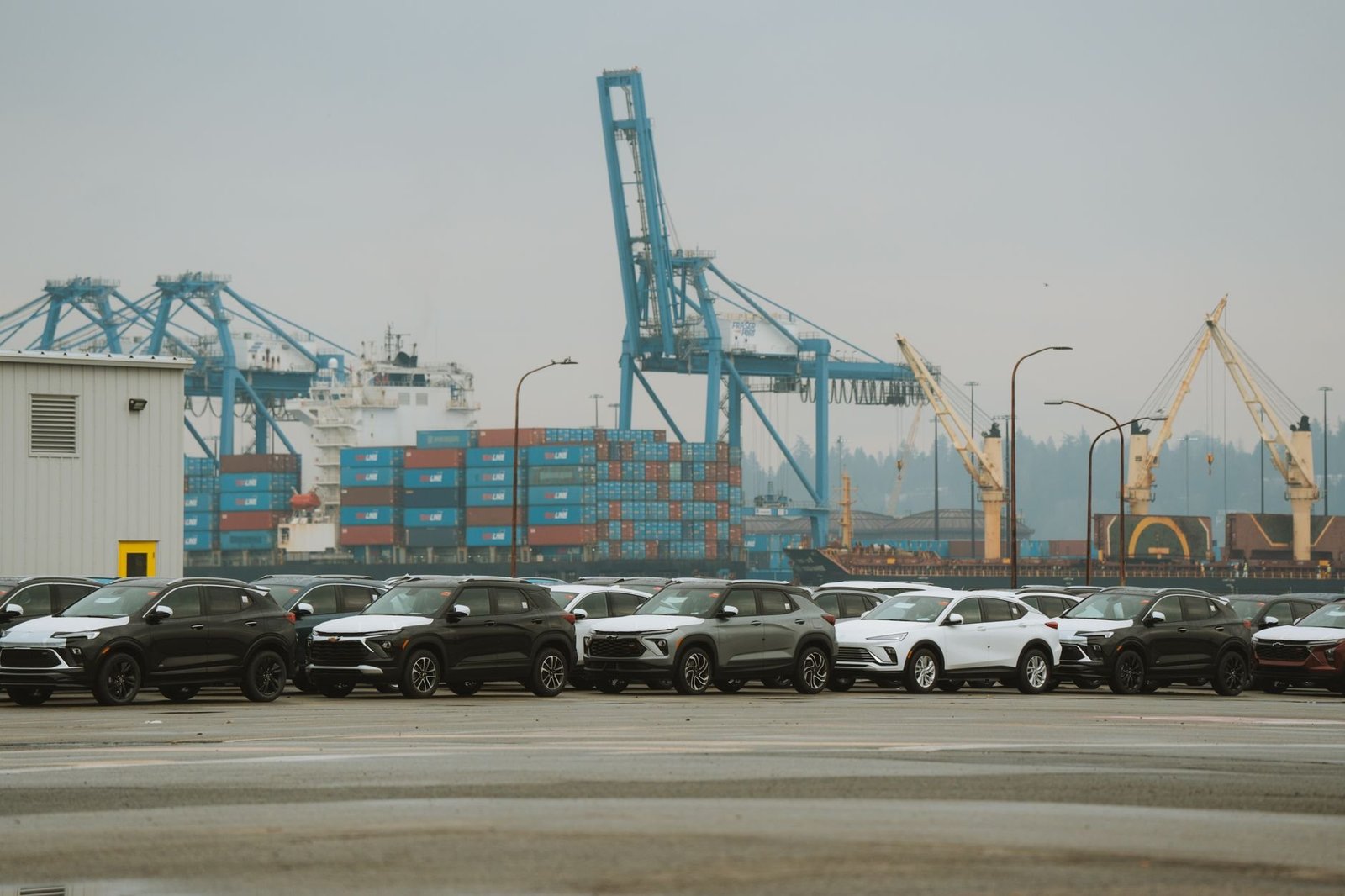
Automakers such as Toyota Motor Corp. and Honda Motor Co. continue to anchor the country’s export base, while demand for computer chips—driven by the rapid expansion of artificial intelligence—has provided additional support. Government consumption climbed 1.6% during the quarter.
The weaker-than-expected reading reflects mounting external pressures on the resource-poor economy. Surging energy costs tied to the war in Iran have proven especially costly for Japan, which imports nearly all of its oil.
The Strait of Hormuz, a critical shipping route carrying Persian Gulf crude to Asia, has been effectively blocked amid the conflict, pushing prices higher. Brent crude has recently traded around $88 a barrel, up from roughly $65 a year earlier, though below the levels above $110 seen earlier this year.
To cushion the impact, Japan has tapped some of its strategic oil reserves and is working to secure alternative supply routes.
The soft quarter mirrors a broader slowdown across major economies. The United States saw growth cool to 1.5% in the second quarter as inflation stayed above target, highlighting shared headwinds from elevated energy prices and cautious consumers.
Analysts will now watch whether stronger export momentum in autos and chips can offset weak household spending in the second half of the year. Much will depend on the trajectory of global energy markets and the resolution of tensions disrupting Gulf oil flows.