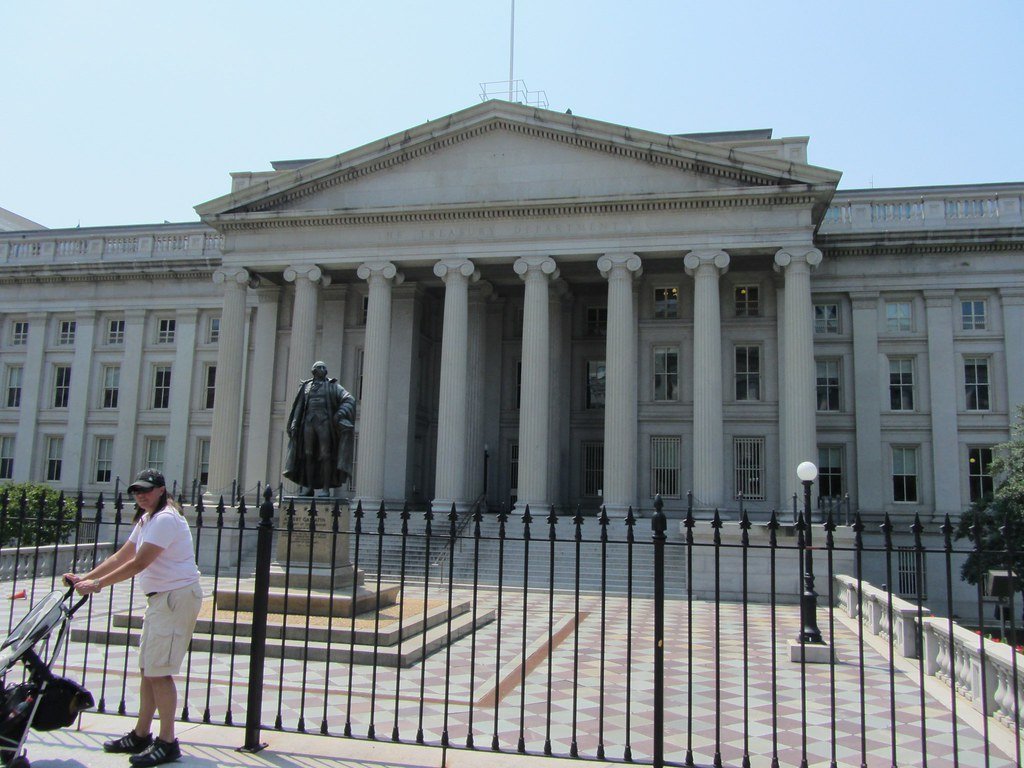

The U.S. Treasury Department announced it will double the size of its debt buyback operations for longer-term securities, a move aimed at steadying a jittery bond market and sending yields lower on August 19.
The expanded buyback program will see the government repurchase larger volumes of outstanding Treasury debt, injecting liquidity into a market that has shown signs of strain in recent weeks. Bond yields, which move inversely to prices, fell following the announcement as investors welcomed the intervention.
Treasury Secretary Scott Bessent has positioned the upscaled operations as a tool to smooth market functioning and manage the government’s debt profile. The buybacks target longer-dated maturities, where price swings have been most pronounced.
Debt buybacks allow the Treasury to purchase older, less-liquid securities from the market, helping to improve trading conditions and reduce the risk of disruptions during periods of volatility. The practice was reintroduced in 2024 after a decades-long pause.
The decision comes as Treasury yields have climbed in recent sessions, with investors weighing signals from the Federal Reserve and shifting expectations around inflation and interest rates. The rise in yields has rippled across financial markets, feeding through to borrowing costs.
Higher long-term yields have already pushed mortgage rates higher and squeezed home buyers in recent months, underscoring the broad reach of movements in the bond market.
Analysts suggest the enlarged buyback effort reflects an attempt to reassure investors that the government stands ready to support market stability, particularly as the volume of Treasury issuance remains elevated to finance federal spending.
The buybacks also come against a backdrop of growing debt supply, as a surge in borrowing across the economy has tested investor appetite for fixed-income assets. Managing that balance has become a central challenge for Treasury officials.
The immediate market reaction saw yields on longer-term Treasurys decline, easing some of the upward pressure that had built in the prior sessions. The scale of the operations signals a more active stance from the department in maintaining orderly conditions.
Treasury officials are expected to continue calibrating the size and frequency of buybacks based on market conditions, with further operations anticipated in the coming weeks as the government navigates its financing needs.