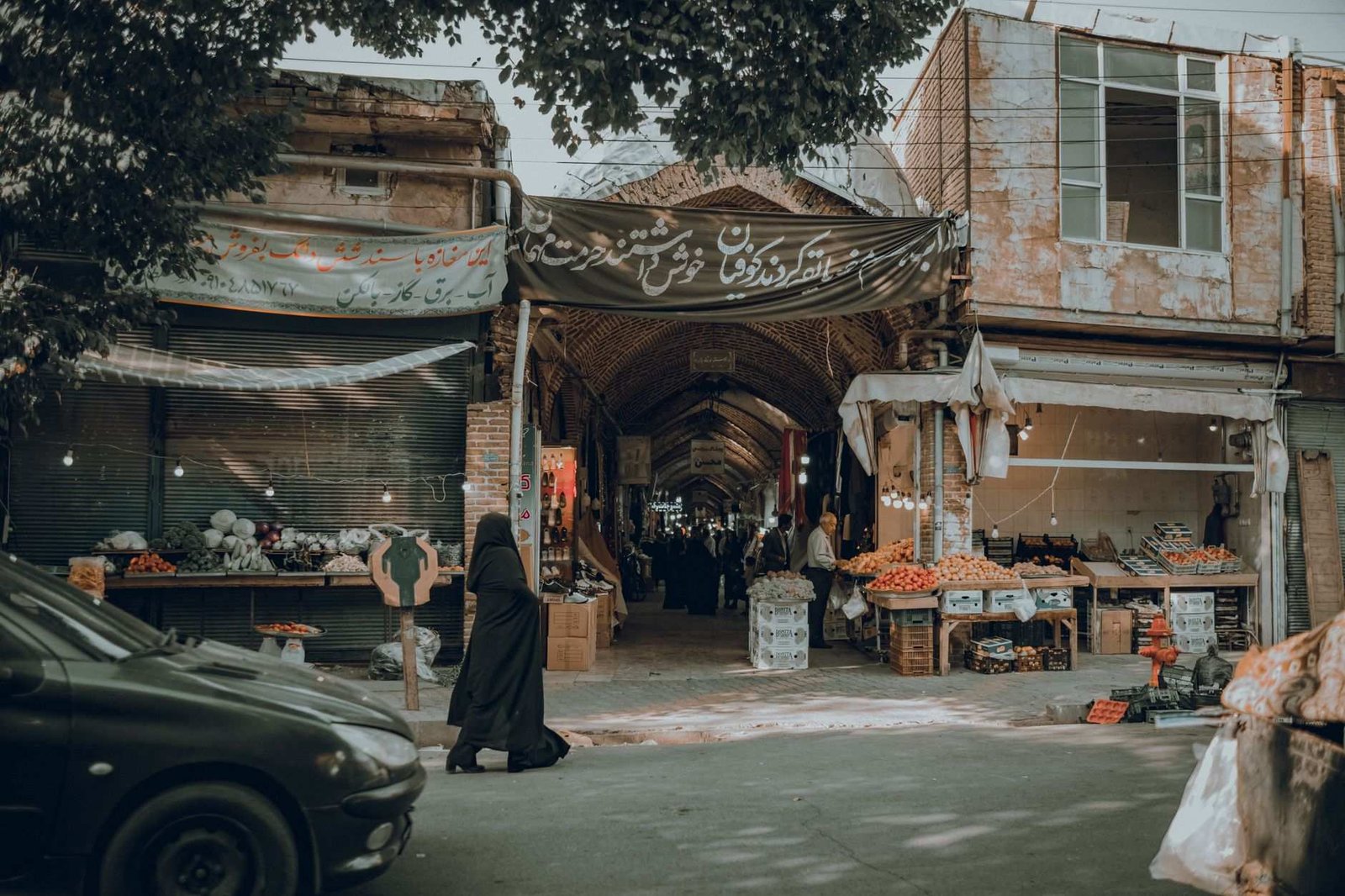

Tehran’s grocery shelves remain stocked, but many Iranian families can no longer afford basic food and medicine as a US-led naval blockade and sanctions grind through the economy nearly six months into the war with the United States and Israel. Vice President JD Vance defended the campaign on Thursday.
Unemployment is climbing, and Iranians who still have work are logging longer hours for wages worth roughly half what they were a year earlier. Only heavily subsidized gasoline remains within easy reach for most households.
“We have virtually given up on many things,” said Ahmad Karimi, 52, a taxi driver and father of two working 15-hour days. “We’re cutting out fruit, we’re cutting out protein, we’ve given up leisure, we even work on weekends.”
The blockade has made it extremely difficult for Iran to export oil, its most valuable product. Vance described Washington’s strategy as economic rather than military, calling the approach the surest route to its objectives in the region.
“What has been true over the last couple of weeks is they felt a lot more pressure than we have,” Vance said, characterizing the effort as “a delicate dance.”
Iran has answered with pressure of its own. Since the war began, it has attacked oil-rich neighbors and US bases across the region and disrupted shipping in the Strait of Hormuz, its main strategic lever. The disruption is pushing global energy prices higher.
Tehran is using that retaliatory leverage to seek an end to the war on favorable terms. It is pressing for sanctions relief and seeking enough control over the strait to demand payment from ships carrying energy and other goods through the waterway.
The conflict began as an effort to curb Iran’s nuclear program. The Trump administration is now promising tougher sanctions to force concessions, having earlier framed the campaign as economic warfare against Tehran and warned other nations against aiding it.
Some analysts question how quickly the pressure will yield military or political concessions. They caution that Washington may be underestimating how long the Islamic Republic can absorb the strain.
For now, Iranian households continue to shoulder the cost. Grocery stores stay full, but purchasing power keeps falling, and the government has signaled no shift in its position on the strait or its nuclear demands.