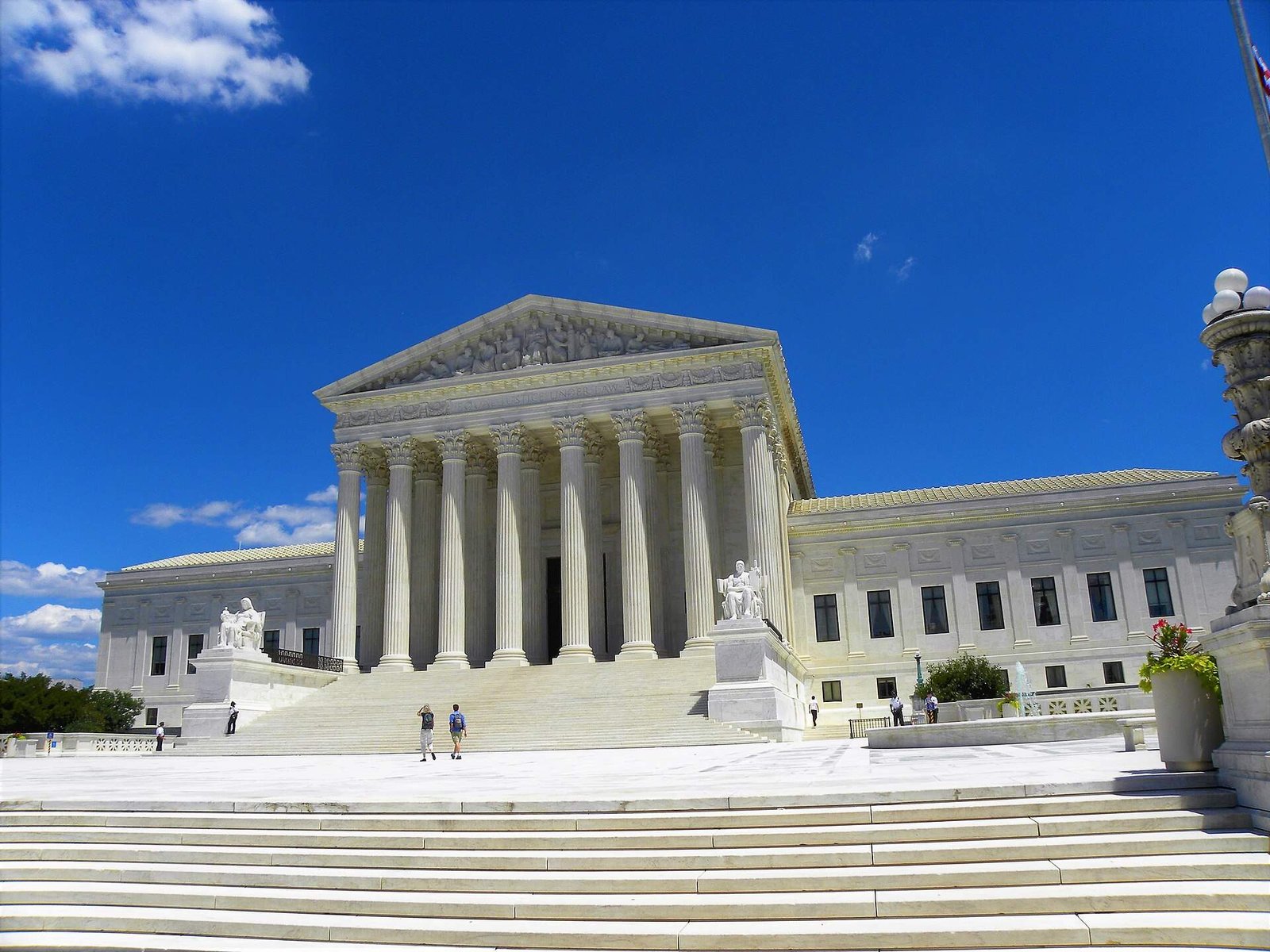

The US Supreme Court on Monday cleared the way for President Donald Trump to enforce his executive order restricting mail-in voting, lifting a lower-court injunction that had blocked the measure across 23 states and Washington, DC.
The unsigned order was issued over the dissent of the court’s three liberal justices. It allows the administration to begin implementing the directive, though the decision leaves room for further legal challenges that could slow its rollout before the midterm elections.
Mail balloting has long been a target of Trump, who has repeatedly claimed without evidence that the practice invites fraud. The executive order seeks tighter federal controls on how mail-in ballots are processed and counted.
The US Postal Service last week set out how it would carry out the order. Time is short to impose major operational changes, with several states already preparing ballots and voting systems for the coming election cycle.
It is unclear how much of the order the administration can put in place before voters go to the polls. Election officials in affected states will need to adjust procedures quickly if the changes take effect.
The ruling follows the administration’s earlier request that the court revive the mail-in voting order before the midterms after it was halted by lower courts. The order had faced objections from state officials who argued it would disrupt established voting systems.
Vote-by-mail expanded sharply during the 2020 election and remains widely used across the country. Its rules vary by state, and any federal change intersects with authority traditionally held by state governments.
The court’s decision does not resolve the underlying legal questions. Additional litigation over the order’s scope and legality is expected to continue in lower courts.
Further hearings on the matter are anticipated as challengers pursue their claims before the midterm vote.