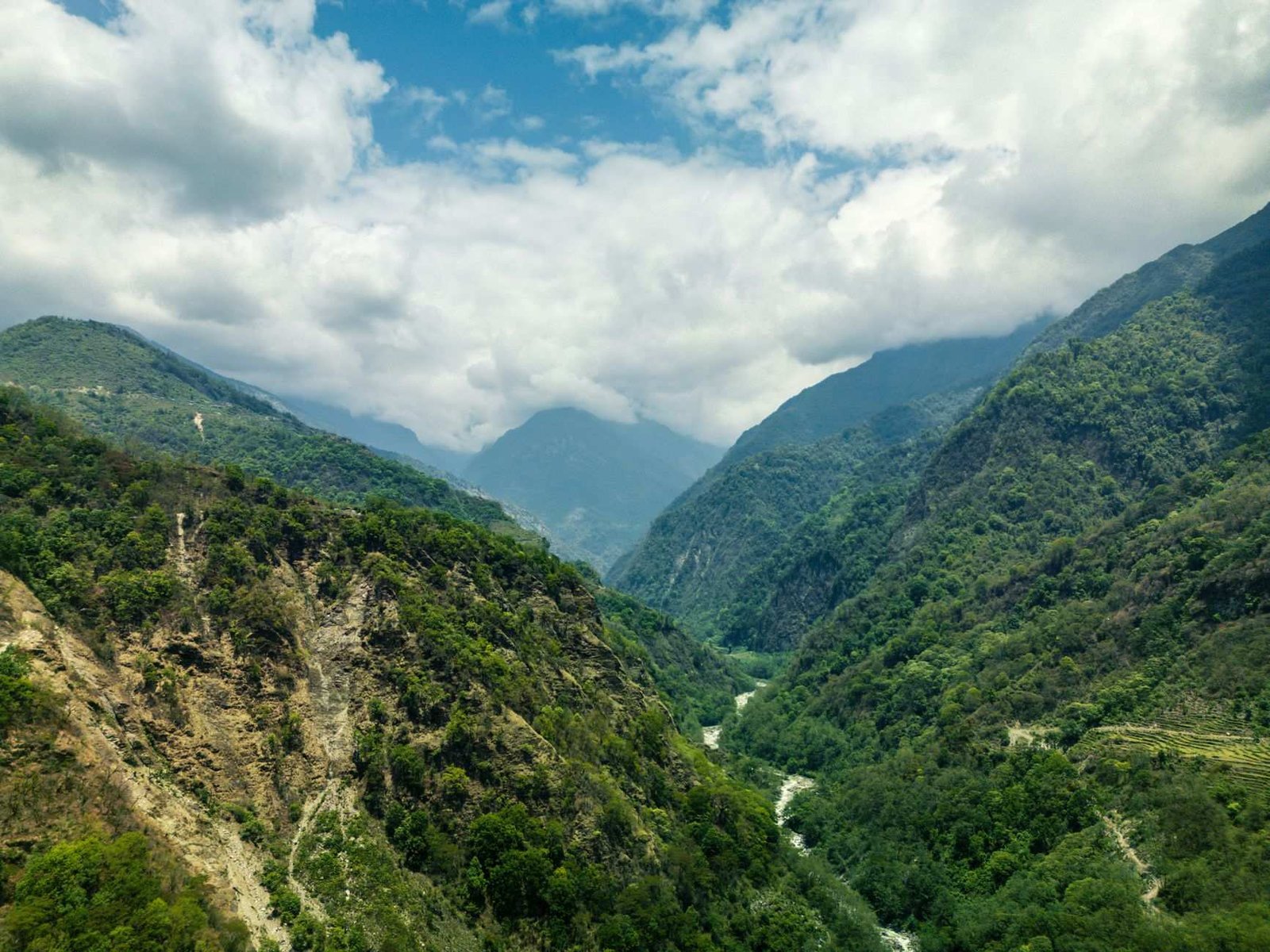

Rescue teams in Nepal and China searched for hundreds of missing people on Tuesday, August 26, after flash floods and an avalanche tore through Himalayan valleys, killing at least 98 people and washing away homes, roads and bridges along the Bhotekoshi river.
Officials in Nepal reported that at least 403 people remained unaccounted for, among them 47 citizens of the United States. The combined toll across the two countries made the disaster one of the deadliest monsoon-season events in the region this year, with the number of confirmed dead expected to climb as access to cut-off villages improves.
The avalanche-driven floods swept down from high-altitude glacial terrain, sending walls of water and debris through settlements strung along the river. Entire villages were carried away, and photographs from the affected districts showed collapsed houses, buried vehicles and severed sections of road that once linked remote communities to larger towns.
For families in the worst-hit valleys, the practical damage is immediate. Destroyed bridges and blocked highways have isolated survivors, complicating the delivery of food, clean water and medical aid while relatives wait for news of those still missing.
Northern Nepal and neighbouring parts of China bore the brunt of the flooding, which struck during a monsoon season that has repeatedly triggered landslides and river surges across the wider Himalayan belt. The region’s steep terrain and heavy seasonal rainfall leave communities exposed when glacial melt and sudden downpours combine.
Similar events have hit the region in recent years, including the torrential rain and flooding that devastated parts of northern China and forced large-scale rescue operations.
Search and recovery efforts continued through Tuesday as helicopters and ground crews reached areas where the water had receded. With hundreds still missing and infrastructure severely damaged, authorities warned that reaching every affected settlement could take days.