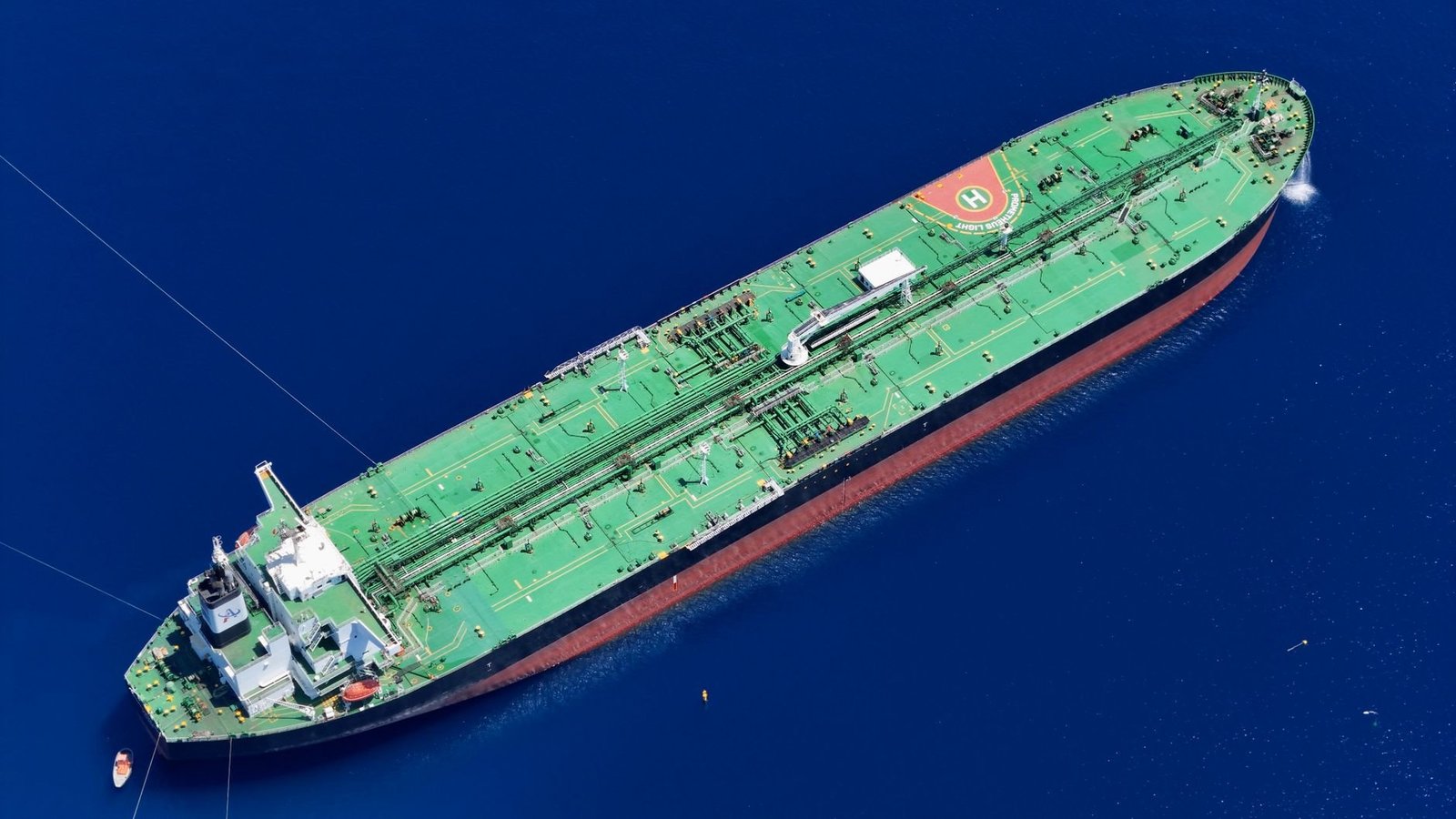

Iran said on Thursday it would draft formal conditions for reopening the Strait of Hormuz, responding to requests from mediating countries that have sent delegations to Tehran to revive stalled negotiations. The waterway, a route for roughly a fifth of global oil shipments, has been closed to normal traffic during the conflict.
Tehran linked any reopening to a broader halt in regional fighting. Iranian officials said the war in the Gaza Strip must end, that Israel must withdraw from Lebanon, and that attacks on Syria must stop before the strait returns to full operation.
Mediators, including Oman, have shuttled between the parties in an effort to lower the risk of a wider war. Delegations arrived in Tehran this week to press for terms that could be presented to Washington and its allies. Iran’s stance couples the maritime question to the wider conflict rather than treating it in isolation.
US President Donald Trump has reportedly rejected a return to the arrangement discussed in June. That earlier framework would have restored elements of a prior understanding on the strait, but the terms are now viewed in Washington as insufficient given events on the ground.
The strait carries crude from Saudi Arabia, Iraq, Kuwait, the United Arab Emirates and Iran itself, making its status a central concern for energy markets. Its closure has kept oil prices elevated and disrupted shipping schedules across the Gulf.
Earlier reporting had noted progress between Tehran and Oman on a possible reopening, though the latest Iranian position sets a higher bar by attaching regional demands. The gap between Iran’s conditions and Washington’s rejection of the June terms leaves the negotiating track uncertain.
Iran has not published the full text of its conditions. Officials said the terms are being prepared for delivery through the mediating states rather than in direct talks with the United States.
As of Thursday, the strait remained closed to routine commercial passage while diplomatic exchanges continued.