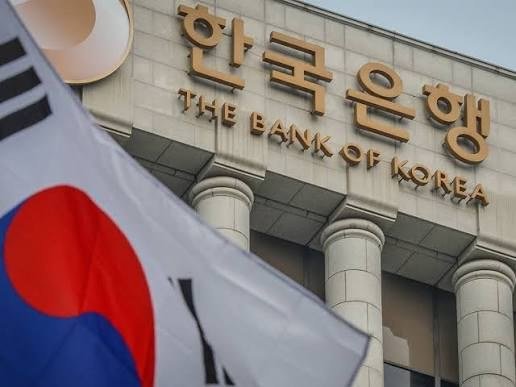

The Bank of Korea lifted its benchmark interest rate by 25 basis points to 3.0% on Thursday, a second consecutive increase after an identical move took the rate to 2.75% in July. The tightening arrived alongside upgraded growth forecasts for Asia’s third-largest economy.
The back-to-back hikes brought the benchmark to a level policymakers had held before easing began, reversing course as inflation, a weak won and rising home prices pressed on the outlook. Two 0.25-point moves in as many months mark the fastest tightening pace in this cycle.
Room to act came largely from the semiconductor sector. A chip and AI boom, confirmed by Nvidia’s second-quarter results, has fed export earnings and supported the won, giving the central bank cover to confront domestic price pressures without choking overall demand.
The trade-off falls on indebted households and small businesses. A higher benchmark deepens the servicing squeeze on borrowers already carrying heavy debt, and analysts flagged rising home prices as a factor the bank wanted to cool with the latest 0.25-point step.
The AI-driven export surge that underpinned the decision has also lifted local equities, with chip names leading a record run for the KOSPI earlier in the cycle. That strength in the won and in export receipts is what separated Seoul’s tightening path from more cautious neighbours.
The stance contrasts with the Bank of Japan, which has moved slowly on rates against a softer domestic backdrop. South Korea’s position, backed by chip demand rather than broad wage growth, gave policymakers a narrower but firmer case for a second hike.
One analyst called the move a “strong signal” that the central bank would prioritise inflation and financial stability over relief for leveraged borrowers, at least while export earnings held up.
With the benchmark now at 3.0%, traders will watch whether a third consecutive increase follows or whether the bank pauses to gauge the household-debt strain before the next policy meeting.