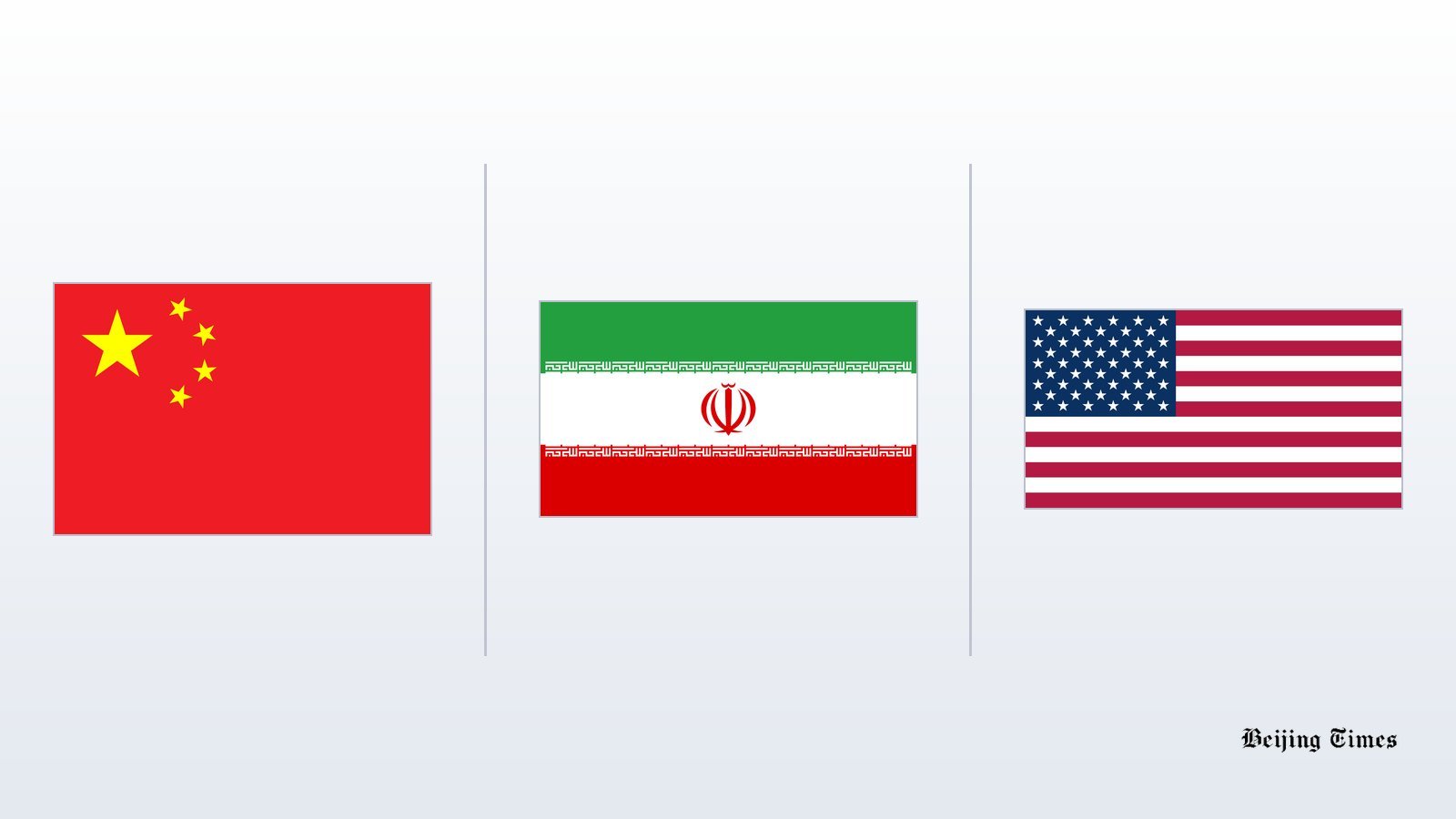

With a high-stakes meeting with Washington weeks away, Chinese President Xi Jinping granted Iranian President Masoud Pezeshkian only a brief, low-profile audience on the sidelines of the Shanghai Cooperation Organisation summit this week. The measured reception reflected Beijing’s effort to avoid appearing too close to Tehran before Xi’s anticipated talks with U.S. President Donald Trump.
The gathering, held in the Central Asian region as the bloc marked its 25th anniversary, brought together leaders from China, Russia and several Central Asian states, alongside guests including Iran. Xi’s careful handling of Pezeshkian suggested a deliberate distance rather than the warm partnership Tehran might have sought.
China has spent months preparing for a summit with Trump that touches on nuclear diplomacy, trade tariffs and sanctions. Beijing’s calculation appears straightforward: a public embrace of Iran, currently locked in confrontation with the United States, could complicate those negotiations before they begin.
The SCO began in 2001 as a modest mechanism for managing borders between China, Russia and four Central Asian neighbours. A quarter-century later, the bloc has widened its membership and ambitions, and now presents a forum that Washington finds harder to dismiss than in earlier years.
Its expansion comes as two unresolved conflicts shadow global politics. Russia’s war in Ukraine grinds on without a settlement, while the confrontation between Iran and the United States has turned the Persian Gulf into another theatre of strategic competition, unsettling energy markets in the process.
Unlike NATO, the SCO carries no mutual-defence treaty and no formal alliance structure. That looser design allows members with competing interests to coordinate selectively while chipping away at U.S. influence across Eurasia, without committing to the obligations a Western-style bloc would impose.
For Beijing, the balancing act is delicate. It seeks to preserve its role as a convening power among non-Western states while protecting a working relationship with Washington that carries far greater economic weight. The brief exchange with Pezeshkian illustrated how China intends to manage that tension in the open.
Trump had earlier weighed delaying the China summit as tensions with Iran mounted, adding weight to Xi’s caution about being seen alongside Iranian leadership at this moment.
The coming weeks will test whether Beijing can maintain that posture. As preparations for the Xi-Trump meeting advance, China’s diplomatic choices at multilateral gatherings will continue signalling how far it is willing to align with Tehran while courting Washington.