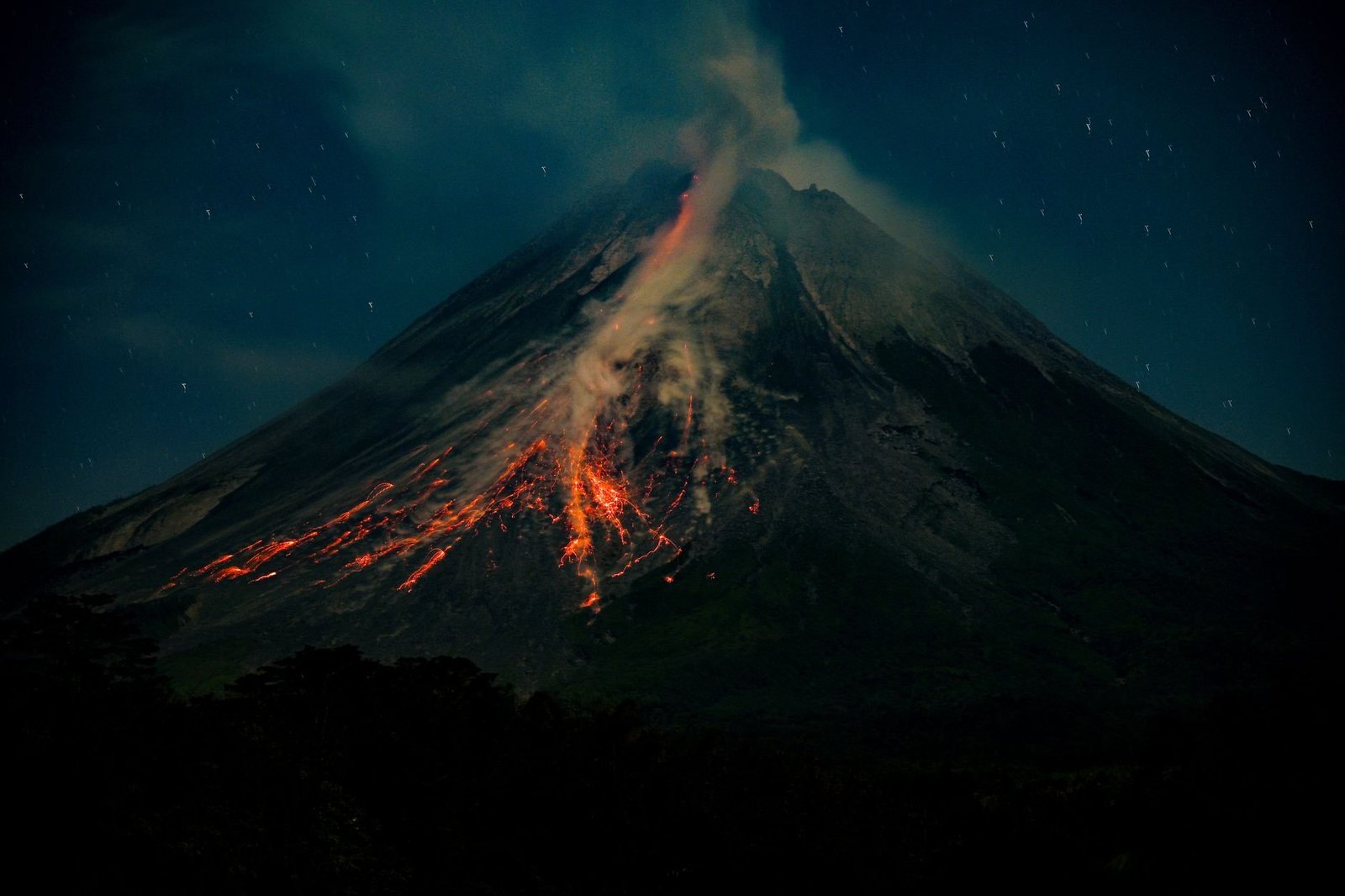

Mount Anak Krakatau erupted this weekend, disrupting hundreds of flights across Indonesia and stranding travelers at Southeast Asia’s second-busiest airport as cancellations stretched into Monday. The volcano, located in the Sunda Strait between Java and Sumatra, sent volcanic ash into flight paths serving Jakarta and surrounding regions.
Airlines grounded or diverted large numbers of departures and arrivals as ash clouds made airspace unsafe. Volcanic ash poses a serious hazard to aircraft, capable of damaging engines and abrasively scouring cockpit windows, which forces carriers to suspend routes rather than risk flying through affected corridors.
For passengers, the disruption meant long queues, rebooked itineraries, and overnight waits at the terminal, with many regional connections thrown into disarray. The ripple effect extended beyond Jakarta, complicating travel plans for those moving between Indonesian islands and neighboring countries.
Anak Krakatau, whose name means “child of Krakatau,” emerged from the sea in the decades after the catastrophic 1883 eruption of Krakatau, one of the deadliest volcanic events in recorded history. The younger cone has remained one of Indonesia’s most closely watched volcanoes, with periodic bursts of activity monitored by national geological authorities.
Indonesia sits along the Pacific “Ring of Fire,” a zone of intense seismic and volcanic activity, and hosts more active volcanoes than any other nation. Eruptions that interfere with air travel are a recurring challenge for a country whose economy leans heavily on inter-island aviation and international tourism.
Such weather- and hazard-driven groundings echo the broader pattern of aviation shutdowns seen elsewhere this year, from conflict zones to fuel-cost pressures that have already reshaped regional carrier schedules.
Airlines and airport operators now face the task of clearing the backlog of delayed passengers once ash conditions ease, while aviation authorities continue tracking the volcano’s activity to determine when airspace can safely reopen. Rebooking and route resumption will depend on how quickly the plume disperses in the coming days.