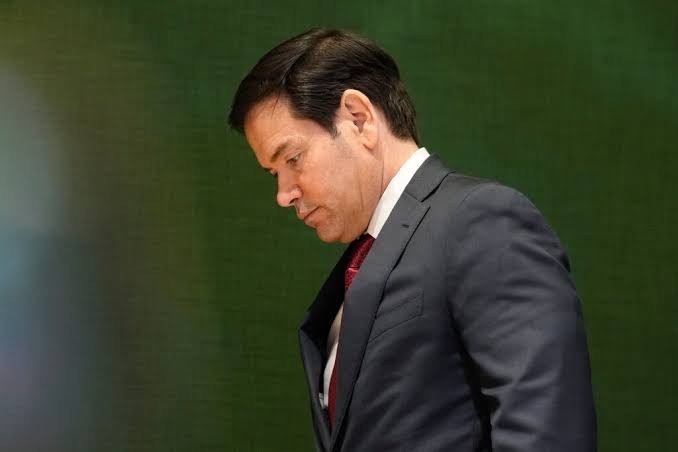

Barranquilla, on Colombia’s Caribbean coast, hosted U.S. Secretary of State Marco Rubio on Tuesday as he opened a three-nation Latin American tour meant to advance Washington’s counter-drug agenda and expand its economic footing in the region.
Rubio met President Abelardo de la Espriella, who took office a month ago and has embraced Trump administration positions on drugs, migration and energy. It was the first visit by a cabinet-level U.S. official since the Colombian leader was sworn in.
The two leaders planned to sign a civil nuclear cooperation agreement and a critical minerals accord during the visit. Colombia’s ties to China also featured on the agenda, including its participation in the Belt and Road Initiative and Chinese investment in critical infrastructure, a Colombian official said.
De la Espriella is among a new group of right-wing leaders elected across a region that had leaned leftward for much of the past two decades. Rubio framed the shift as part of a broader realignment toward Washington.
“We have a lot of common interest with them, both taking on regional transnational criminal terrorism and also economic engagements,” Rubio told reporters. “It’s part of a trend that you’re seeing in the Western Hemisphere of alignment with U.S. and U.S. interests.”
The tour follows an oil agreement sealed a week earlier with Venezuela, where acting President Delcy Rodríguez agreed to give the United States control of roughly one-fifth of the country’s oil reserves, the largest in the world. The energy pacts were finalized during a separate U.S. delegation’s visit to Caracas to complete the oil arrangements.
Rubio defended that deal, arguing the fields had been “once dominated by China and Russia and Iran” but never developed for production. Pressed on why his itinerary skipped Venezuela, he said he would travel there “eventually” but lacked time to add the stop on this trip.
The broader U.S. push comes as the Trump administration steps up military operations against drug trafficking in the hemisphere while seeking to improve its energy standing and curb illegal migration.
Rubio’s remaining stops on the tour take him to Ecuador and Peru, where he is expected to meet leaders who have similarly signaled alignment with Washington’s regional priorities.