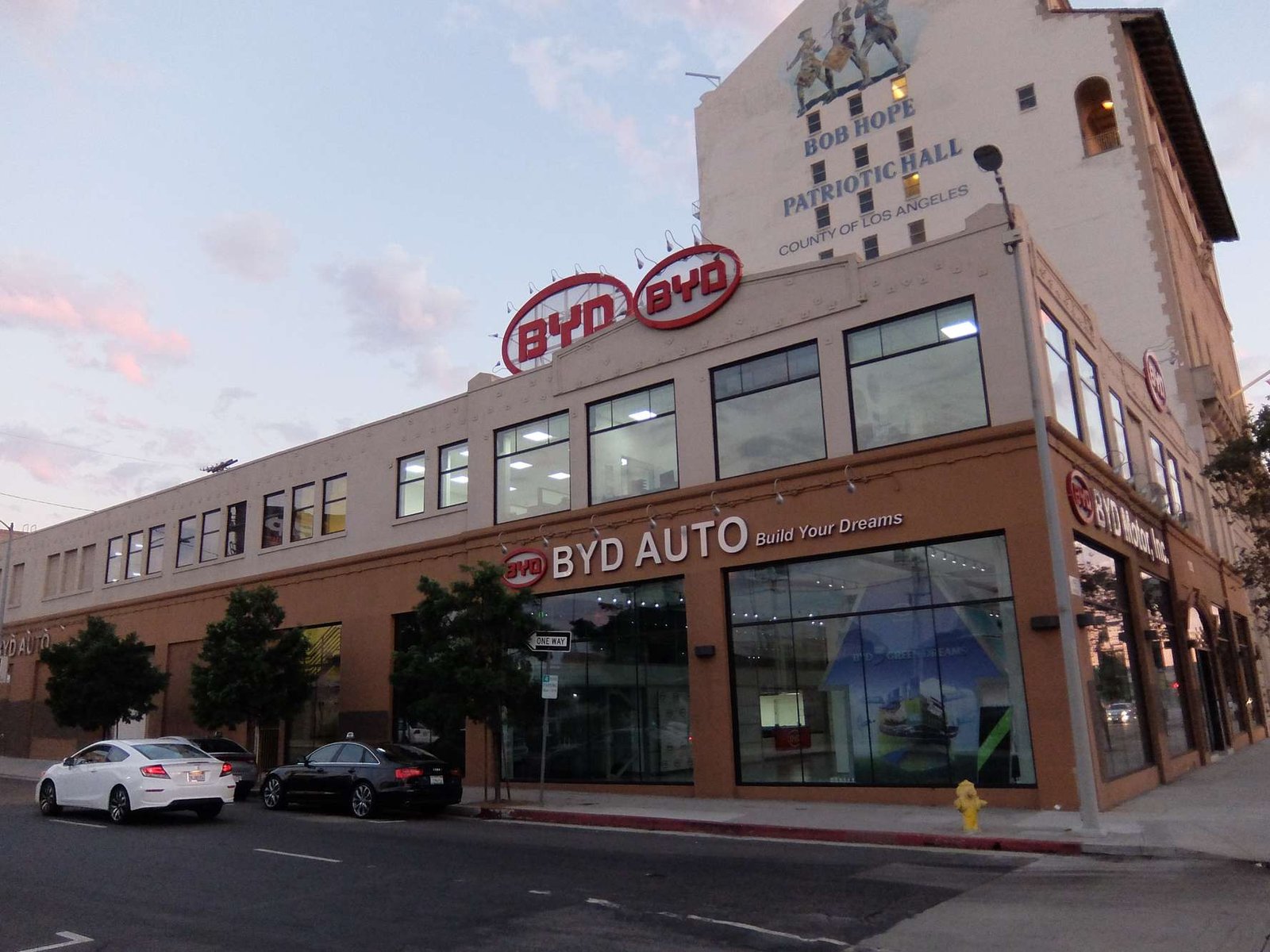

On Wednesday, as expected EU local content rules approach, Chinese carmakers are combing Europe for existing factories they can buy or share, BYD’s European adviser Alfredo Altavilla told Reuters, describing rivals’ executives whom he repeatedly runs into in airport lounges on the same search.
The manufacturers are focused on scouting existing car assembly plants rather than building from scratch, a route that would let them start production far more quickly. The main consideration, Altavilla said, is how much it would cost to refurbish a chosen site.
Spain and France remain the “most actionable” options for BYD, China’s biggest electric vehicle maker, because they offer “decidedly simpler situations,” he said at the opening of a new dealership for BYD’s premium Denza brand in Turin, Italy. “We have to find something to buy now and restore it with relatively little money… quickly,” he said, adding that he was flying to England after the event to inspect another plant.
The push comes as Brussels drafts ‘Made in Europe’ rules that will set minimum local content limits for electric vehicles sold in the bloc. The rules are being drawn up but are expected to be introduced as soon as next year.
Several deals to share production lines at underused European plants owned by legacy automakers are already in place. Leapmotor and Dongfeng have struck partnerships with Stellantis in Spain and France respectively, Geely has teamed with Ford in Spain, and Chery has joined a local partner to take over a former Nissan plant in Spain.
Unlike its rivals, BYD wants to buy, fully own and refurbish an existing factory to speed up localized production. The company is at the initial stage of production at its first European passenger car plant in Hungary and expects to select the site for a second European facility by the end of the year. Longer term, Altavilla said BYD would eventually need “three assembly plants and one battery plant” in Europe.
Other countries remain under consideration alongside Spain and France, he said. Italy has slipped to “plan B” because Stellantis is unwilling to sell any plants. “I cannot buy something that is not for sale,” he said.
The scramble reflects the wider shift as Chinese carmakers adapt their European strategy under mounting trade barriers. For workers at Europe’s idled or underutilised plants, the hunt could mean revived assembly lines and refurbishment spending, provided a buyer and a saleable site align.