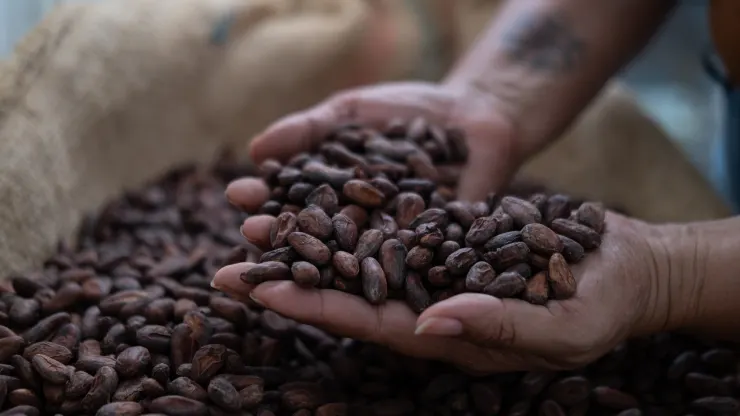

A specific segment of global agriculture is experiencing significant pricing pressure, and it’s creating a bittersweet situation. Over the past year, cocoa prices have more than tripled, posing a substantial challenge for candy makers and food companies that rely on this crucial ingredient for chocolate production.
Historically, cocoa prices hovered around $2,500 per metric ton. However, reports of a weaker-than-expected crop have sparked concerns about supply, leading to a dramatic increase in prices. In April, cocoa prices soared to an all-time high of over $11,000 per metric ton. While the surge has eased slightly, the current prices remain well above what food companies are accustomed to paying.
For the moment, major candy manufacturers such as Hershey, Mars (maker of M&M’s), Ferrero (owner of Kinder), and Mondelez (parent company of Cadbury) are somewhat insulated from the immediate impact of higher cocoa costs. This protection comes from long-term contracts that lock in commodity prices, shielding them from market volatility. However, as these contracts expire, these companies will likely face significantly higher cocoa costs by 2025.
Steve Rosenstock, the consumer products lead at Clarkston Consulting, highlights the substantial impact on these companies’ operations. “This is absolutely impacting the ways in which these companies are managing their businesses, just because the cost impact is so incredibly significant,” Rosenstock explains.
The current situation is forcing companies to rethink their strategies. With the possibility of sustained higher costs, they may need to adjust their pricing structures, explore alternative ingredients, or invest in supply chain efficiencies to mitigate the impact. The long-term effects on the chocolate industry and consumer prices remain uncertain, but it is clear that significant changes may be on the horizon.
In addition to immediate operational concerns, the cocoa price surge underscores broader issues within global agriculture. Supply chain vulnerabilities, climatic changes, and market dynamics play critical roles in determining commodity prices. As such, the recent cocoa price increase serves as a reminder of the importance of sustainable and resilient agricultural practices.
Looking ahead, candy makers and food companies will need to navigate these challenges carefully. While current long-term contracts provide some respite, the inevitable cost adjustments will require strategic planning and innovation. As 2025 approaches, the industry must prepare for a new pricing reality, balancing the need for profitability with consumer expectations and market competition.
In conclusion, the cocoa price surge presents a complex challenge for the chocolate industry. With significant cost implications and potential changes in market dynamics, candy makers and food companies must adapt to ensure sustainable operations and continued growth in a volatile agricultural landscape.
READ MORE: