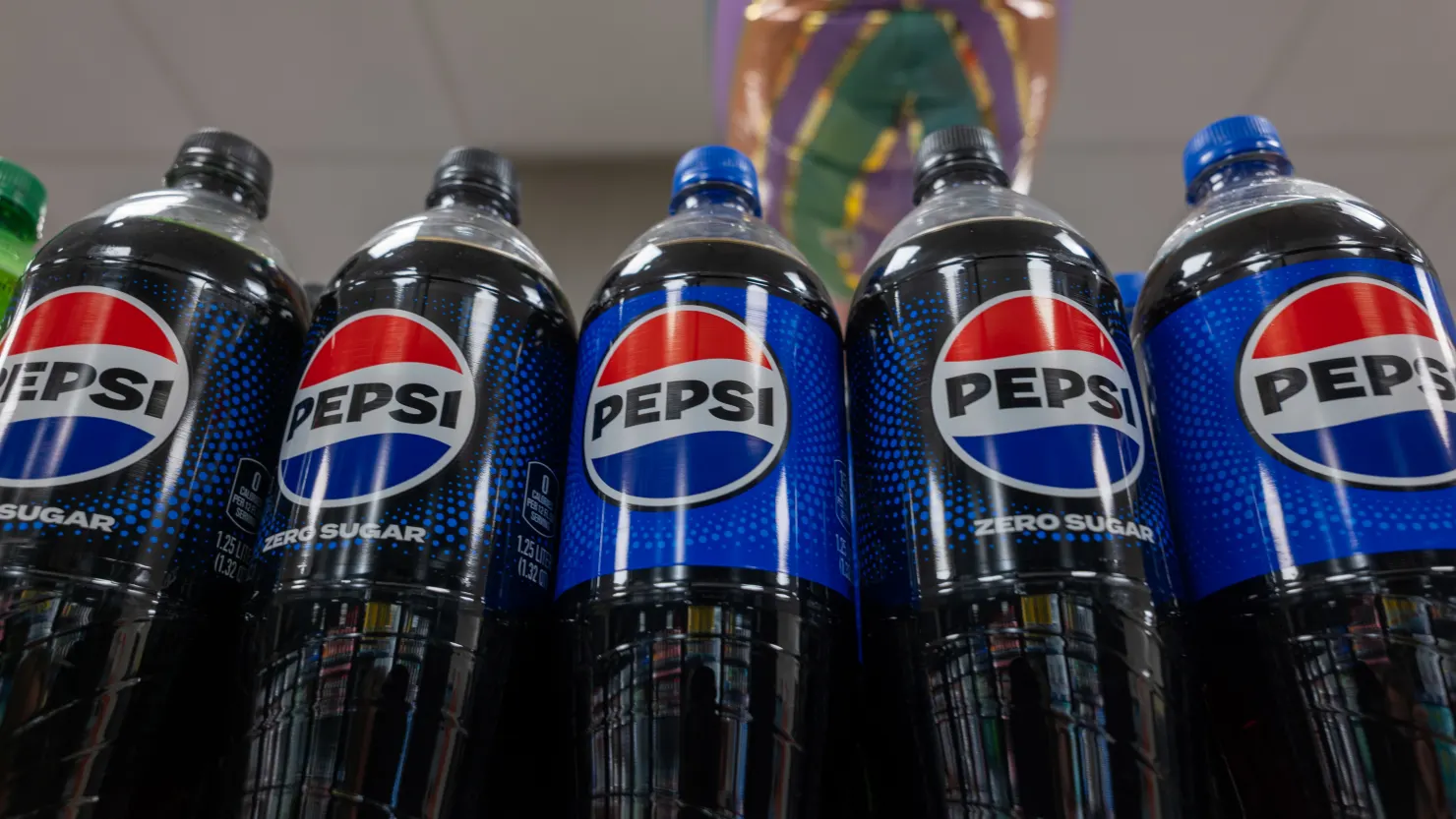

PepsiCo delivered mixed first-quarter results as strong international performance helped counterbalance weaker demand in North America. The company also lowered its full-year earnings forecast due to economic volatility, new tariffs, and cautious consumer behavior.
PepsiCo now expects its core constant currency earnings per share to remain flat compared to last year, revising its earlier projection of mid-single-digit growth. The company maintained its forecast for a low-single-digit increase in organic revenue. CEO Ramon Laguarta warned of further volatility in global trade and increased supply chain costs, while noting subdued consumer sentiment in multiple markets.
For the quarter, PepsiCo reported net income of $1.83 billion, or $1.33 per share, down from $2.04 billion, or $1.48 per share, a year earlier. Excluding restructuring charges and other items, adjusted earnings per share came in at $1.48, slightly below analysts’ expectations of $1.49. Net revenue reached $17.92 billion, topping the $17.77 billion estimate despite marking a 1.8% decline from the previous year. Organic revenue rose by 1.2%, reflecting strength in international markets.
However, global volumes declined. The convenient foods division saw a 3% volume decrease, while beverages were flat overall. In North America, food volume fell by 1%, and beverage volume dropped by 3%. PepsiCo’s leadership acknowledged that persistent inflation has made consumers more value-focused, shifting shopping patterns and tightening budgets. These changes have affected brand and channel choices.
To address these trends, PepsiCo is pursuing a number of strategic initiatives aimed at revitalizing its North American business. The company is focusing on multicultural and functional food categories, expanding brands like Simply, Sabra, and Siete. Additionally, PepsiCo recently acquired Poppi, a prebiotic soda brand, and plans to introduce more protein-rich products in response to demand from health-conscious consumers, including those taking GLP-1 medications.
PepsiCo is also intensifying efforts to eliminate artificial ingredients. Following the FDA’s decision to phase out synthetic dyes, the company plans to transition Lay’s and Tostitos away from artificial colors by 2026. Though the shift may take longer than the agency’s deadline, PepsiCo aims to ensure that all consumers have access to products with natural color options. Currently, around 60% of its portfolio is free from artificial dyes.
Despite overall challenges, there were some strong performers. Pepsi Zero Sugar helped increase market share, while snacks like Miss Vickie’s chips and Quaker rice cakes delivered positive revenue growth. PepsiCo also continues to focus on improved in-store visibility and product availability to drive sales.
READ MORE: