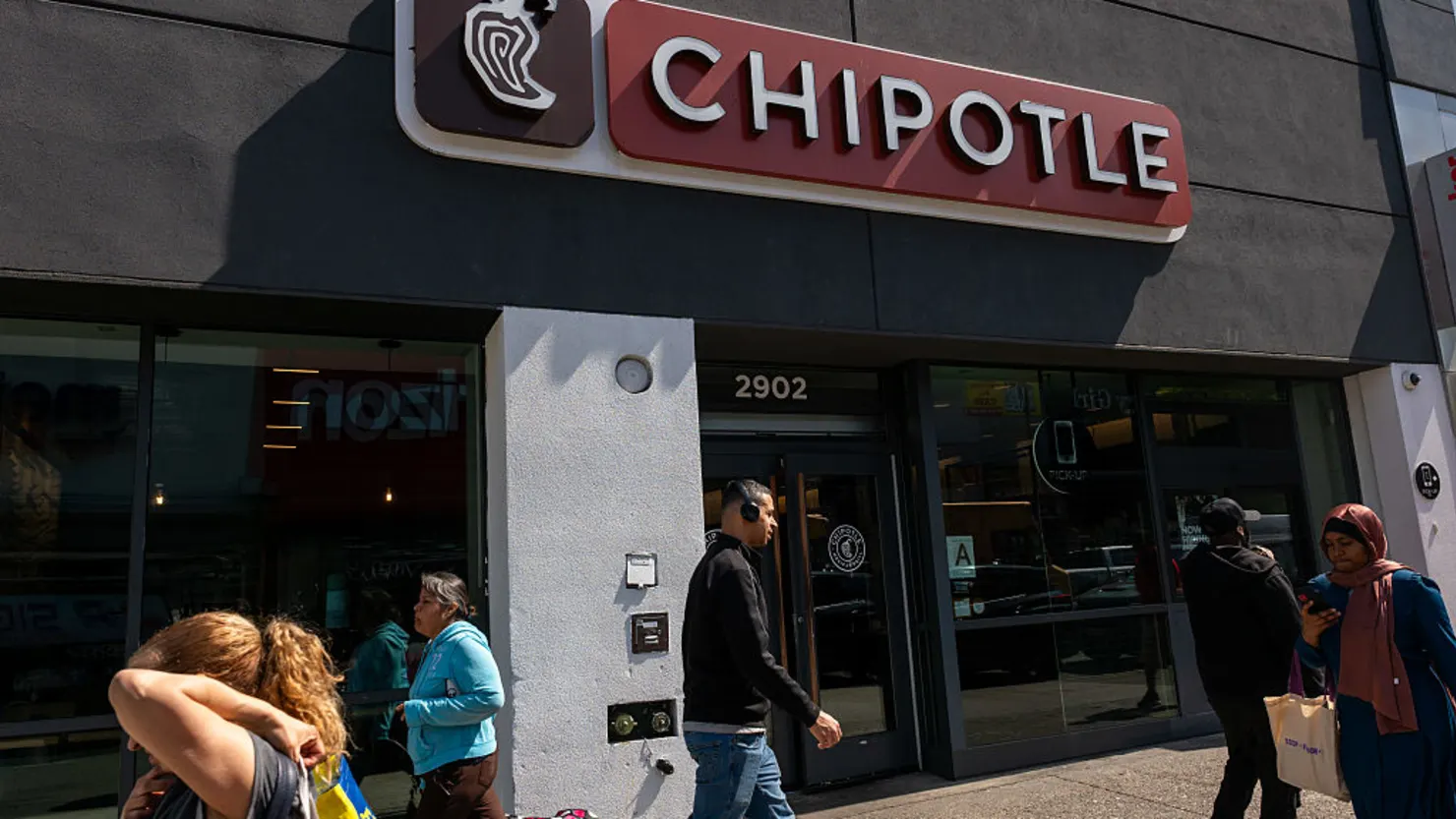

Consumer companies across various sectors are cutting their financial forecasts as tariffs continue to raise costs and dampen consumer sentiment. Major players, including Procter & Gamble, Chipotle, and Hasbro, are adjusting their outlooks, anticipating lower earnings and slower sales due to increasing import duties and rising inflation fears.
More than a dozen companies have already revised or withdrawn their full-year guidance during this earnings season, with many citing tariffs on essential commodities such as Peruvian avocados and saccharin, which are driving up production costs. Beyond raw materials, the unpredictable trade environment is creating a ripple effect, with many consumers pulling back on spending out of economic concern.
Currently, most imports face a 10% duty, while certain goods, particularly those from China, are subject to tariffs as high as 145%. Although there is a temporary 90-day pause on the higher rates, uncertainty remains. Officials suggest that a resolution may be forthcoming, and exemptions may be granted for industries like automotive. However, businesses continue to face increased costs on items such as coffee, board games, and aircraft, with many forced to consider raising prices to protect margins.
Executives across industries are expressing concern. The head of a major airline stated that they cannot absorb the increased costs and will likely pass them on to customers. Aerospace companies are advocating for a return to decades-old agreements that allowed duty-free operations, hoping to ease supply chain constraints and maintain trade surpluses.
Companies like Procter & Gamble and Keurig Dr Pepper are weighing pricing changes and supply chain adjustments, while still trying to maintain stable financial projections. Others, like Chipotle, are seeing immediate consumer behavior shifts, with restaurant visits dropping due to financial concerns. Analysts report that saving money has become the top priority for many consumers, with economic fears fueling reduced discretionary spending.
P&G cut its core earnings and revenue forecast, blaming weak third-quarter sales and reduced retail traffic. Meanwhile, PepsiCo and other food giants are also noting a more cautious shopper base. Airlines, too, are experiencing reduced demand, particularly in economy cabins, leading several carriers to pull or revise long-term financial guidance. While some companies remain cautiously optimistic, the broader consensus is that tariffs and economic instability are weighing heavily on consumer-driven industries.
READ MORE: