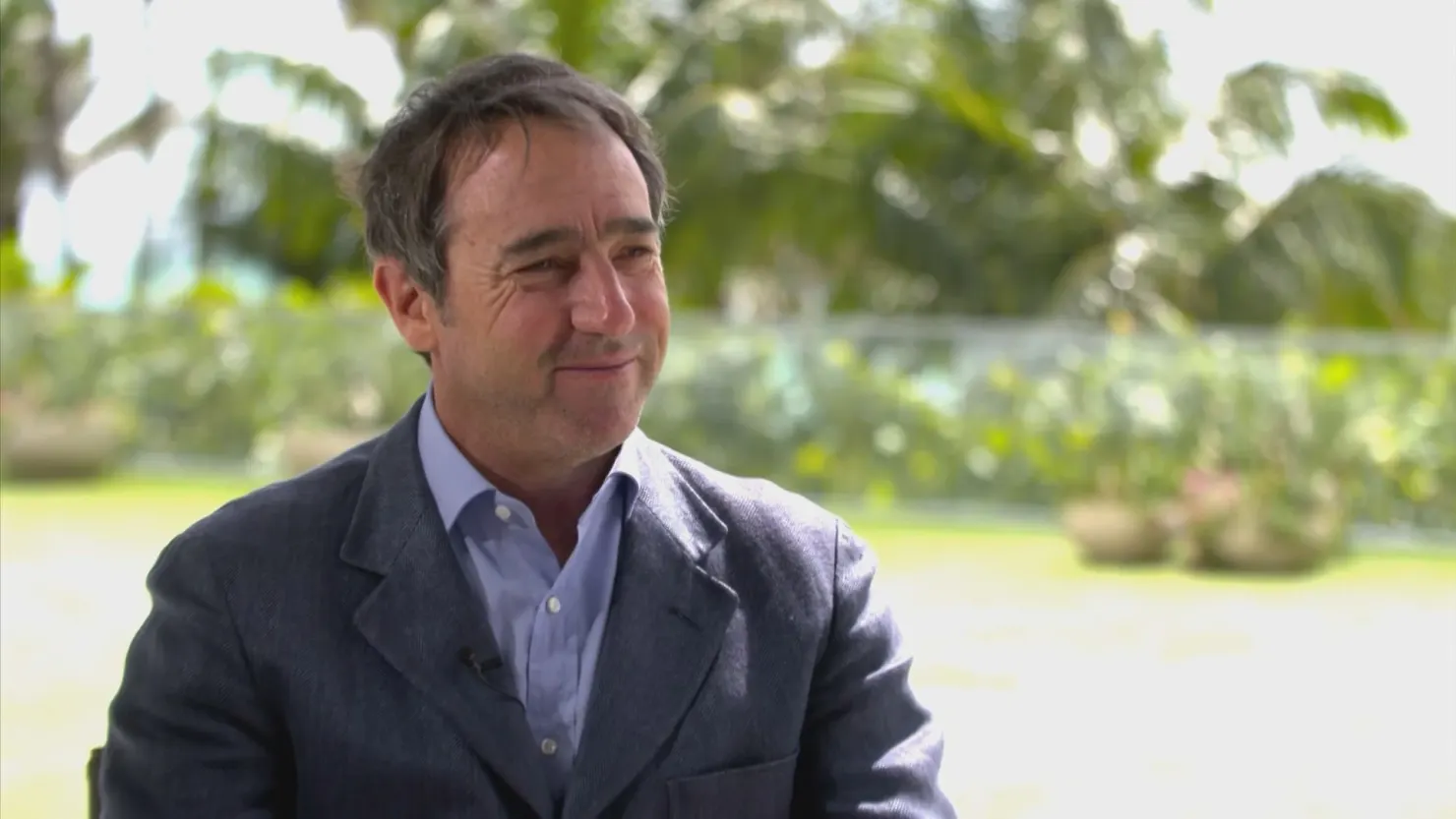

Marcos Galperin, the CEO and founder of MercadoLibre, sees major potential for Latin America amid the ongoing trade tensions between the United States and China. With rising global uncertainty, Galperin believes countries in the region—especially Mexico—could capitalize on the shifting dynamics in international trade. As the founder of one of Latin America’s largest e-commerce and payments platforms, Galperin has a unique vantage point on the economic ripple effects of the trade war, particularly as it redirects supply chains away from Asia and closer to the U.S. market.
Galperin, currently Argentina’s richest individual with an estimated fortune of $8.7 billion, has overseen a remarkable rise in MercadoLibre’s stock, which has surged nearly 30% this year. In contrast, major U.S. tech giants more directly impacted by tariff policies have seen stock declines. With many American companies now relocating manufacturing operations from China to Mexico and other Latin American nations, the region stands poised to benefit from the evolving trade landscape.
Mexico’s strategic advantage lies in its free trade agreement with the United States, which allows many Mexican exports to avoid the hefty tariffs that now target Chinese imports. This has prompted a steady shift in manufacturing hubs, especially as China faces tariffs as high as 145% on certain goods. Galperin believes this change marks the beginning of a new era, one in which the long-standing model of manufacturing in China for U.S. consumption is no longer sustainable. The financial interdependence that once defined U.S.-China trade, including China’s large-scale purchase of U.S. Treasury bonds, is also likely to decline.
From Galperin’s perspective, this realignment presents a unique opening for Latin American countries to increase exports and attract investment, provided they can maintain economic stability and adopt open market policies. He expressed cautious optimism about reforms underway in his native Argentina, led by President Javier Milei. The Argentine president has introduced significant free-market reforms since taking office in late 2023, including cutting tariffs and import restrictions that had long protected local industries.
While Galperin supports these changes, he acknowledges they won’t be easy and will require time. He emphasized that meaningful economic transformation is rarely immediate, urging patience from the Argentine public. If sustained, he believes the reforms could ultimately generate long-term benefits, not only for Argentina but for the broader Latin American region seeking greater integration into global markets.
READ MORE: