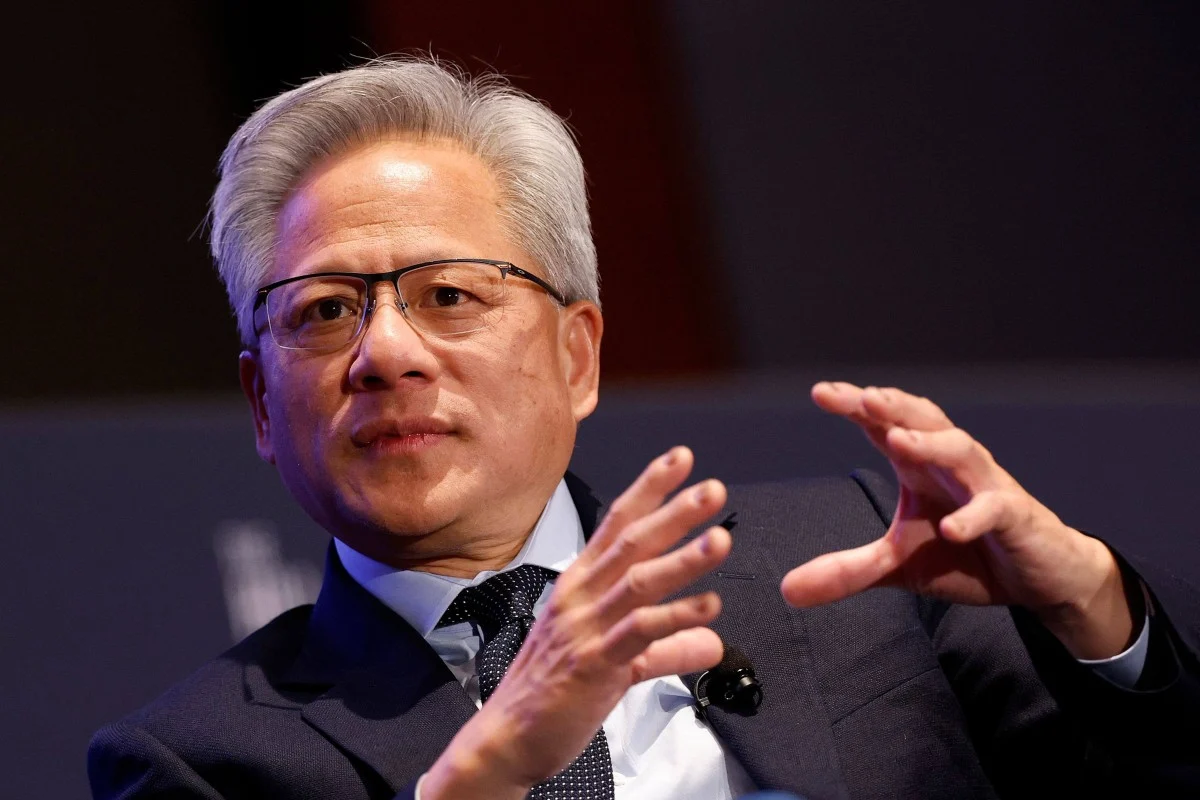

Nvidia CEO Jensen Huang recently addressed rising concerns about Huawei Technologies’ expanding capabilities in artificial intelligence during a confidential meeting with the U.S. House Foreign Affairs Committee. According to a senior committee staff member, discussions centered around the potential global impact of Huawei’s AI chips, especially if future AI models—such as DeepSeek-R1 or others—were optimized to run on Huawei hardware. The concern is that such developments could create strong international demand for Huawei chips, threatening U.S. technological dominance.
The closed-door meeting, attended by Nvidia executives, focused on the strategic significance of AI technology as part of national infrastructure. The conversation highlighted the potential consequences of ongoing restrictions placed on Nvidia’s chip exports to China. While these measures aim to curb the advancement of Chinese AI capabilities, they may inadvertently drive demand for alternative providers like Huawei.
In a public statement following the meeting, Nvidia spokesperson John Rizzo confirmed that CEO Jensen Huang emphasized the importance of investing in U.S.-based manufacturing and reiterated Nvidia’s support for U.S. policies promoting domestic technology and global leadership. Nvidia has been a cornerstone of AI innovation, supplying the high-performance chips that power everything from generative AI models to autonomous systems. However, the company’s position in China has been challenged by evolving export regulations that date back to the Trump administration.
In response to these regulations, Nvidia has repeatedly modified its product offerings to remain compliant, including the design of chips specifically for the Chinese market. One such product, the H20 chip, was recently barred from sale under updated restrictions. Demand for these chips had surged among Chinese customers seeking to train cost-effective AI models, including those developed by firms like DeepSeek.
Huawei has been quick to seize the opportunity created by Nvidia’s constrained presence in China. According to recent reports, the company is preparing large-scale shipments of an AI chip intended to rival Nvidia’s offerings. This development positions Huawei to become a major player in the Chinese AI hardware market, potentially undermining U.S. export control objectives.
As geopolitical tensions continue to shape the AI landscape, the race to dominate next-generation computing remains tightly bound to regulatory decisions, innovation strategies, and the global supply chain. Nvidia’s proactive engagement with policymakers underscores the strategic importance of safeguarding U.S. leadership in the rapidly evolving field of artificial intelligence.
READ MORE: