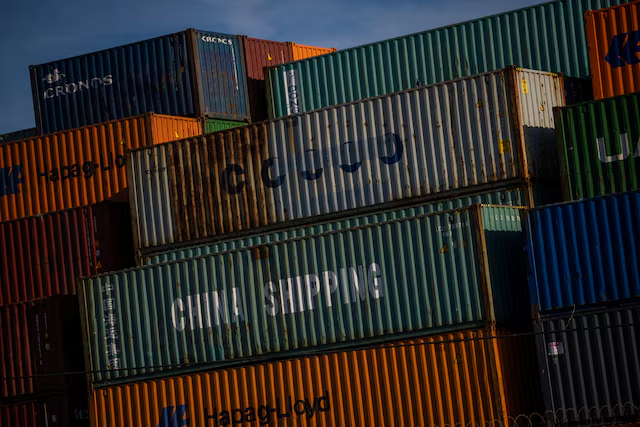

China’s exports in April outperformed expectations, driven by a rush from overseas manufacturers to secure goods ahead of a looming U.S. tariff deadline. Outbound shipments rose by 8.1% year-on-year, significantly exceeding the projected 1.9% growth, though the pace slowed from March’s 12.4% increase. The export momentum was largely supported by demand from manufacturers attempting to capitalize on U.S. President Donald Trump’s 90-day pause in proposed tariffs, though China was excluded from this relief and instead faced heightened levies of up to 145%.
This exclusion has placed China at the heart of a continuing trade dispute with the U.S., leading to supply chain disruptions and uncertainty. Ahead of high-stakes negotiations in Geneva, Chinese exporters had accelerated shipments to mitigate the impact of the increased tariffs. Imports, meanwhile, dipped just 0.2%, better than forecasts of a steeper 5.9% decline, indicating that domestic consumption remains relatively resilient as policymakers introduce measures to stabilize the $19 trillion economy.
Demand from Southeast Asia surged, with Chinese exports to the region jumping 20.8% in April. This increase is attributed to manufacturers in ASEAN countries ramping up production ahead of the July tariff deadline, heavily reliant on Chinese raw materials and components. In contrast, exports to the U.S. fell sharply by 21%, reducing China’s trade surplus with the U.S. to $20.5 billion from $27.6 billion in March—a result aligned with President Trump’s goal of narrowing the trade gap.
Experts warn that if the elevated tariffs remain in place and trade talks stall, China’s export momentum could quickly fade. While April’s figures reflect robust activity, economists expect trade data to weaken in the coming months if negotiations falter and tariff barriers persist. Nonetheless, Beijing continues to express confidence in meeting its annual growth target of around 5%, reinforcing its strategy with monetary stimulus, policy rate cuts, and efforts to boost consumer spending.
Industrial activity also remained strong, with China’s steel exports exceeding 10 million metric tons for the second consecutive month. Countries like South Korea and Vietnam led the buying spree in anticipation of tighter U.S. trade policies. Meanwhile, copper imports stayed flat, reflecting increased global shipments to the U.S. post-tariff announcement. Soybean imports hit a decade low, due to logistical delays from Brazil and slowed customs clearances. For now, China’s trade sector continues to benefit from the brief tariff reprieve, though risks remain on the horizon.
READ MORE: