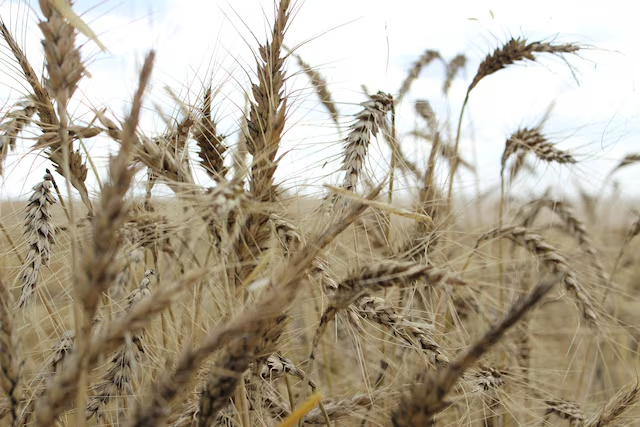

China, the world’s largest wheat producer, has recently purchased between 400,000 and 500,000 metric tons of wheat from Australia and Canada due to heatwaves threatening its domestic crops. The purchases come as China’s agricultural heartlands, particularly Henan province, face extreme temperatures that could significantly affect wheat yields. Henan is a major wheat-producing area, responsible for about a third of China’s crop, and the government has issued a risk warning regarding the dry weather.
The wheat purchased is of milling quality, with Chinese buyers securing shipments from Australia, the first such purchases since last year. Around 200,000 tons of wheat have been bought from Canada, according to sources in the trading industry. The shipments are scheduled for delivery in July and August. Despite this increase in imports, China remains one of the largest wheat producers globally, and its imports tend to rise only when domestic production is insufficient to meet demand.
In 2024, China imported approximately 11 million tons of wheat, amounting to $3.5 billion, with Australia and Canada being the primary suppliers. However, Chinese wheat imports have been relatively low so far in 2024 due to a large domestic wheat harvest in the previous year. Imports of wheat dropped sharply in the first seven months of the current season, with less than one million tons entering the country.
Some traders have reduced their forecasts for China’s 2025 wheat production, lowering expectations by around 5 million tons due to ongoing weather risks. However, China still holds large wheat inventories, which may limit the need for additional imports. Analysts also note that China’s economic slowdown is dampening overall demand for grains, including wheat.
While U.S. wheat has been sidelined due to tariffs and trade tensions between Washington and Beijing, China has also increased its barley imports, securing large quantities from France and Ukraine. According to traders, six bulk carriers are scheduled to deliver up to 1 million tons of barley to China by summer, reflecting a return to the market for grains as the 2025/26 season approaches. Attractive pricing is likely encouraging Chinese buyers to restock their inventories.
READ MORE: