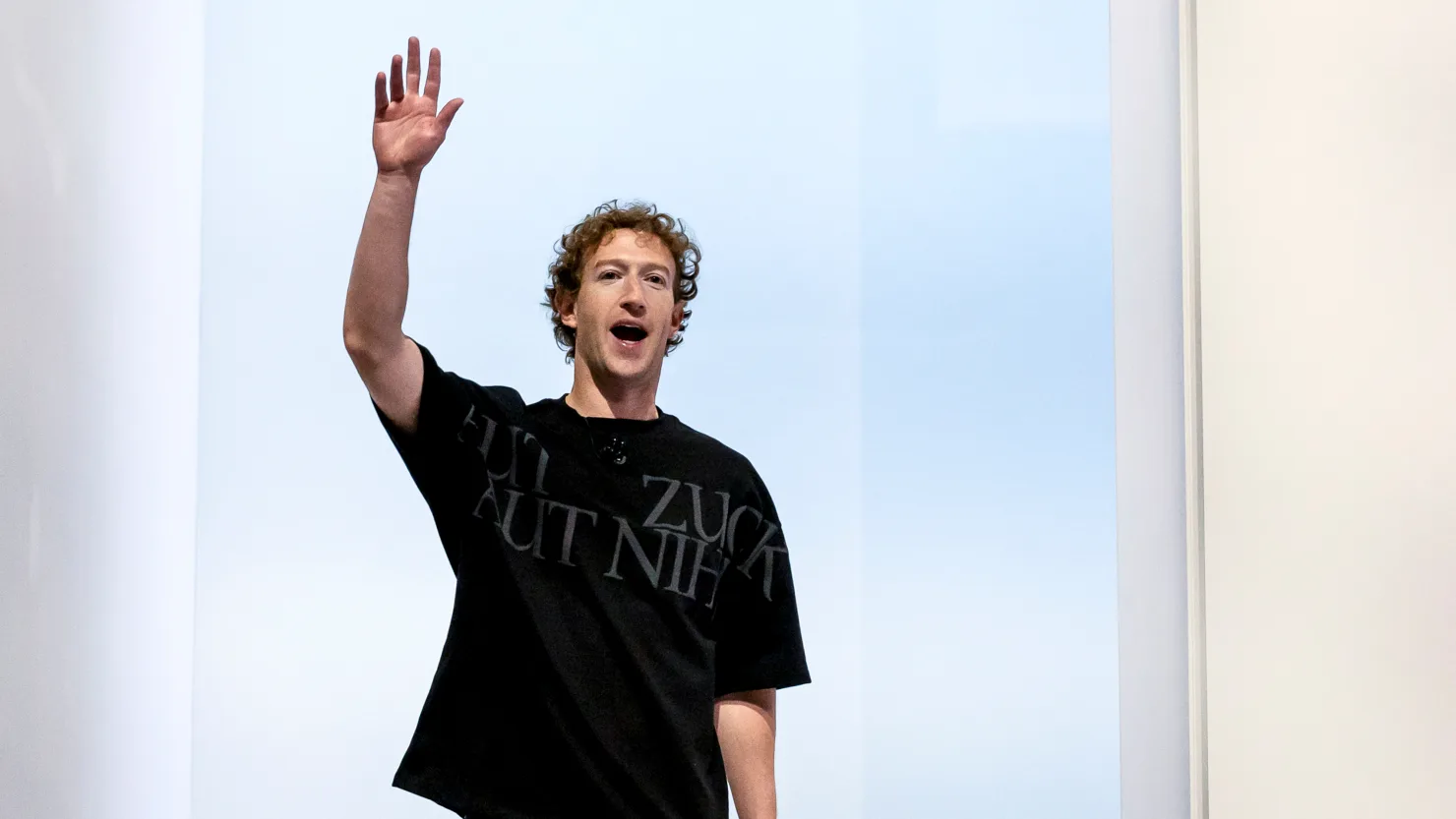

Meta’s attempt to compete with OpenAI by emulating innovations from a Chinese AI startup backfired, prompting a major overhaul of its artificial intelligence strategy. In 2025, Meta sought to replicate techniques developed by the Chinese firm DeepSeek, releasing a new version of its Llama AI model family. However, Llama 4 disappointed many developers who found it harder to customize and integrate than its predecessor, Llama 3. The backlash led CEO Mark Zuckerberg to invest billions in revamping Meta’s AI division, which now includes top talent recruited from competitors like OpenAI, Apple, and Google.
In June, Meta made a significant $14.3 billion investment in data annotation startup Scale AI, bringing its CEO and others into a new Meta Superintelligence Labs unit. This division, led by Scale AI’s Alexandr Wang and former GitHub CEO Nat Friedman, aims to steer Meta’s AI research and development toward regaining market leadership. Shengjia Zhao, co-creator of ChatGPT, recently joined as chief scientist, highlighting Meta’s aggressive talent acquisition strategy.
The shift in Meta’s AI approach was triggered by DeepSeek’s rise with its open-source mixture-of-experts (MoE) model called R1, which impressed researchers with its efficiency compared to dense models like Meta’s previous Llama versions. Despite some internal resistance favoring dense models for ease of use, Meta adopted the MoE architecture to potentially surpass rivals. Yet, the new approach failed to deliver a substantial improvement, causing developers to prefer the older Llama 3 model. This disappointment has caused Meta’s AI leadership to reconsider their open-source strategy, even contemplating delaying the release of more advanced proprietary models.
Despite these challenges, Meta’s core advertising business remains strong, and Zuckerberg has pledged to invest hundreds of billions in AI computing infrastructure, promising industry-leading computational power per researcher. Analysts view this commitment as a sign of confidence in Meta’s revenue outlook, even though it implies increased capital and operational expenses.
The intense competition for AI talent and resources resembles the 2017 self-driving car race, with companies striving to secure the best researchers through lucrative offers. Investors appear more optimistic about Meta’s AI investments now, as the entire tech sector shifts focus toward artificial intelligence innovation.
READ MORE: