
The U.S. economy expanded at a sluggish 1.5% annualized rate from April through June, as a widening trade deficit weighed on output while strong consumer spending and business investment in artificial intelligence infrastructure signaled underlying resilience.
The figure, released Thursday in the Commerce Department’s advance estimate of second-quarter gross domestic product, marked a deceleration from the 2.1% pace recorded in the first three months of 2026 and came in below economists’ expectations.
Much of the slowdown reflected a surge in imports, which subtract from GDP calculations. Beneath the headline number, however, domestic demand held up. Consumer spending accelerated, and businesses continued to pour money into equipment tied to the buildout of AI infrastructure.
Inflation, meanwhile, showed tentative signs of cooling. The Federal Reserve’s preferred gauge, the personal consumption expenditures (PCE) price index, rose 3.7% in June from a year earlier, down from a 4.1% annual increase in May. Excluding volatile food and energy prices, core prices climbed 3.3%, little changed from May’s 3.4% reading.
The easing was driven in part by lower gasoline prices following a temporary truce in the Iran conflict, which had earlier pushed energy costs sharply higher. Even so, inflation remains well above the central bank’s 2% target.
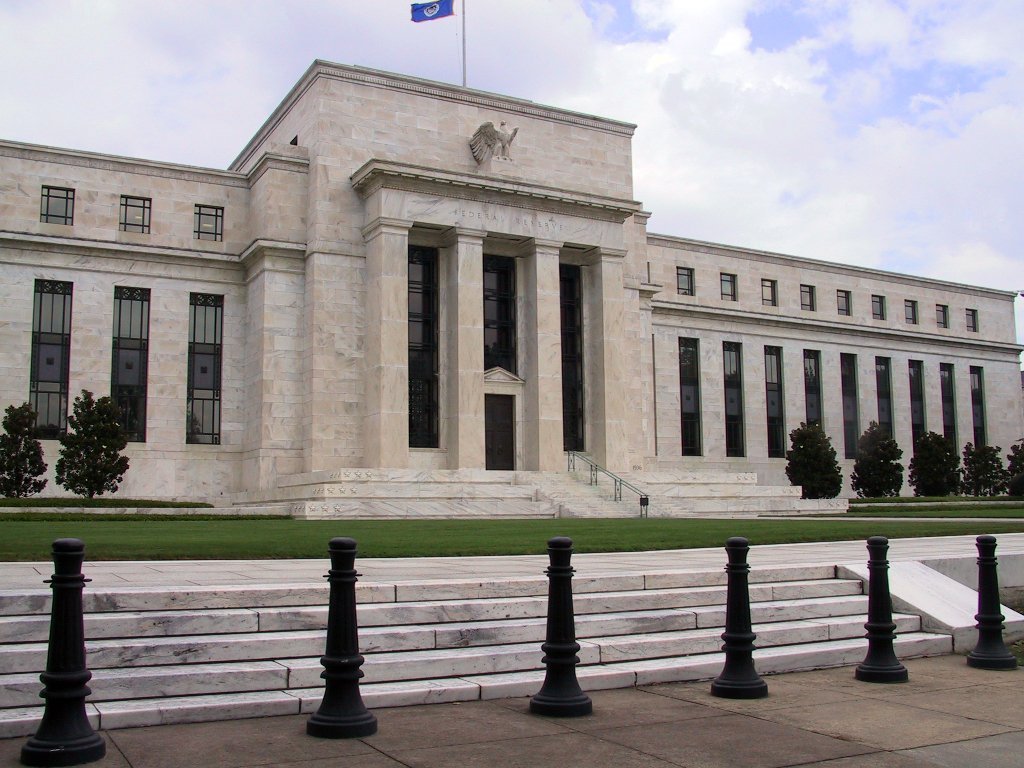
The Federal Reserve on Wednesday left its benchmark interest rate unchanged for the fifth consecutive meeting. Three regional Fed presidents dissented, arguing that elevated inflation warranted a rate increase.
The American economy has proven surprisingly durable in the face of the Iran war and the resulting spike in energy prices. The labour market has rebounded this year after a weak 2025, with employers adding an average of 92,000 jobs a month, compared with fewer than 10,000 monthly the previous year, when high interest rates and shifting tariff policy discouraged hiring.
The rebound in employment has given households the means to keep spending, a pattern that echoes earlier concerns raised when signs of a cooling jobs market first prompted debate over the Fed’s next move.
Persistently higher costs have frustrated Americans ahead of November’s midterm elections, which will determine whether President Donald Trump’s Republicans retain full control of Congress.
With inflation still above target and growth softening, the Fed faces a delicate balancing act in the months ahead. Investors will closely watch upcoming employment and price data for clues on whether the central bank holds steady or shifts course before the year’s end.