
The US labour market unexpectedly contracted in July, shedding 23,000 jobs as declines across the education, government, and retail sectors overshadowed hiring elsewhere and prompted traders to sharply scale back expectations of a near-term interest rate increase.
The downturn was compounded by a slump in labour force participation, suggesting workers were exiting the job market rather than being absorbed into new roles. The figures marked a notable reversal from earlier months and reinforced concerns about the resilience of the world’s largest economy.
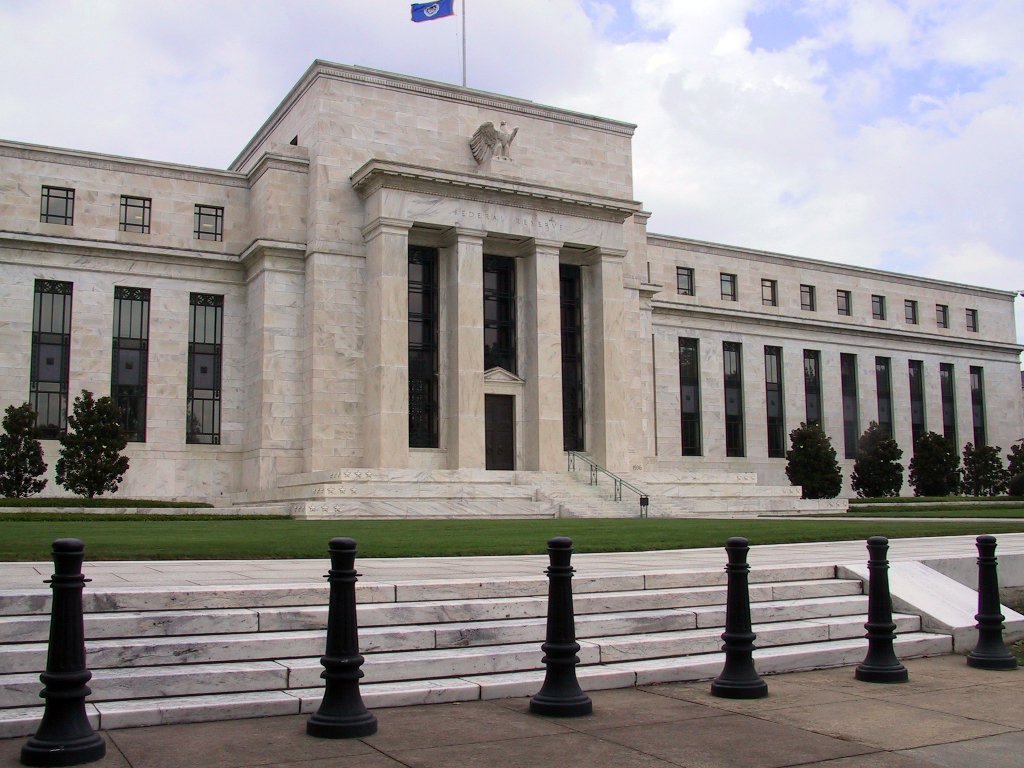
Following the release, interest rate futures priced in a lower probability of a September rate hike by the Federal Reserve, reflecting a swift repricing of monetary policy expectations. The soft data has effectively removed the case for tighter policy in the immediate term.
The declines were concentrated in sectors sensitive to public spending and consumer demand. Government payrolls fell alongside cuts in education, while the retail sector recorded significant losses, pointing to weakening momentum heading into the second half of the year.
The report echoes earlier episodes in which soft employment data recalibrated market expectations. A similar dynamic emerged in 2024, when a disappointing jobs report triggered recession fears and fuelled predictions of aggressive policy easing.
Analysts suggest the combination of falling payrolls and declining participation complicates the Federal Reserve’s balancing act between supporting employment and containing inflation. A weakening labour market typically strengthens the argument against raising borrowing costs.
The July data adds to a broader pattern of cooling in the American jobs market, where hiring has slowed and revisions to prior months have often revealed weaker underlying trends than initially reported.
Attention now turns to upcoming inflation readings and the Federal Reserve’s next policy meeting, where officials are expected to weigh the softening employment picture against price pressures. Markets will closely watch for signals on whether the central bank shifts toward a more accommodative stance in the months ahead.