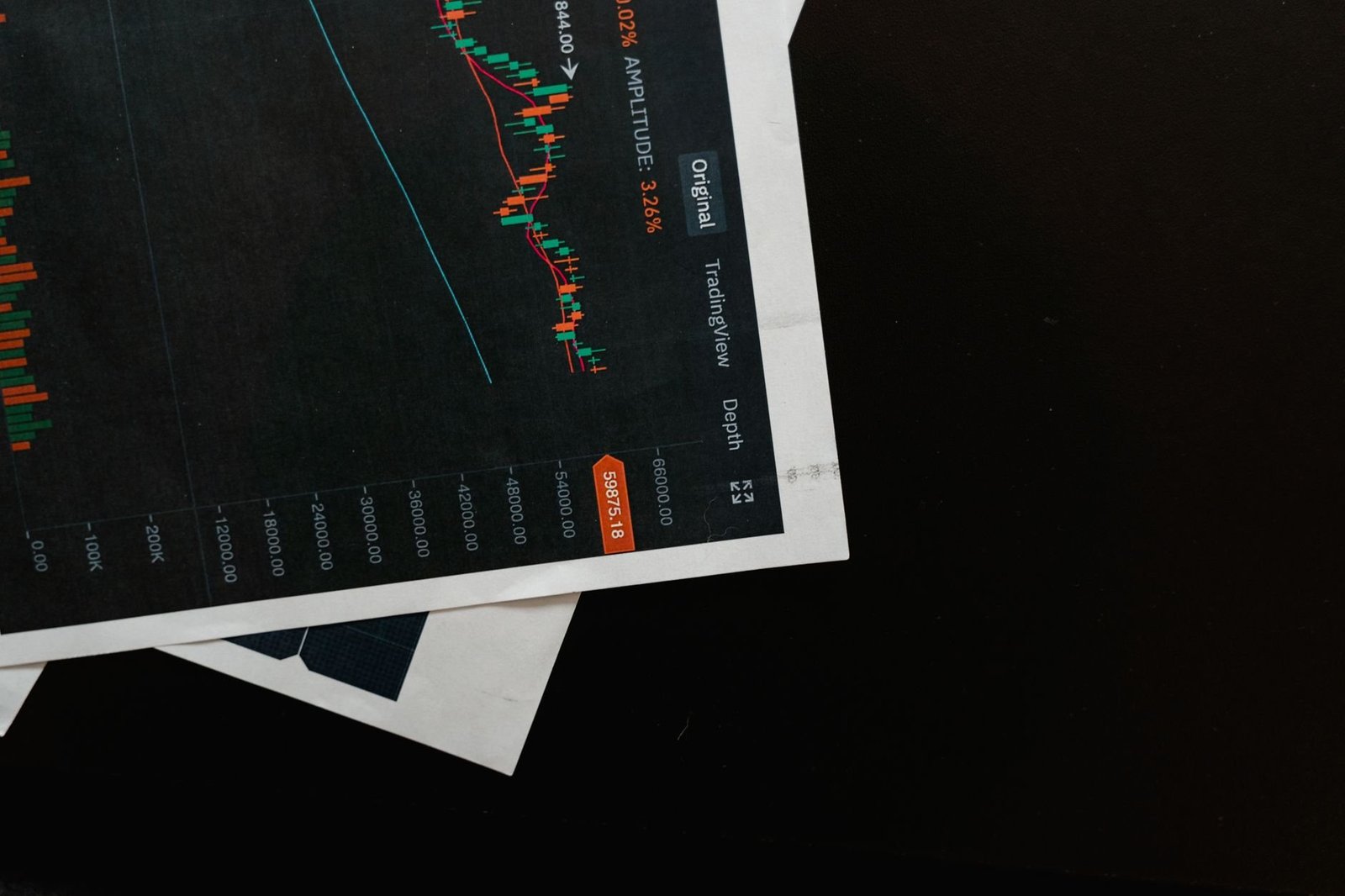

The 30-year U.S. Treasury bond yield climbed above 5.3% during the week ending August 21, reaching a level last seen in 2007 and reviving debate over whether the bond market is flashing a warning about American fiscal health.
The rapid ascent in long-term borrowing costs has arrived as the national debt approaches $40 trillion. Rising yields translate directly into higher costs for the government to service that debt, and they ripple outward into mortgages, corporate loans, and consumer credit across the economy.
Some market watchers have drawn comparisons between the recent moves and the sharp yield swings of 1987, a year remembered for a violent equity sell-off that followed a run-up in interest rates. The pace of the current climb, rather than the absolute level alone, has drawn that historical parallel.
Not everyone reads the moves as a crisis. Economist Paul Krugman has dismissed the bond market anxiety, arguing that elevated yields reflect ordinary shifts in expectations for growth and interest rates rather than an impending fiscal reckoning. The disagreement captures a wider split among analysts over how much the numbers should alarm policymakers.
Behind the numbers, the mechanics matter. When investors demand higher returns to hold long-dated government debt, the Treasury must offer richer yields at auction, and each incremental point adds tens of billions to annual interest expenses on a debt load nearing $40 trillion. That dynamic can compound over time.
The climb in long-term rates also feeds through to households. Long-dated Treasury yields help set the benchmark for fixed mortgage rates, and earlier bouts of rising yields have already pushed home borrowing costs above 7%, squeezing prospective buyers and cooling refinancing activity.
The 1987 comparison carries a specific caution: back then, a fast repricing in bonds preceded turmoil in stocks. Whether the current episode follows a similar path depends on how quickly yields stabilize and how corporate earnings and inflation data evolve in the coming months.
For now, the market is left balancing two narratives. One frames the yield surge as a warning about unsustainable government borrowing; the other treats it as a normal repricing that reflects a resilient economy and shifting rate expectations. The next round of inflation readings and Treasury auctions will test which view holds. Investors and borrowers alike will be watching whether 5.3% proves a peak or a floor.