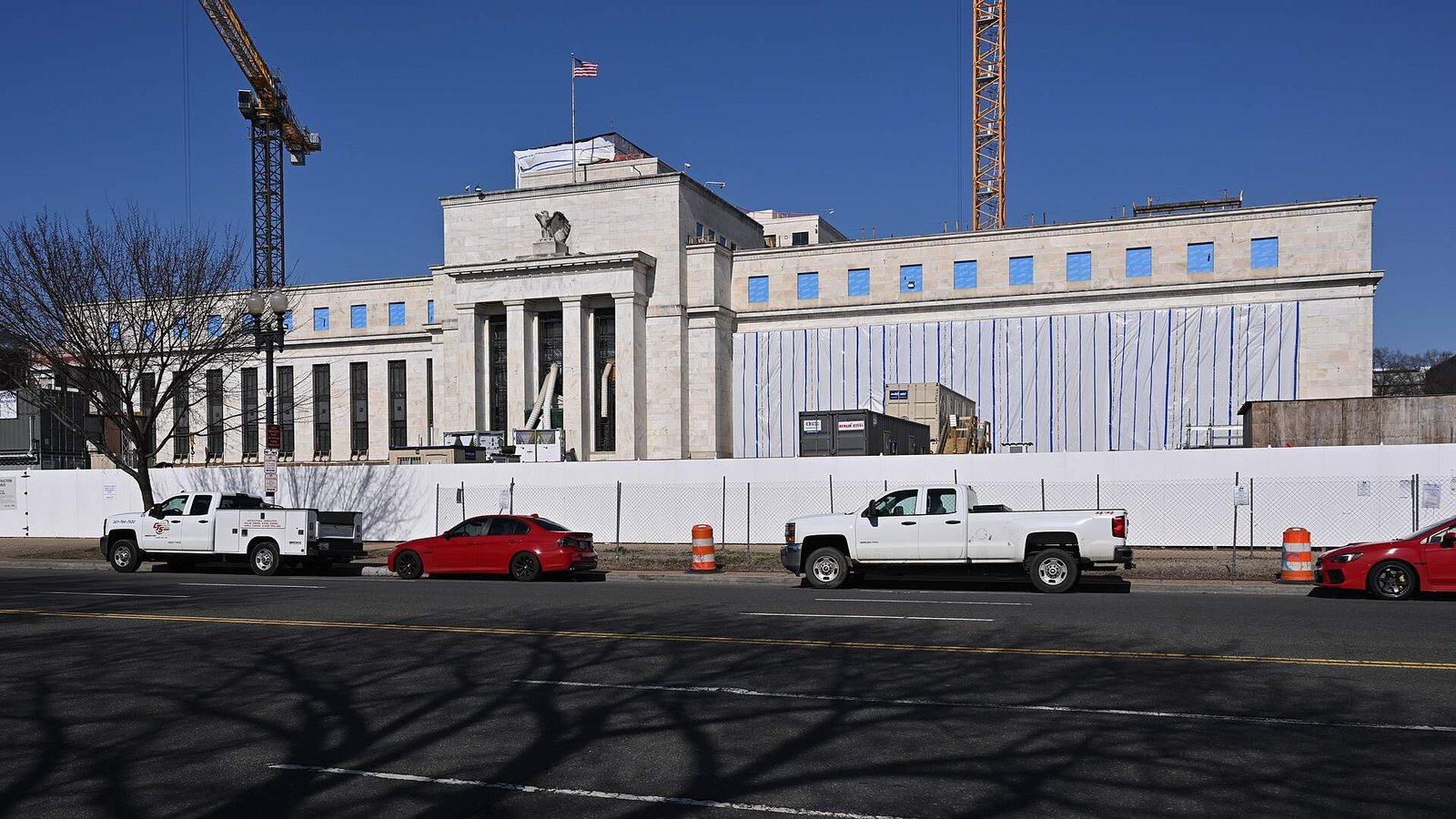

The 2-year Treasury yield climbed to its highest level since January 2025 on Friday, September 4, after a stronger-than-expected jobs report pushed traders to reconsider the odds of a Federal Reserve rate hike this month. Yields most sensitive to policy expectations led the move higher.
The jump followed a nonfarm payrolls release that came in well above forecasts. Combined with inflation that has stayed above the central bank’s comfort zone, the data gives policymakers more room to consider tightening rather than easing when they meet in September.
The 2-year yield, which tracks near-term rate expectations closely, moved up as bond prices fell. Longer-dated maturities also rose, extending a stretch in which borrowing costs across the curve have pushed steadily higher this year.
Behind the numbers, the shift reflects a rapid change in how markets read the Fed. For much of the summer, weaker hiring data had fed hopes of a pause or a cut. A single blowout report has now flipped that conversation toward the possibility of another increase.
That recalibration matters beyond trading desks. Higher yields on government debt tend to ripple into mortgage rates, car loans, and credit card costs, meaning households could face steeper borrowing bills if the trend holds through the autumn.
The move fits a broader pattern of climbing rates. Long-dated yields have repeatedly tested multi-year highs in recent months, with the 30-year Treasury yield reaching 5.32%, its highest since 2007, as investors questioned how quickly inflation would cool.
Sticky price pressures have complicated the Fed’s task. A labor market that keeps adding jobs at a healthy clip removes one of the main arguments for loosening policy, leaving officials weighing the risk of overheating against the cost of tighter financial conditions.
Investors will now watch upcoming inflation readings and Fed commentary closely for confirmation of the direction. Any further signs of strength in wages or consumer prices would harden expectations of a hike and likely drive yields higher still.
For borrowers and savers alike, the message from Friday’s trading is clear: the era of anticipated rate relief has been thrown into doubt, and the cost of money may stay elevated longer than many had planned.