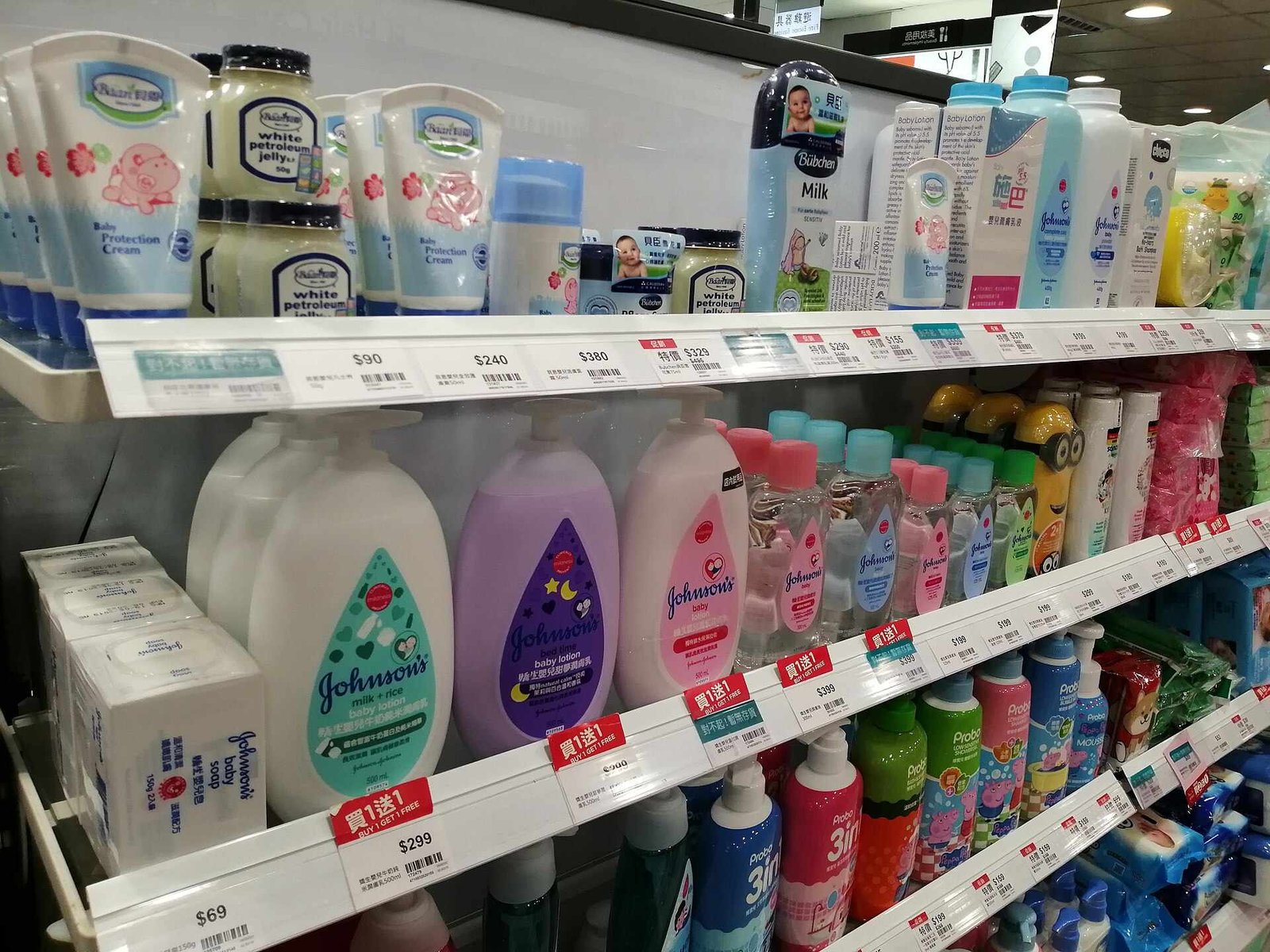

Johnson & Johnson has agreed to pay $5.5 billion to resolve nearly 70,000 lawsuits in the United States alleging that its talc-based baby powder caused cancer, marking one of the largest product-liability settlements in the pharmaceutical and consumer-goods sector.
The settlement addresses claims that the company’s talc products contained asbestos and were linked to ovarian cancer and other illnesses in tens of thousands of plaintiffs, most of them women who used the powder for years.
Johnson & Johnson has long maintained that its talc products are safe and do not contain asbestos, insisting that decades of scientific testing support that position. The company has framed the payout as a way to bring an efficient end to sprawling litigation rather than an admission of liability.
The agreement follows years of legal maneuvering, including multiple failed attempts by the company to route the claims through the bankruptcy of a subsidiary, a strategy repeatedly rejected by U.S. courts. Those setbacks pushed the company toward a broad negotiated resolution.
Talc, a naturally occurring mineral used in cosmetics and personal-care products, can be found in deposits near asbestos, a known carcinogen. Plaintiffs argued that contamination during mining exposed consumers to health risks over prolonged use.
The scale of the litigation reflects a wider wave of mass-tort actions targeting large corporations. Recent years have seen a string of major corporate settlements, from technology firms to drugmakers, as companies move to cap open-ended legal exposure. Similar dynamics were visible in high-value settlements struck by other corporate giants seeking to close out contentious cases.
Johnson & Johnson discontinued sales of talc-based baby powder in North America in 2020 and transitioned globally to a cornstarch-based formulation, citing changing consumer preferences and litigation pressure.
The settlement is expected to be distributed among current claimants, though details on individual payouts and the timeline for final approval remain to be confirmed. Legal observers will watch whether the deal draws objections from plaintiffs seeking larger awards or from those pursuing separate claims.
The resolution, if finalized, would remove a significant source of financial uncertainty for the company as it focuses increasingly on its pharmaceutical and medical-technology businesses.