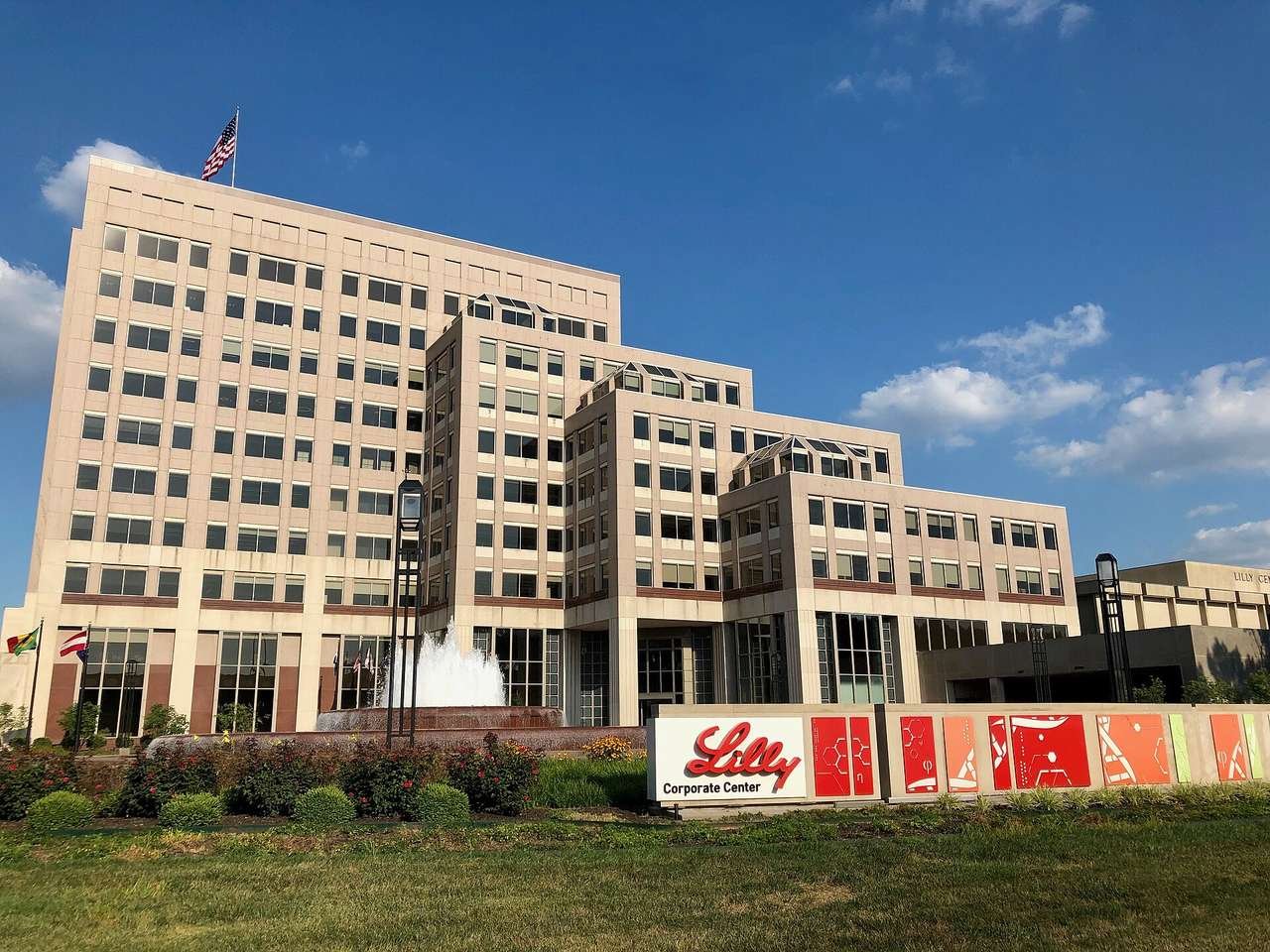

Eli Lilly has raised its full-year revenue forecast after quarterly results comfortably surpassed Wall Street expectations, propelled by soaring demand for its blockbuster diabetes and weight-loss medicines Mounjaro and Zepbound.
The pharmaceutical company reported that revenue climbed 48% during the quarter, a jump driven by higher-than-expected uptake of its GLP-1 therapies, which treat Type 2 diabetes and obesity. The surge underscores the intensifying global appetite for a class of drugs that has reshaped the treatment landscape for metabolic conditions.
Eli Lilly now expects 2026 revenue to land between $85 billion and $87 billion, up from prior guidance of $82 billion to $85 billion. The upgraded outlook signals management’s growing confidence in sustained demand and expanded manufacturing capacity.
Mounjaro and Zepbound share the same active ingredient, tirzepatide, but are marketed for different uses: Mounjaro for Type 2 diabetes and Zepbound for chronic weight management. Both belong to the GLP-1 class, a group of medicines that mimic hormones regulating appetite and blood sugar.
The latest figures extend a run of strong performances for the company, which has repeatedly outpaced forecasts on the back of its metabolic franchise. Earlier in the year, the drugmaker had already lifted its revenue projections amid surging obesity and diabetes drug demand, a trend that has continued to accelerate.
Demand has consistently outstripped supply across the sector, prompting significant investment in production. Eli Lilly has committed billions of dollars to new facilities aimed at easing shortages and meeting orders in the United States and abroad.
Competition in the weight-loss market remains fierce, with rival treatments vying for market share and pharmaceutical firms racing to develop next-generation therapies, including oral formulations that could broaden patient access beyond injectable options.
Despite these competitive pressures, the company’s results point to durable momentum in a market analysts expect to expand substantially over the coming years. The strength of the GLP-1 portfolio has become the central pillar of Eli Lilly’s growth story.
Investors will be watching closely as the company works to scale production further and defend its position, with additional clinical data and product launches anticipated to shape the trajectory of the obesity and diabetes drug market in the periods ahead.