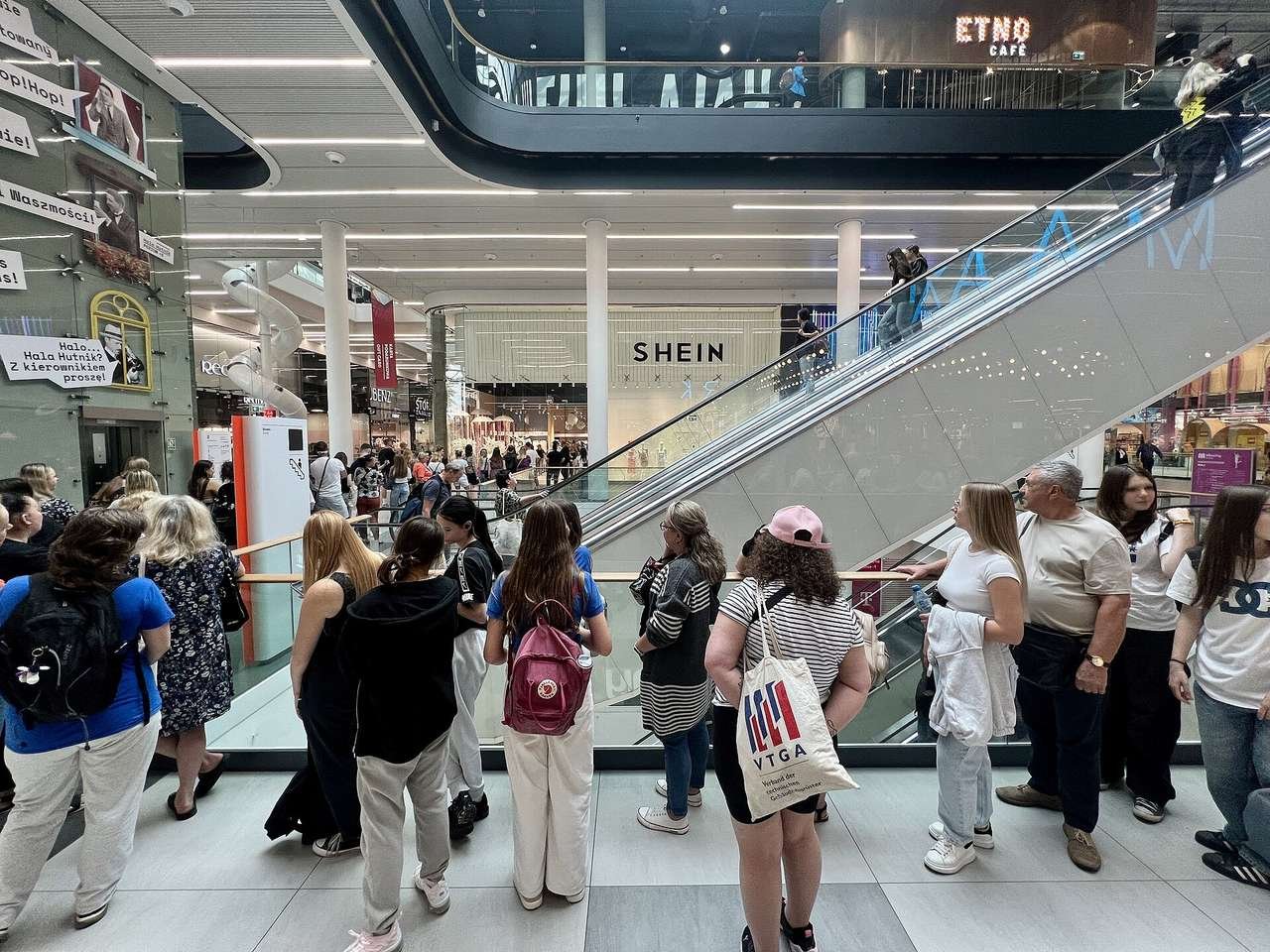

Shein, the fast-fashion retailer with roots in China, has pushed back its planned Hong Kong stock market debut to September, extending a four-year effort to go public that has taken the company across three financial centers. The listing is now targeted for no later than September 1.
The delay is the latest turn in a listing saga that began in 2021. Shein first pursued a New York flotation, then pivoted to London before turning to Hong Kong, where it filed confidentially earlier this year. Each shift followed regulatory friction, political scrutiny, or investor caution over the company’s supply chain and China ties.
Shein built its business on ultra-low-priced apparel shipped directly to shoppers around the world, undercutting traditional retailers by manufacturing in small batches and scaling up only the styles that sell. That model turned it into one of the largest online fashion sellers by volume, with customers in more than 150 countries.
The company’s valuation has fallen sharply during the long road to market. Once discussed at figures approaching $100 billion, Shein has more recently been reported to be seeking a far lower valuation of around $25 billion, a reset that reflects cooler investor sentiment and tougher trade conditions.
Regulatory pressure has weighed on the timeline. Shein has faced questions in the United States and Europe over labor practices in its supply chain, while the removal of the U.S. “de minimis” exemption on low-value parcels threatens the tariff-free shipping that helped keep its prices low.
For shoppers, the outcome of the listing matters less than what comes after it. A publicly traded Shein would face greater disclosure demands and pressure to defend margins, which could shape how aggressively it prices garments and how quickly it ships them.
A Hong Kong debut would also stand as one of the more closely watched offerings on the exchange this year, testing appetite for a China-linked consumer name at a time of strained trade relations between Beijing and Washington.
Whether Shein holds to the September window will depend on regulatory sign-off in both Hong Kong and mainland China, where the country’s securities regulator must clear overseas listings by companies with Chinese operations. Investors will be watching the coming weeks for confirmation that the timetable holds.