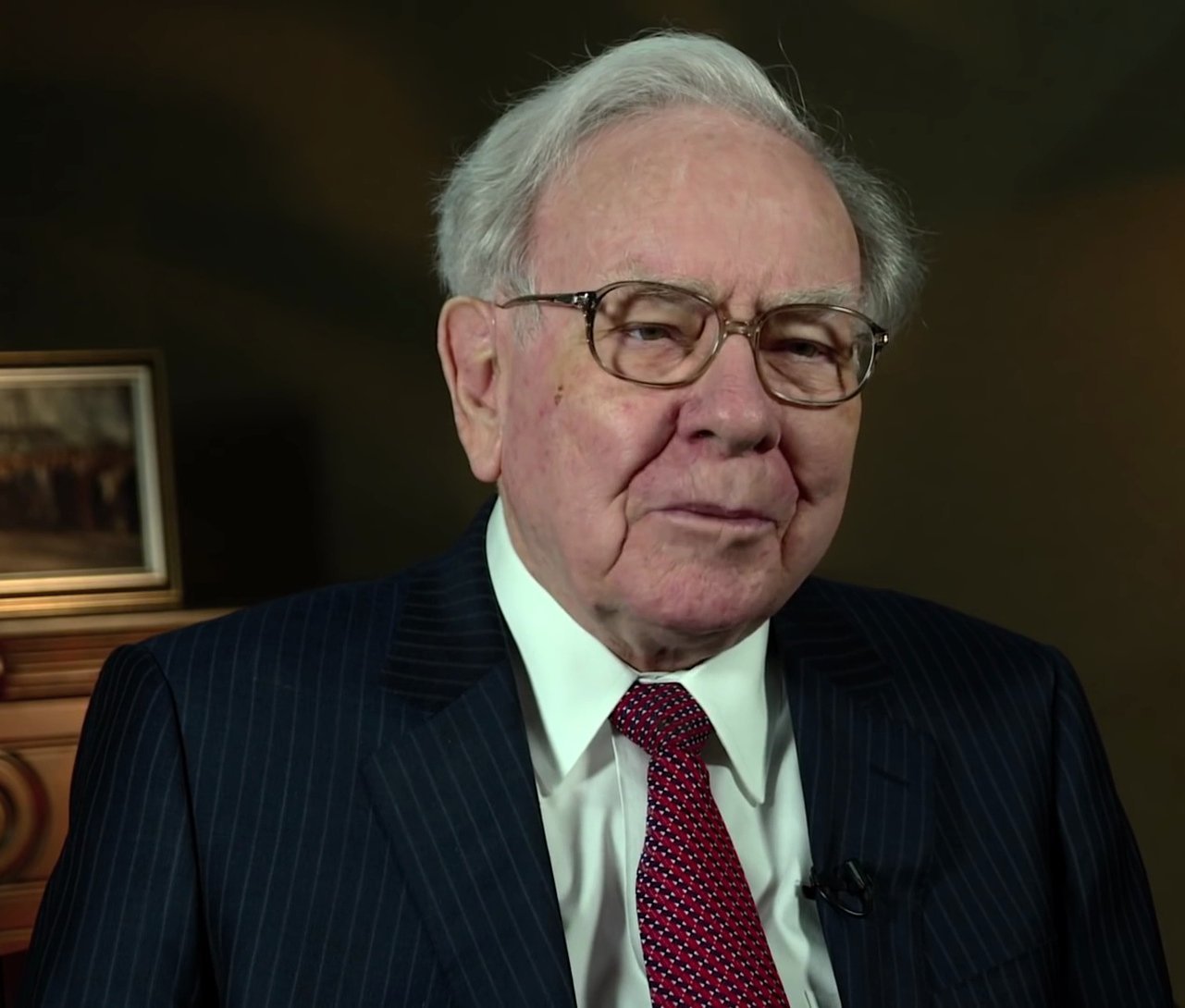

Even after handing over daily control of Berkshire Hathaway, Warren Buffett appears to remain the driving force behind the conglomerate’s equity portfolio, according to trading patterns disclosed on August 22. New chief executive Greg Abel, who took over the top job, is letting Buffett and portfolio manager Ted Weschler make the calls on stocks.
Abel formally became chief executive earlier, with Buffett staying on as chairman to keep a hand in the investment decisions that built the company’s reputation. Observers watching recent portfolio moves say the fingerprints belong to Buffett and his longtime lieutenants rather than to the new CEO, who has focused on operating the sprawling collection of businesses.
One position drawing attention is a legacy department store holding paying a dividend yield of 3.3%. The company has doubled down on the stock rather than trimming it, a decision that runs against much of Wall Street’s caution toward traditional brick-and-mortar retail. For income-focused shareholders, that steady payout is the kind of tangible return that has long defined Berkshire’s appeal.
The arrangement clarifies a question that hung over the leadership transition: who actually decides where tens of billions of dollars in stock investments go. When Buffett confirmed that he would remain chairman as Abel stepped into the CEO role, he indicated the investment side would stay under his watch while Abel handled operations.
That division of labor has held in practice. Abel’s mandate covers the railroads, insurance units, energy assets, and dozens of wholly owned subsidiaries, while the publicly traded equity book continues to reflect Buffett’s decades-old approach of buying durable businesses and holding them.
The distinction matters for shareholders trying to read the company’s direction. Berkshire’s stock performance has recently touched levels not seen since the handover, buoyed by buybacks and solid earnings, but the underlying philosophy on equities has not shifted with the new management structure.
For investors, the message is that continuity, not reinvention, still governs how Berkshire allocates its capital across the market. The department store bet, modest against the company’s overall holdings, offers a small window into a strategy that continues to favor cash-generating names over fashionable ones, keeping the reliable dividend flowing to those who hold the shares.