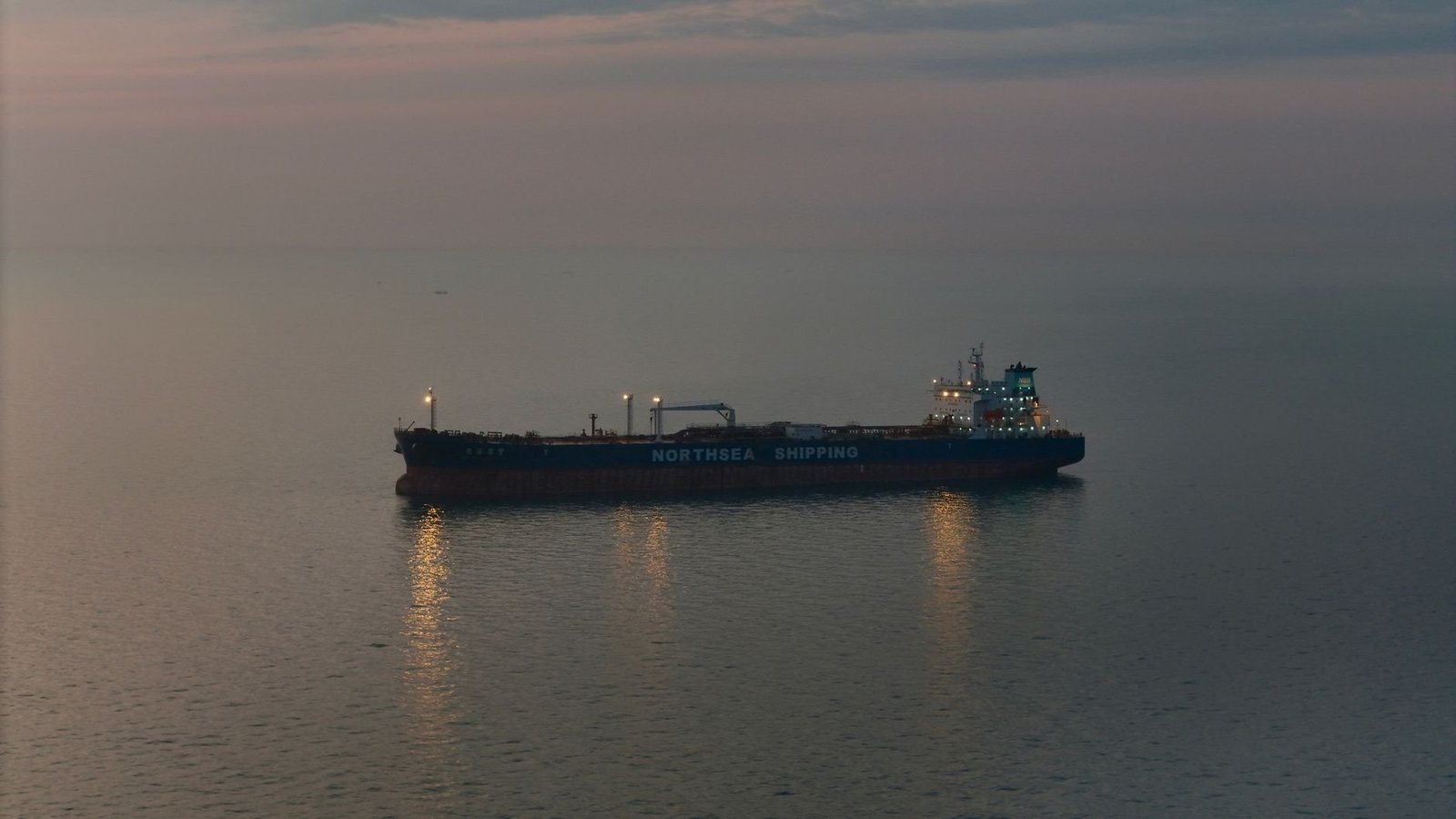

Global markets slipped as a fresh Houthi strike and warnings from Tehran dampened optimism over a prospective agreement to reopen shipping through the Strait of Hormuz, the world’s most critical oil chokepoint.
London’s FTSE 100 fell in trading, reversing earlier gains that had been driven by reports that Iran, Oman and the United States were nearing a deal to restore safe passage through the waterway. Renewed hostilities and cautionary statements from Iranian officials quickly unwound that momentum.
The Strait of Hormuz carries roughly a fifth of the world’s oil supply, connecting Gulf producers to global markets. Any disruption to the passage tends to send shockwaves through energy prices and equity indices, underscoring the strait’s outsized role in the global economy.
A prospective deal, brokered in part through Omani mediation, could pave the way for broader peace talks between Tehran and Washington. Oman has long served as a diplomatic bridge between the two governments, hosting back-channel discussions during periods of heightened tension.
For Iran, an agreement offers the prospect of easing economic pressure and reopening pathways to negotiation. For the United States, restoring stable shipping through the strait would help calm energy markets and reduce the risk of a wider regional confrontation. Muscat, meanwhile, stands to reinforce its standing as a regional intermediary.
Those calculations were complicated by the latest Houthi attack, which revived fears that shipping lanes remain vulnerable regardless of any high-level understanding. The strike came alongside warnings from Iranian officials, injecting fresh uncertainty into an already fragile situation.
The developments follow months of volatility across energy and equity markets tied to tensions in the region. Earlier flashpoints, including strikes on Gulf tankers, had already sent oil prices surging past major thresholds and prompted sharp reactions across global exchanges.
Market watchers had welcomed early signals of a diplomatic thaw, with some drawing parallels to previous episodes when easing US-Iran tensions triggered rallies in global stocks and softer oil prices. The renewed hostilities suggest any recovery in sentiment could prove short-lived.
Energy traders remain particularly sensitive to any hint of disruption in the strait, given the limited alternatives for moving Gulf crude to international buyers. Even the perception of instability can drive speculative moves in oil futures.
Whether the reported agreement can survive the latest escalation remains uncertain. Much will depend on the durability of the diplomatic channel and the extent to which all sides can rein in hostilities along the shipping route in the days ahead.