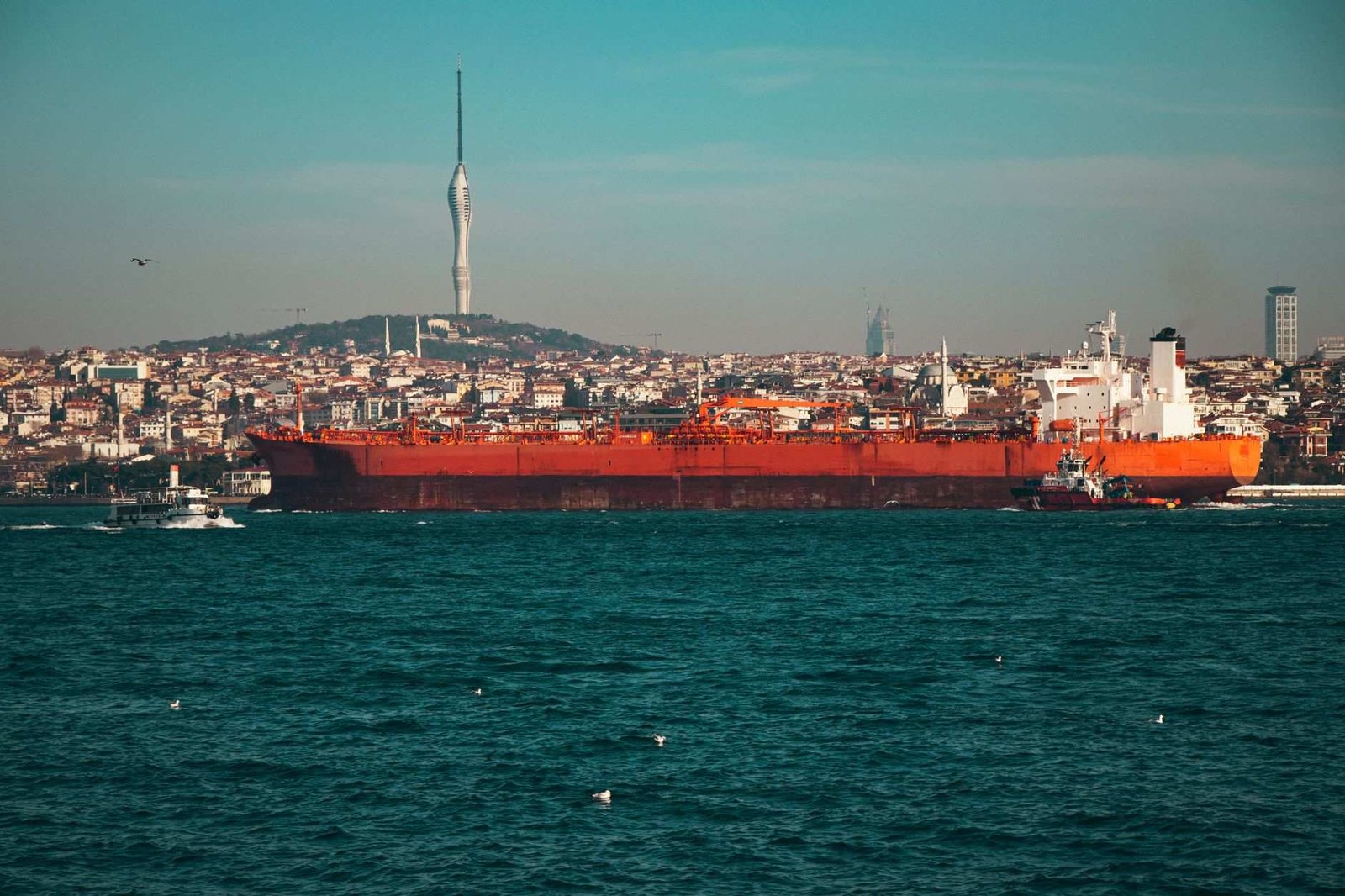

Oil prices retreated from earlier highs after signals emerged that a diplomatic agreement to reopen the Strait of Hormuz could be reached as soon as Tuesday or Wednesday, easing fears of a prolonged disruption to global crude flows.
US Treasury Secretary Scott Bessent said negotiators were closing in on a deal that would restore what he described as “freedom of movement” through the waterway, the transit point for roughly a fifth of the world’s seaborne oil.
The comments cooled a rally that had been driven by weeks of uncertainty over shipping through the chokepoint. Crude had climbed on fears that vessel traffic could remain constrained, but the prospect of a near-term resolution prompted traders to trim positions.
Adding to the softer tone, Qatar indicated that diplomatic efforts between the United States and Iran were continuing, reinforcing market expectations that a negotiated outcome remained within reach rather than a return to escalation.
The Strait of Hormuz, which separates the Persian Gulf from the Gulf of Oman, carries crude and liquefied natural gas from major producers to global markets. Any sustained closure or restriction of traffic there has historically triggered sharp price swings, given the limited alternatives for rerouting cargoes.
Recent weeks have seen mediators, including regional actors, work to broker terms for restoring normal transit through the strait, part of a broader effort to de-escalate tensions that had rattled energy markets. The latest signals from Washington mark the clearest indication yet that a framework may be imminent.
Investors have closely tracked each development, with equity and commodity markets reacting to shifting odds of a settlement. Earlier optimism around the diplomacy had already helped lift US stocks to record levels as traders positioned for a resolution.
Still, uncertainty remains over the precise terms and whether all parties will sign on to the timeline Bessent outlined. Analysts caution that headline-driven diplomacy can reverse quickly, and that price stability will hinge on verifiable, sustained access through the waterway.
If a deal is finalized this week, market watchers expect a further easing of the risk premium built into crude prices in recent sessions. Traders will be watching closely for confirmation from all sides, along with any details on how freedom of movement would be guaranteed and monitored.