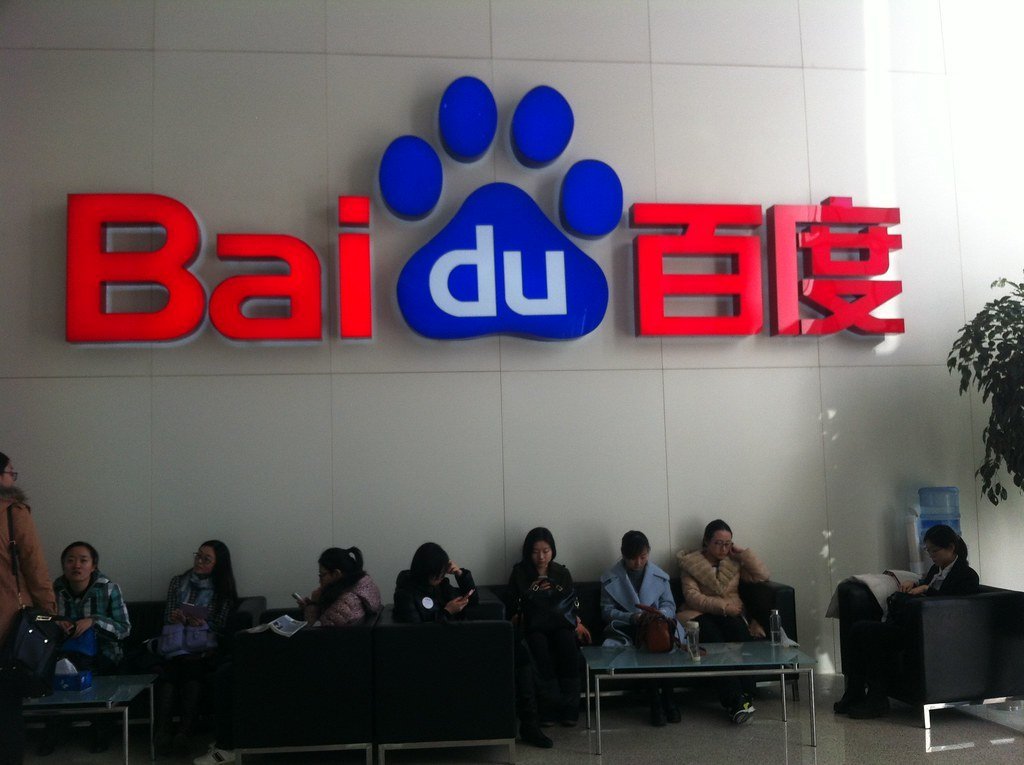

Baidu Inc. reported quarterly revenue and earnings that fell short of analyst expectations, dragged down by a sharp decline in its core online advertising business, sending its shares lower as investors weighed the company’s costly pivot toward artificial intelligence.
Advertising revenue, long the engine of Baidu’s search-driven business, dropped 19% during the period as advertisers pulled back spending and the company reshaped its search product to accommodate generative AI features. The slide underscored the pressure on Baidu’s most established revenue stream even as newer segments gain traction.
The company’s core business slipped overall, missing consensus forecasts on both the top and bottom lines. The results reflect a broader transition at Baidu, which has been redirecting resources toward AI infrastructure, cloud services and its Ernie large language model in a bid to offset softness in traditional search monetization.
Chief Executive Robin Li sought to reassure investors, vowing to restore Ernie to the forefront of the global AI race. “We are committed to bringing Ernie back to the frontier,” Li said, framing the near-term revenue weakness as a byproduct of long-term investment rather than structural decline.
Baidu has poured capital into developing Ernie, its answer to competing systems from domestic and international rivals, and has integrated the model across its search and cloud offerings. The company faces intensifying competition in China’s crowded AI market, where a wave of well-funded startups and established technology firms are racing to deploy advanced models.
The revenue miss weighed on Baidu’s stock, extending a challenging stretch for a company navigating the transition from a search advertising leader to an AI-first enterprise. The reshaping of its search results page, which now surfaces AI-generated answers, has temporarily reduced ad inventory and monetization even as it aims to improve user engagement.
Baidu’s cloud and AI-related segments have shown stronger growth, offering a partial buffer against the advertising downturn. Analysts have pointed to these units as the clearest path to renewed expansion, though they remain smaller than the legacy marketing business.
The company continues to expand its autonomous driving unit, Apollo Go, which operates robotaxi services in several Chinese cities and represents another long-term bet on AI commercialization.
Investors will be watching whether Baidu’s heavy AI spending translates into sustainable revenue in coming quarters, and whether the advertising business can stabilize as the search product transition matures. The company has signaled that the shift will take time before yielding measurable financial returns.