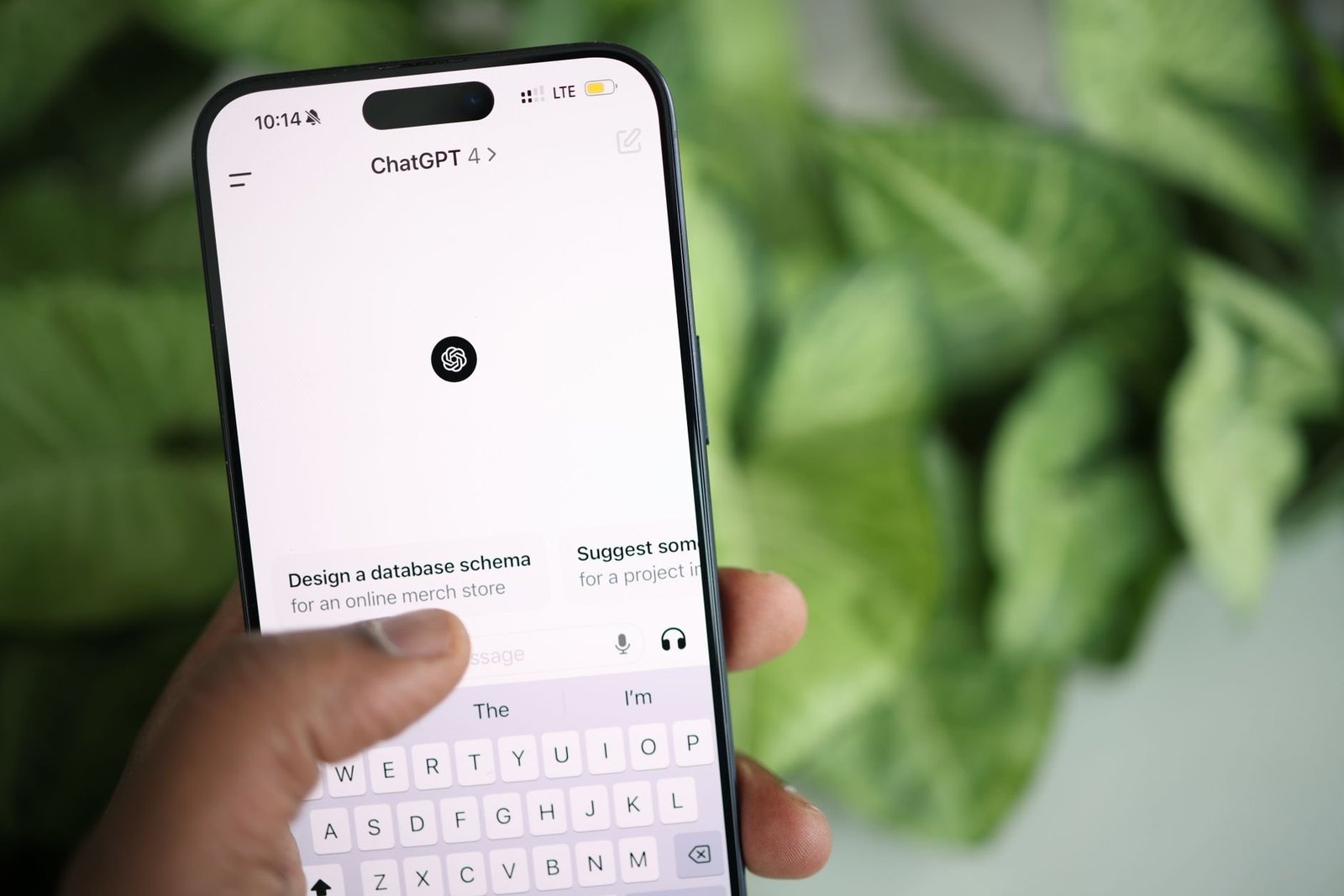

A dedicated version of ChatGPT built for users aged 13 to 17 became available on Tuesday, as OpenAI moved to address mounting concern over how minors interact with AI chatbots. The San Francisco company said ChatGPT for Teens carries stronger safeguards than its standard product.
The teen edition restricts content on subjects including suicide, self-harm and romantic or sexual conversations. It also reworks homework support to guide students through problems rather than produce finished answers or full essays.
OpenAI framed the release around calibrated design for younger users. “We want to treat teens like teens, which means that we have to make sure that we’re showing up with the right developmental stage when we’re not either talking down to them or treating them like kids, but we’re also making sure that they’re not exposed to material that they shouldn’t be exposed to,” said Ann O’Leary, vice president of global policy at OpenAI.
The launch adds parental controls, allowing guardians a degree of oversight of how the tool is used. The changes build on earlier steps the company took toward teen-safe features and account settings for younger users.
Parents, educators and child development specialists have warned for months about children relying on AI chatbots. The tools have been linked to cheating on assignments and, in some reported cases, to episodes of self-harm. Teenage brains are still developing, and specialists say adolescents can be more prone to forming attachments to conversational software.
Those concerns are grounded in documented failures. Research from a watchdog group last year found that ChatGPT, when prompted by testers posing as 13-year-olds, would explain how to get drunk and high, offer guidance on concealing eating disorders, and even draft a suicide note addressed to parents.
OpenAI describes the teen product as an attempt to steer young users toward healthier AI habits within an age-appropriate setting. The company positions the release as recognition that its user base now includes a generation growing up alongside the technology.
The move arrives as regulators and parents press AI developers to demonstrate accountability for how minors use their products. Rival firms face similar scrutiny over age verification and content exposure.
OpenAI has not detailed how it will verify user ages or measure the effectiveness of the new restrictions against the failures documented in independent testing.